We inhabit time as fish live in water.

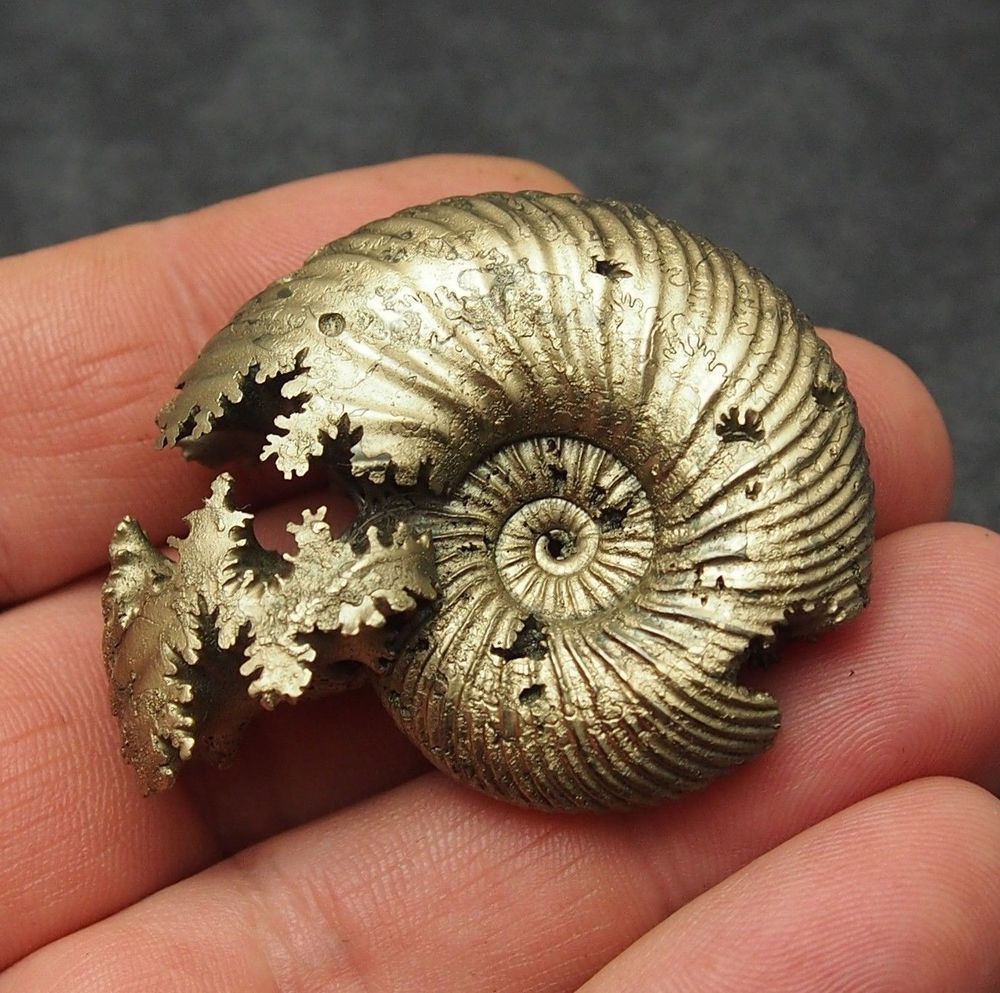
Pyritized Ammonite

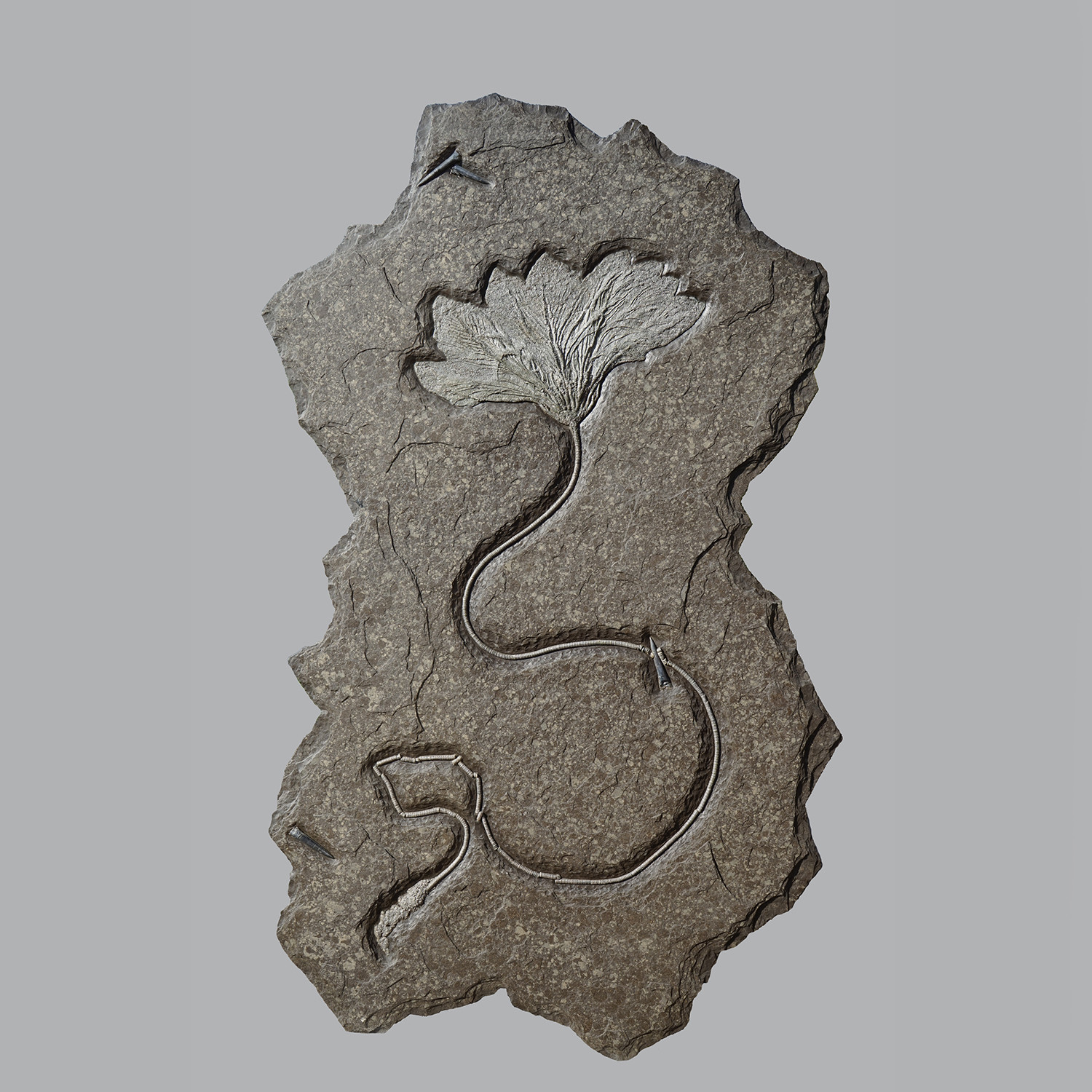
Jurassic Crinoid Fossil
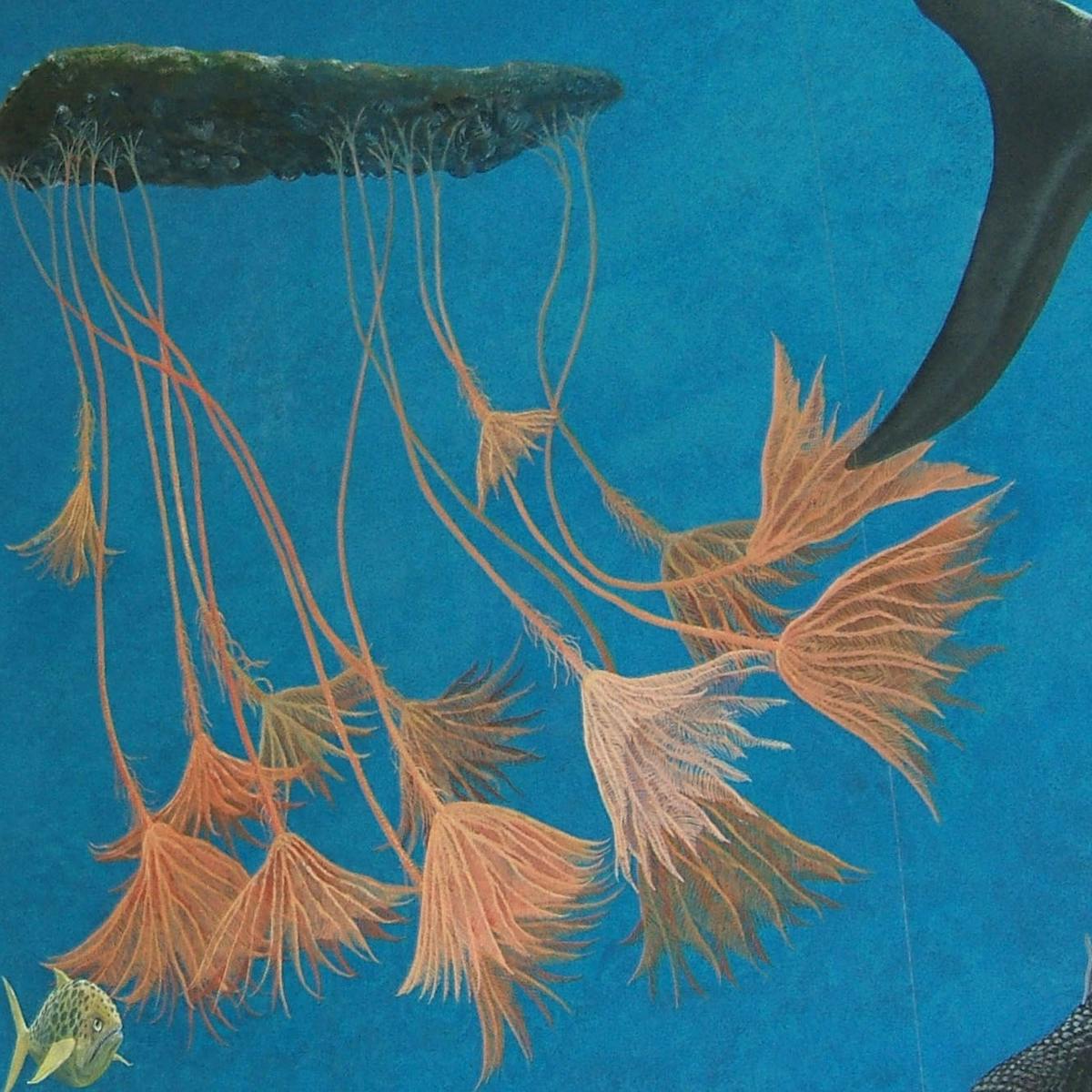
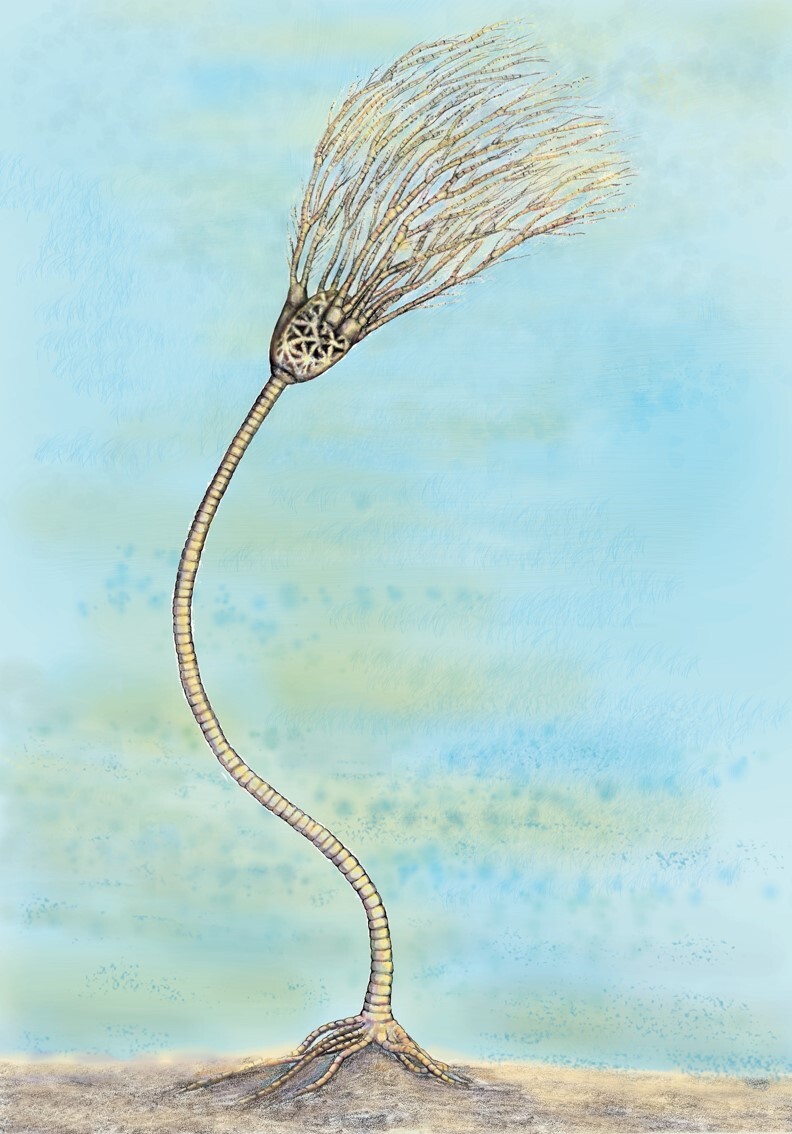
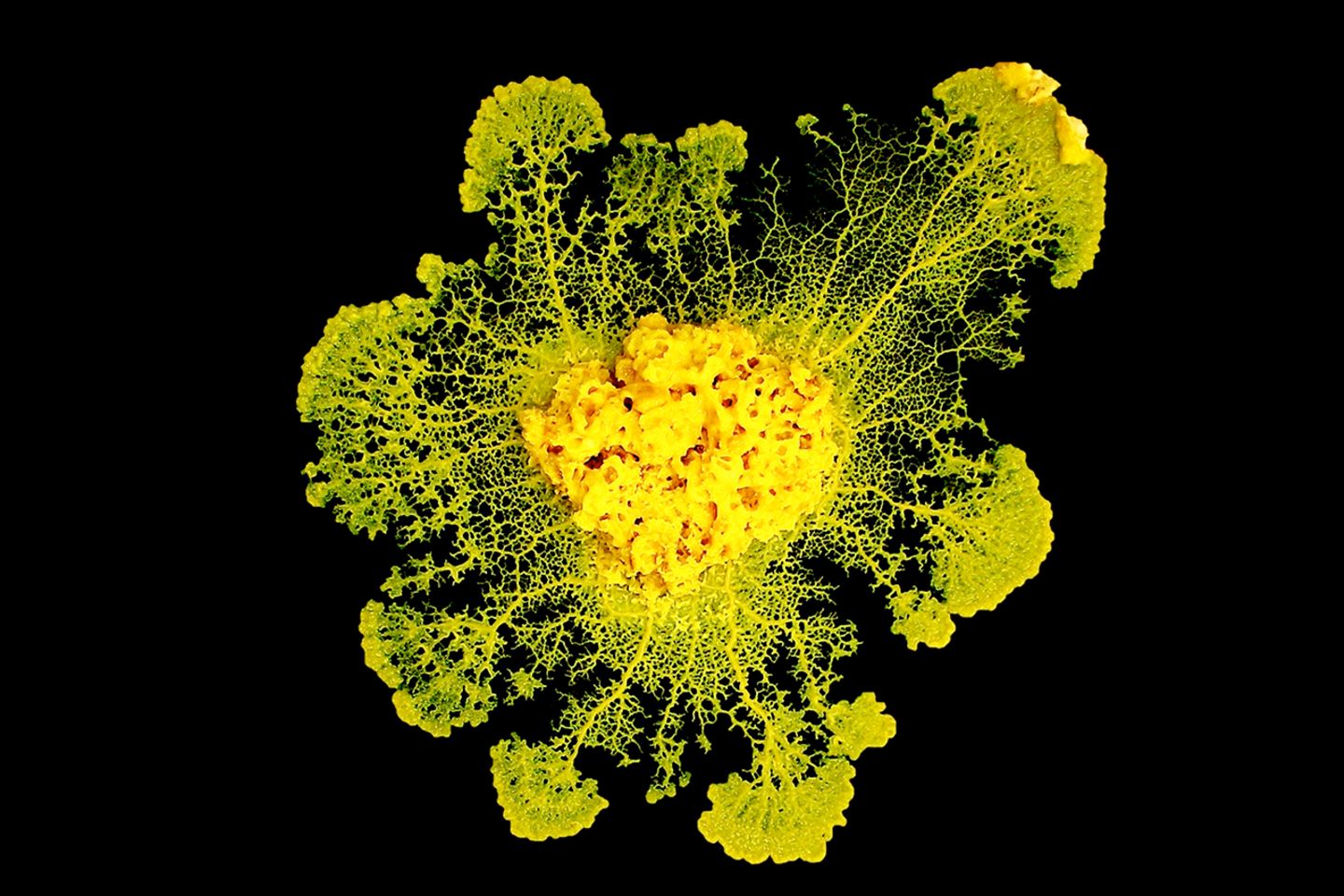
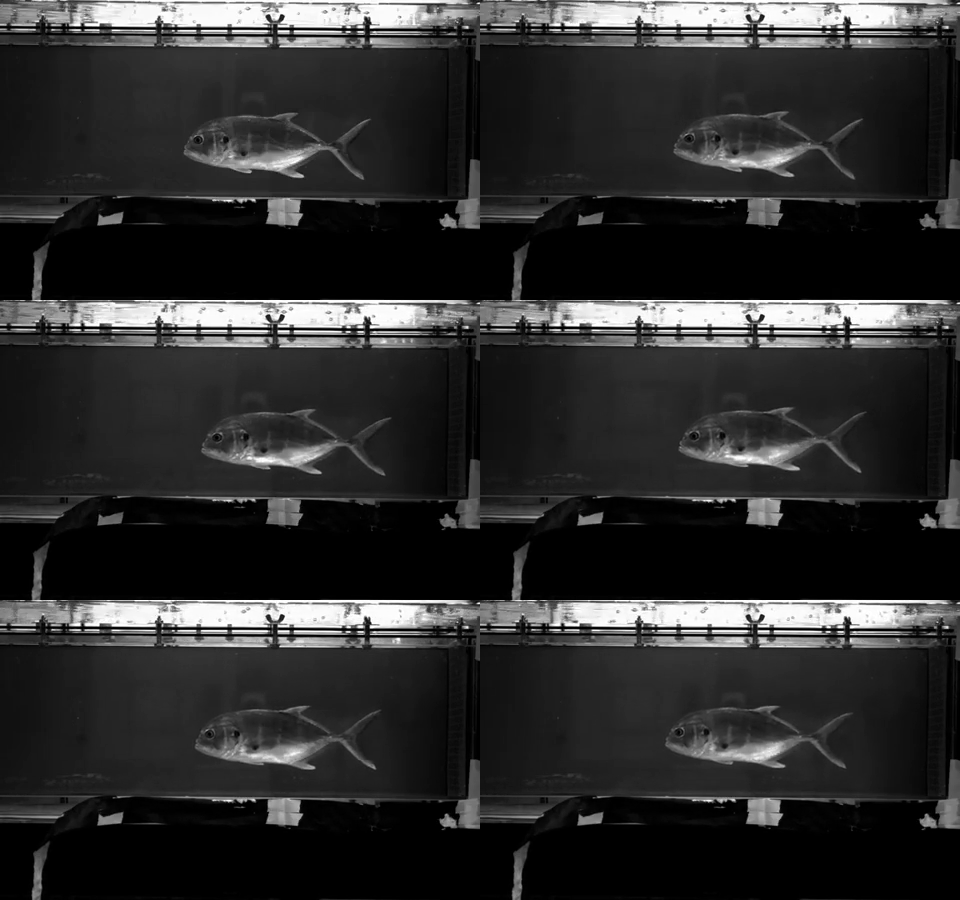
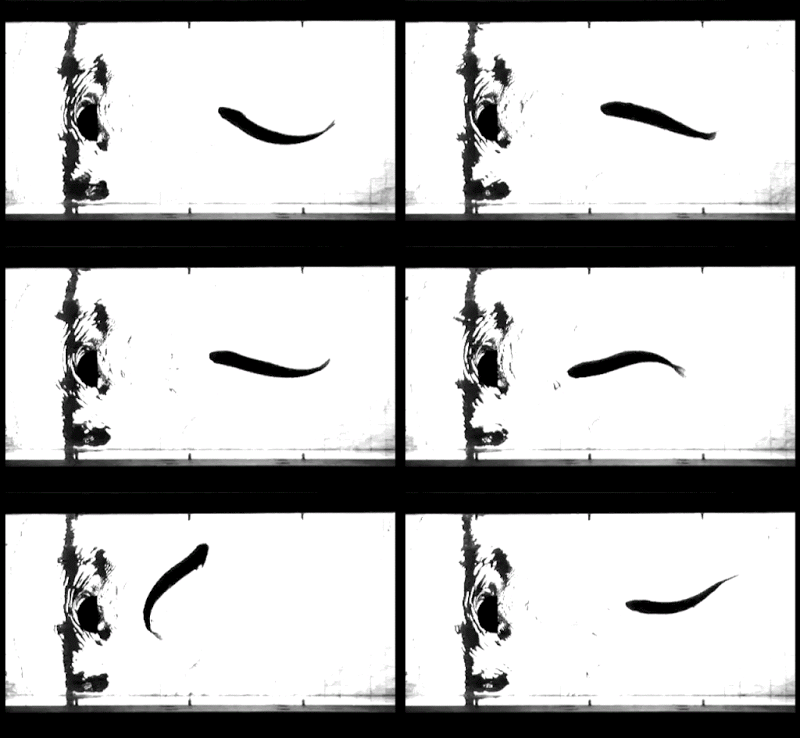

karman vortex
🐬
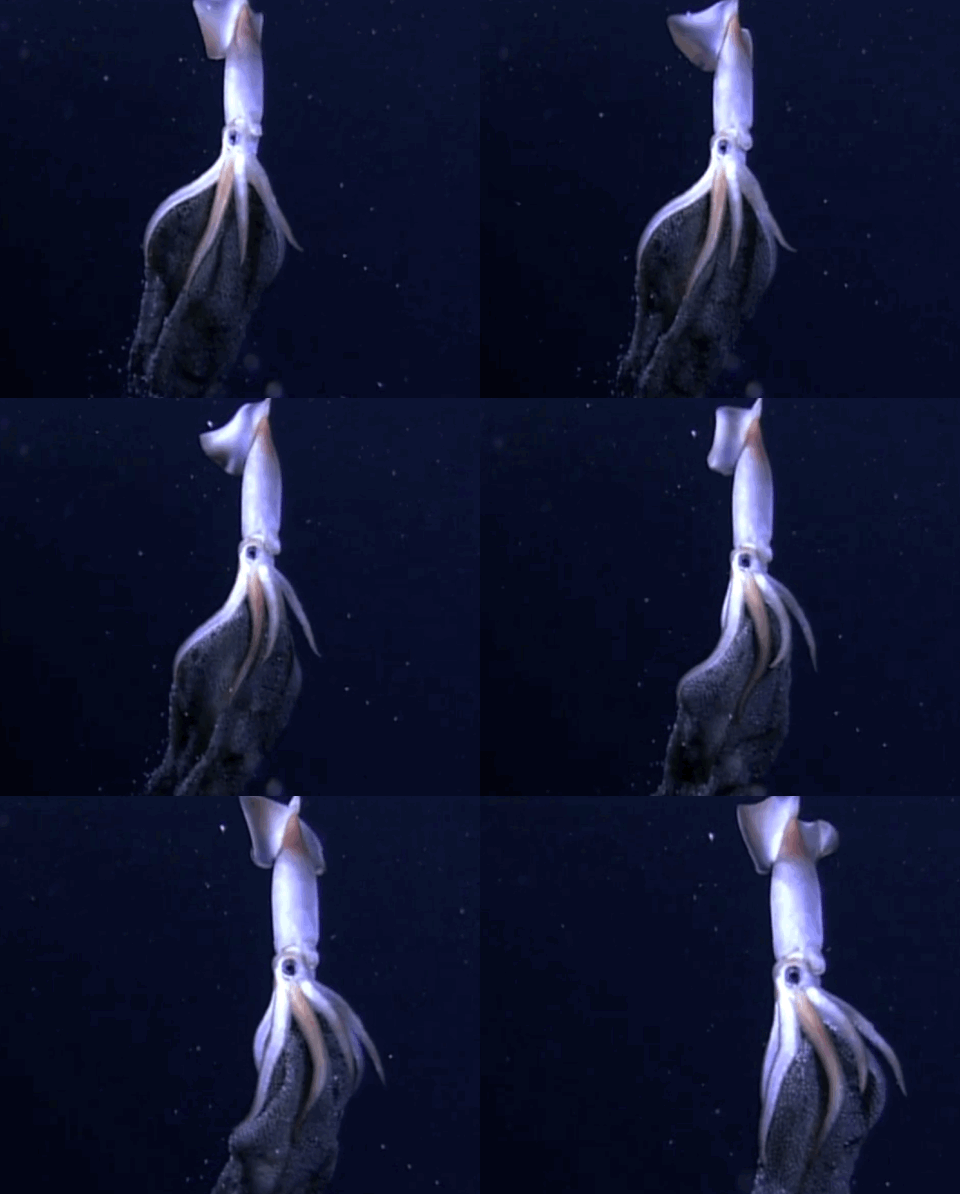
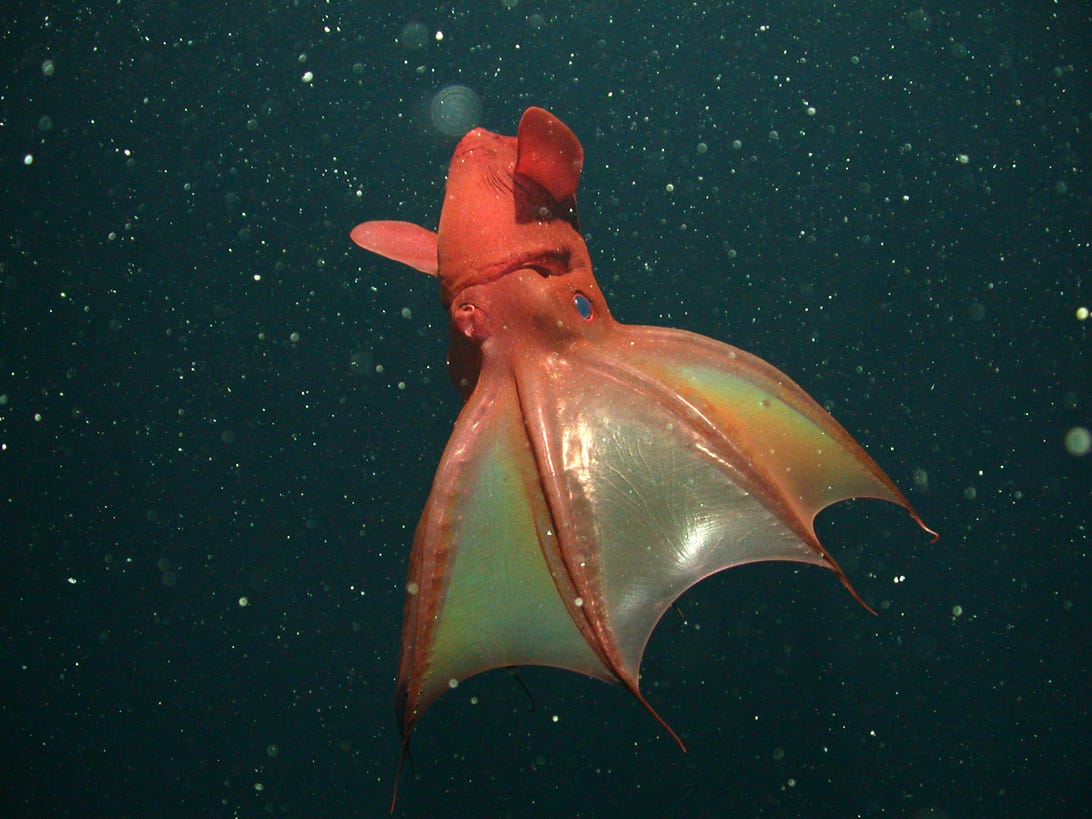


I suppose this is home then
"We fear plurality, diffusion, senseless accident, chaos, we want to transform what we cannot dominate or understand into something reassuring and familiar, into ordinary being, into history, art, religion, science."
𝓼𝓾𝓫 𝓼𝓹𝓮𝓬𝓲𝓮 𝓪𝓮𝓽𝓮𝓻𝓷𝓲𝓽𝓪𝓽𝓲𝓼
"The world is given me, i.e. my will enters into the world completely from outside as into something that is already there... That is why we have the feeling of being dependent on an alien will. However this may be, at any rate we are in a certain sense dependent, and what we are dependent on we can call God. In this sense God would simply be fate, or, what is the same thing: the world, which is independent of our will. I can make myself independent of fate. There are two god heads: the world and my independent I. I am either happy or unhappy, that is all. It can be said: good or evil do not exist."
"The Will to Live, and the world as we know and experience it as a causally determined construct of phenomena brought about by (us) subjects through our perceptions, that is objectified ideas of the Will. The Will to Live, to exist, takes care of continuation of species and general ordering of entities. At the human level it is manifest as the natural egoism of the individual, each for himself, resulting in a scene of perpetual misery and strife. The world of ideas (objectifications of the Will) is in itself neither good nor bad. The horrors of the human scene result from the selfish wills of individuals as manifestations of the Will to Live. Other individuals, animals, plants, and the whole of our perceived phenomena are also suffering under the sovereignty of the Will."
"The entire evolution of science would suggest that the best grammar for thinking about the world is that of change, not of permanence. Not of being, but of becoming."
"The word is not so much made of stones as of fleeting sounds, or of waves moving through the sea."
"A storm is not a thing, it's a collection of occurrences. A cloud above a mountain is not a thing, it is the condensation of humidity in the air that the wind blows over the mountain. A wave is not a thing, it is a movement of water, and the water that forms it is always different. A family is not a thing, it is a collection of relations, occurrences, feelings. And a human being?
Of course it's not a thing; like the cloud above the moun
tain, it's a complex process, where food, information,
light, words, and so on enter and exit. . . . A knot of
knots in a network of social relations, in a network of
chemical processes, in a network of emotions exchanged
with its own kind."
"We are the ones who determine a particular macroscopic description. The initial low entropy of the universe, and
hence the arrow of time, may be more down to us than
to the universe itself. This is the basic idea.
Think of one of the grandest and most obvious phenomena: the diurnal rotation of the skies. It is the most
immediate and magnificent characteristic of the uni
verse around us: it turns. But is this turning really a
characteristic of the universe? It is not. It took us thou
sands of years, but in the end we managed to understand
the revolving of the heavens: we understood that it is we
who turn, not the universe. The rotation of the heavens
is a perspective effect due to our particular way of mov
ing on Earth, rather than a mysterious property of the
dynamics of the universe.
Something similar might be true for time's arrow.
The low initial entropy of the universe might be due to
the particular way in which we-the physical system
that we are part of interact with it. We are attuned to a
very particular subset of aspects of the universe, and it is
this that is oriented in time."
@MCMIC13
Here are a few released songs, I got a lot more un released lmk if want to hear anything else.
You can email me at nnjeff.prod@gmail.com
Wet auto tune rap:
Pop-rnb:
Logic
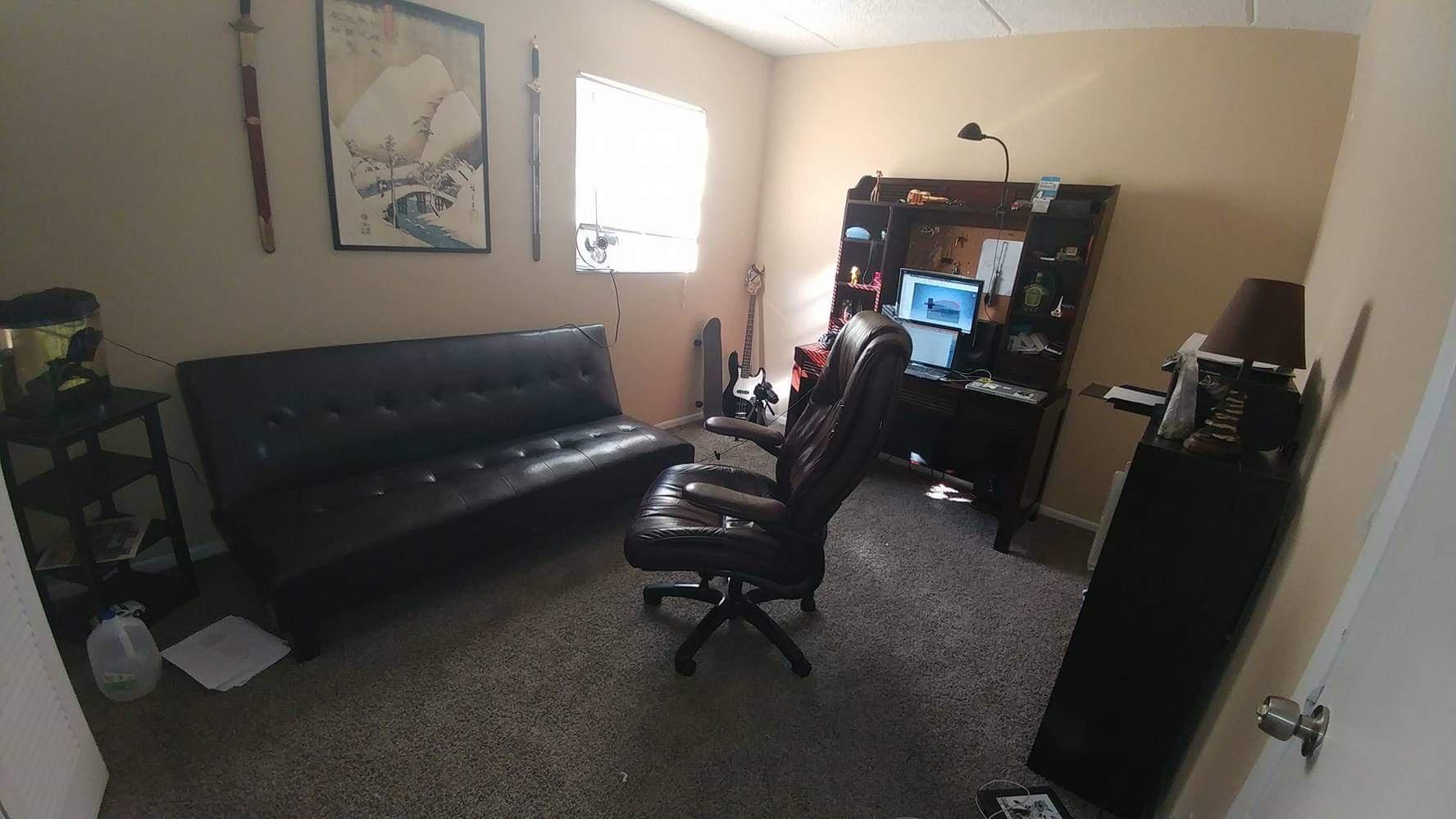
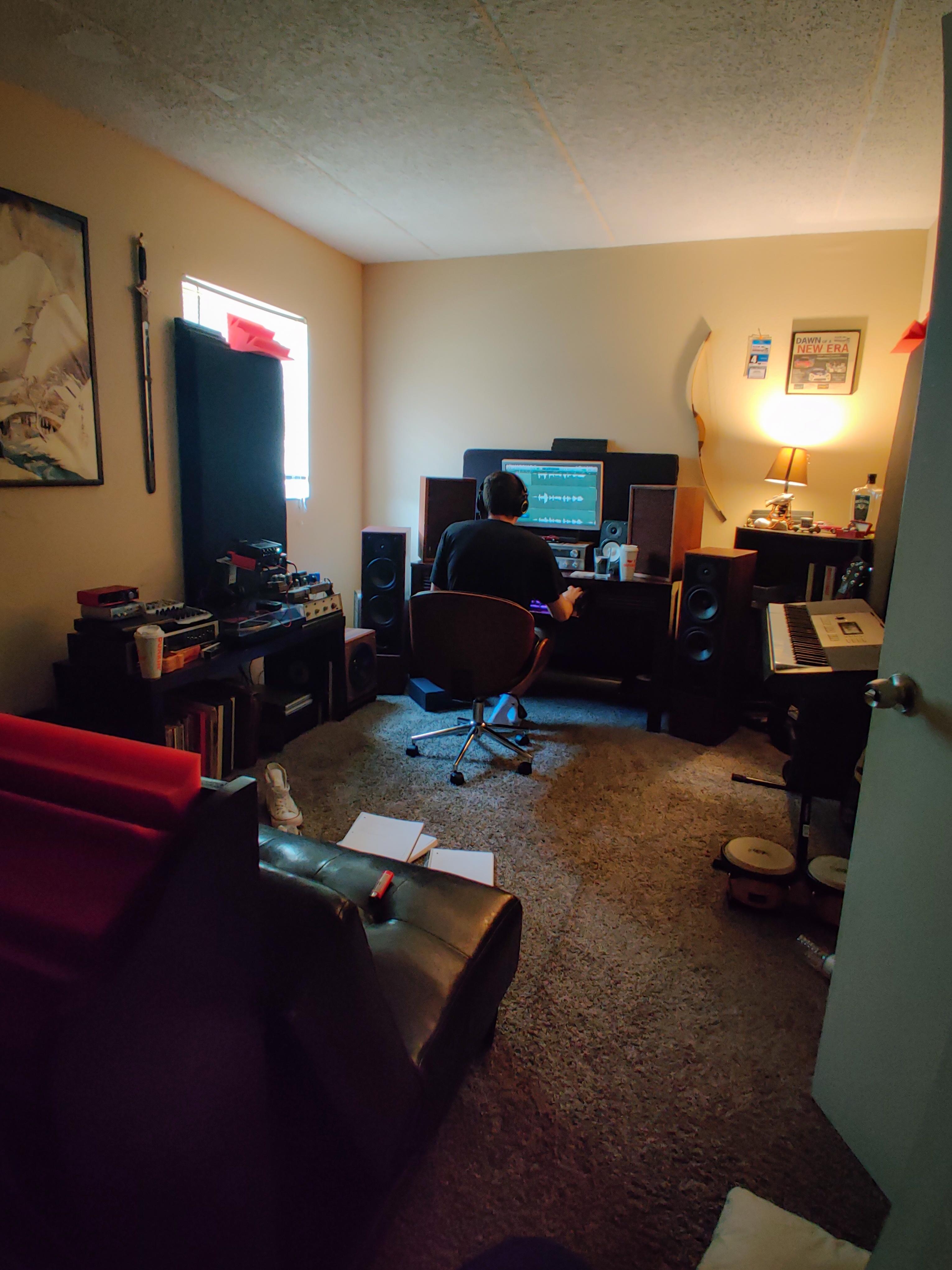
Evolution over 4 or so years


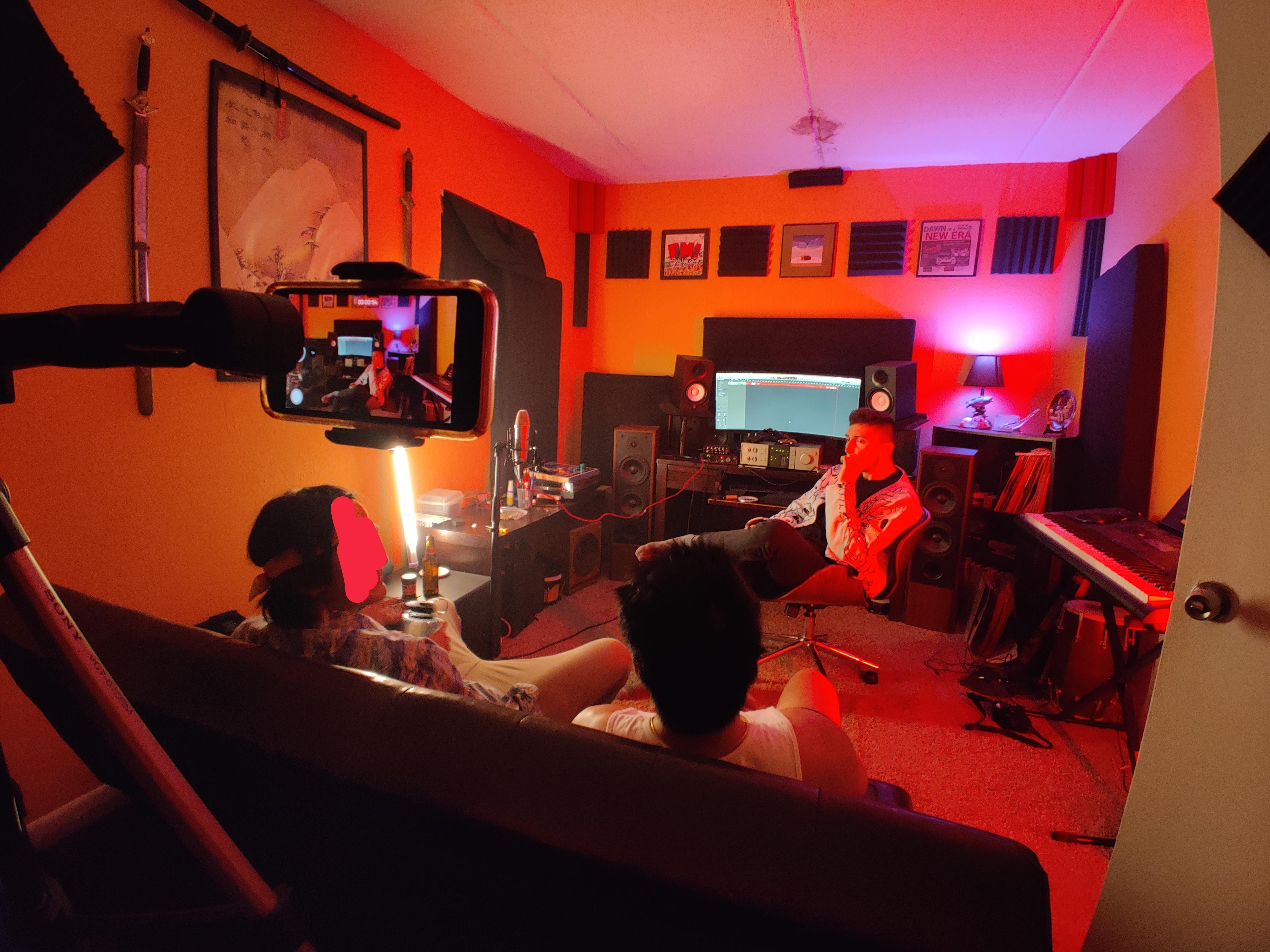
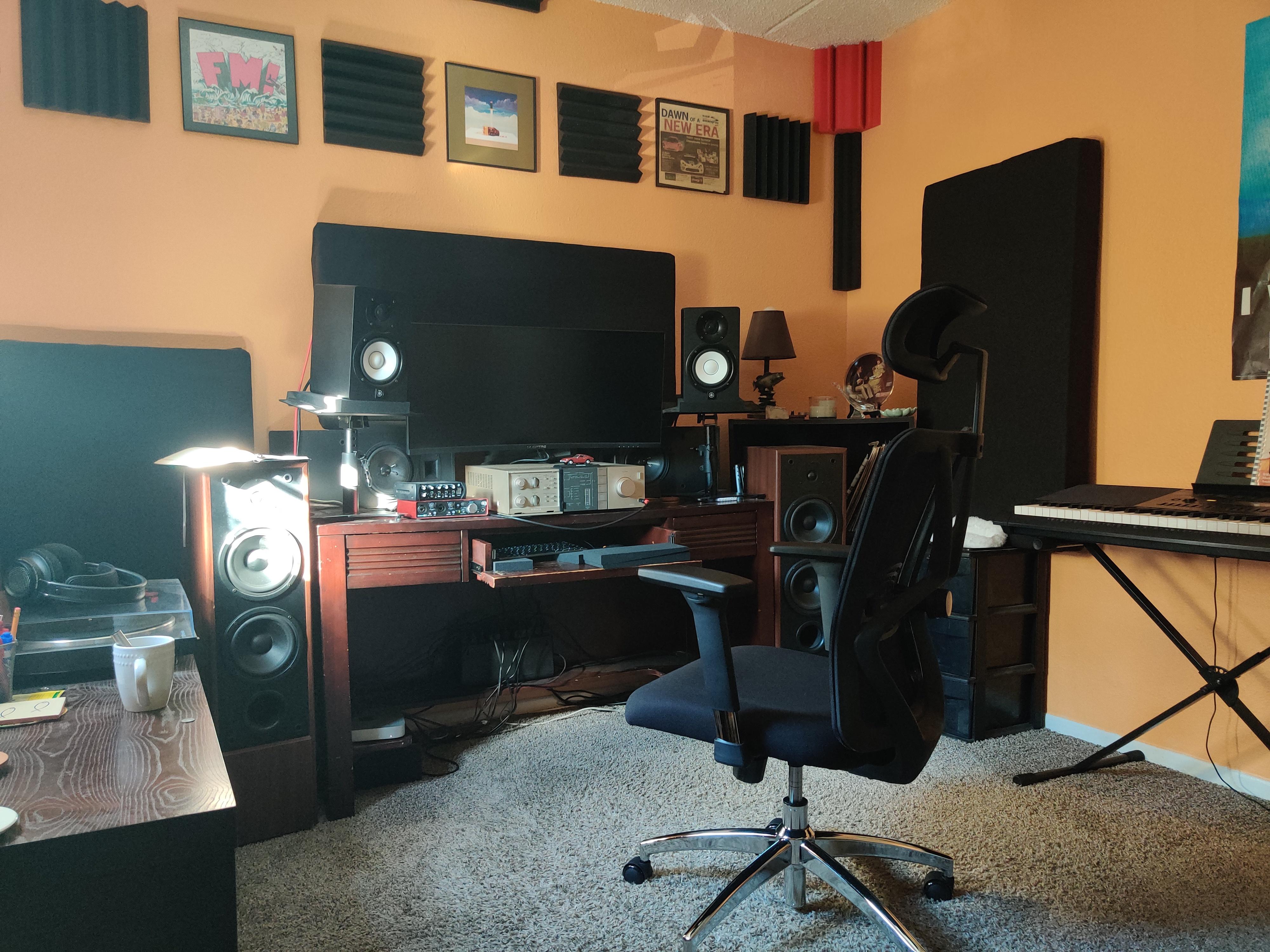
"Tryna find a balance, reachin' from my equilibrium
Fools I pity 'em, I'm not a human
I'm amphibian, fake superhero like the Mystery Men
I ain't saving nothin'
I'm gettin' faded 'til the angels comin', skippin' all the famous functions
How do the famous function? The A-list can't be trusted
I strong-arm 'em like I play the trumpet
The bottom barrel of society, I tell my bitch
If she don't love me then just lie to me, I'm finer than the winery
Take it from the rich, this is piracy (Piracy)
Finally, I don't even need my fucking eyes to see
Come and die with me"
Need someone to make / I need to find some aquatic wall art for above the monitor.
I'm thinking metal art.

Or maybe a mirror?
Idk I'll find something.
Very much so open to suggestions.
"The ability thus to see (or feel) depends on keeping close to the reality of the world, accepting the facts and following the stream of life. This is described as 'mystical'. Within the limits' of our 'finite nature' we are able to feel or intuit the world as a whole, though not as a totally comprehended whole. We are at peace with the world, as we are with a work of art."
Thank you for tuning in!
Mr.BeefyBody
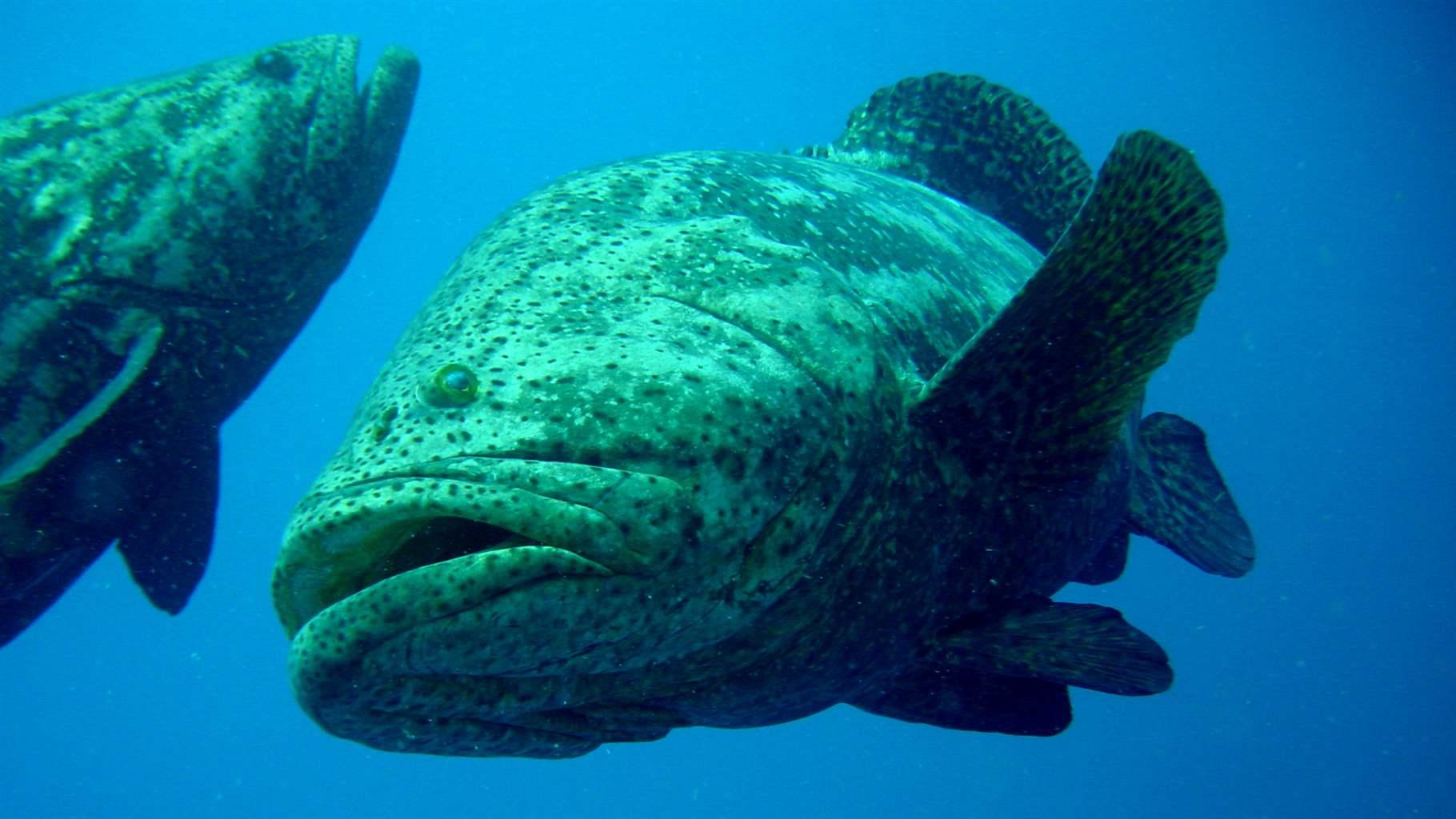
Probably depends on the fish
Understandable
Hey I know them
I think thats the one who keeps stealing my spoons
Balancing biological imperatives and spiritual enlightenment
Thoughts on free will and intuition
External will is the material world that confides us. The relationship between external and internal will is that where there is a degree of determinism, it is not a linear entity.
As nanoparticles do not exist in a "set" progression based on human perception neither does human will, the quantum nature of human existence is or can naively be reduced down to the capacity for the individual to exert internal will, which I believe to changes the whole (external will).
The alternative being that there is no free-will and all beliefs are deterministic. Happy-sad are not a choice. This case would reduce everything down to external will. To some end this may be the case as it can be argued there is no true "free-will".
There must be some correlation between will, intuition, and lucidity.
Higher levels of "lucidity" lead to higher levels of "intuition", leading to higher levels of "will", leading an individual to have a the propensity to have a larger effect on the external whole, deterministic or not.
Lucidity -> intuition -> will -> impact
Lucidity: the ability to "control" or have some form of agency over thoughts. The ability to ascribe "purpose" to thoughts.
Intuition: the thoughts that arise when in a lucid state
Will: the ability to act on intuition
The highest earthly "possession" is not of the material. It is the ability to be lucid. Clear headed understanding of ones thoughts enable an individual to have access to more pieces of the "external whole", with a higher fidelity. To see things "as they are" rather than what they are.
I'm sure there is a lot of fallacy in there, but some thoughts
Wrote that a whole ago, just never typed it out
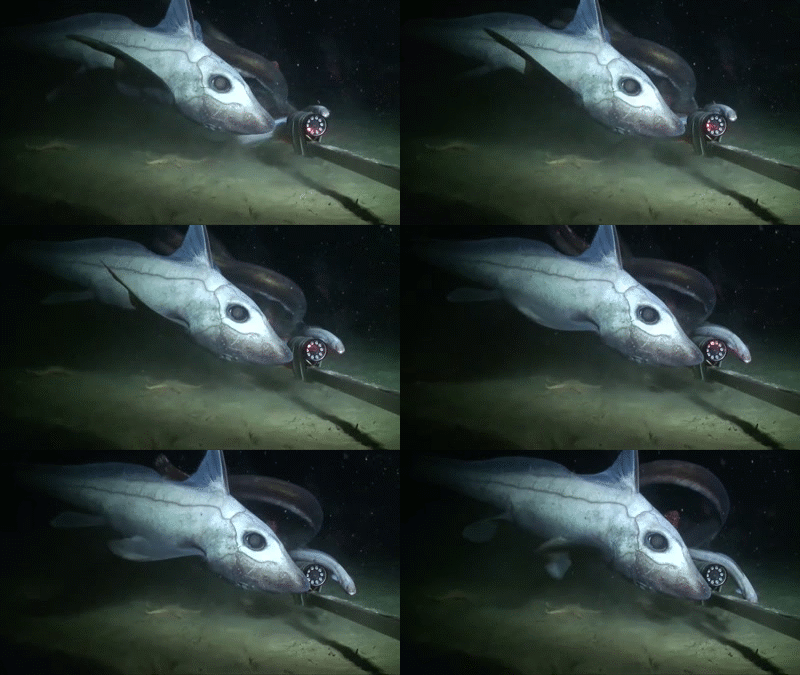

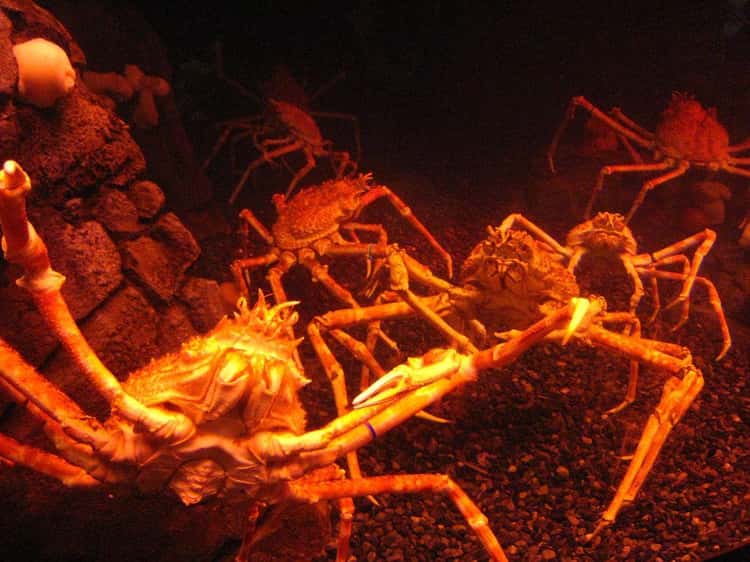
🐸
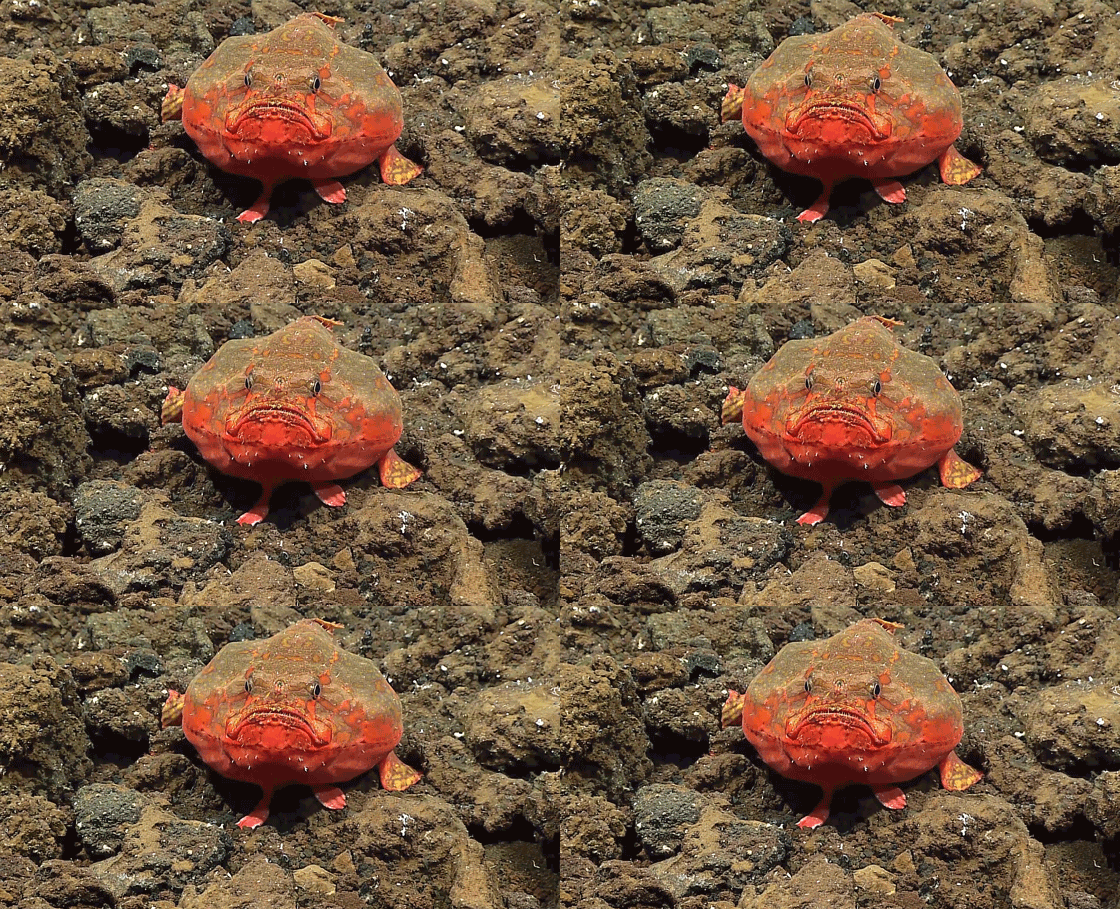
"The sublime is the proud energetic fear with which the rational being faces the contingent dreadfulness of the world. The beautiful is the experience of a formal completeness in a purposeless conceptless object. The sublime is a special exercise of reason, a kind of moral adventure. The beautiful is a free play of the imagination in a frolic with the understanding, working sensuously upon an empty notion of an object' offered by the latter. The concepts are dissimilar; the sublime is moral, the beautiful is aesthetic. We cannot separate tragic experience from our general sense of humanity. Kant elevates the noble sublime above the playful beautiful. Tragedy then would be a (unique) moralising or redeeming of the beautiful. Only within a high morality can the spectacle of terrible human suffering become a thing of beauty."
A paradox of all art:
"if you are not deeply personally engaged the work will be trivial, if you are it may be half blind."
"A prime difficulty in human life: we must have stories (art forms), but stories (art forms) are almost always a bit or very false. As a Dostoevsky character remarks, we have to mix a little falsehood into truth to make it plausible. The true story may not even look like a story because it will inhibit the automatic movement of egoism, with its imposition of a pleasing innocuous form. We want to control the tale ourselves and give it our ending (which need not of course be in the ordinary sense a happy one). We want to make a move to a conclusion, our conclusion. Part of this process, to return to Freud, may involve those secret personal fantasies whose details might seem repulsive or childish. The essential ars poetica lies in the technique of overcoming the feeling of repulsion in us which is undoubtedly connected with the barriers that arise between our single ego and the others."
What is the end?
That's me
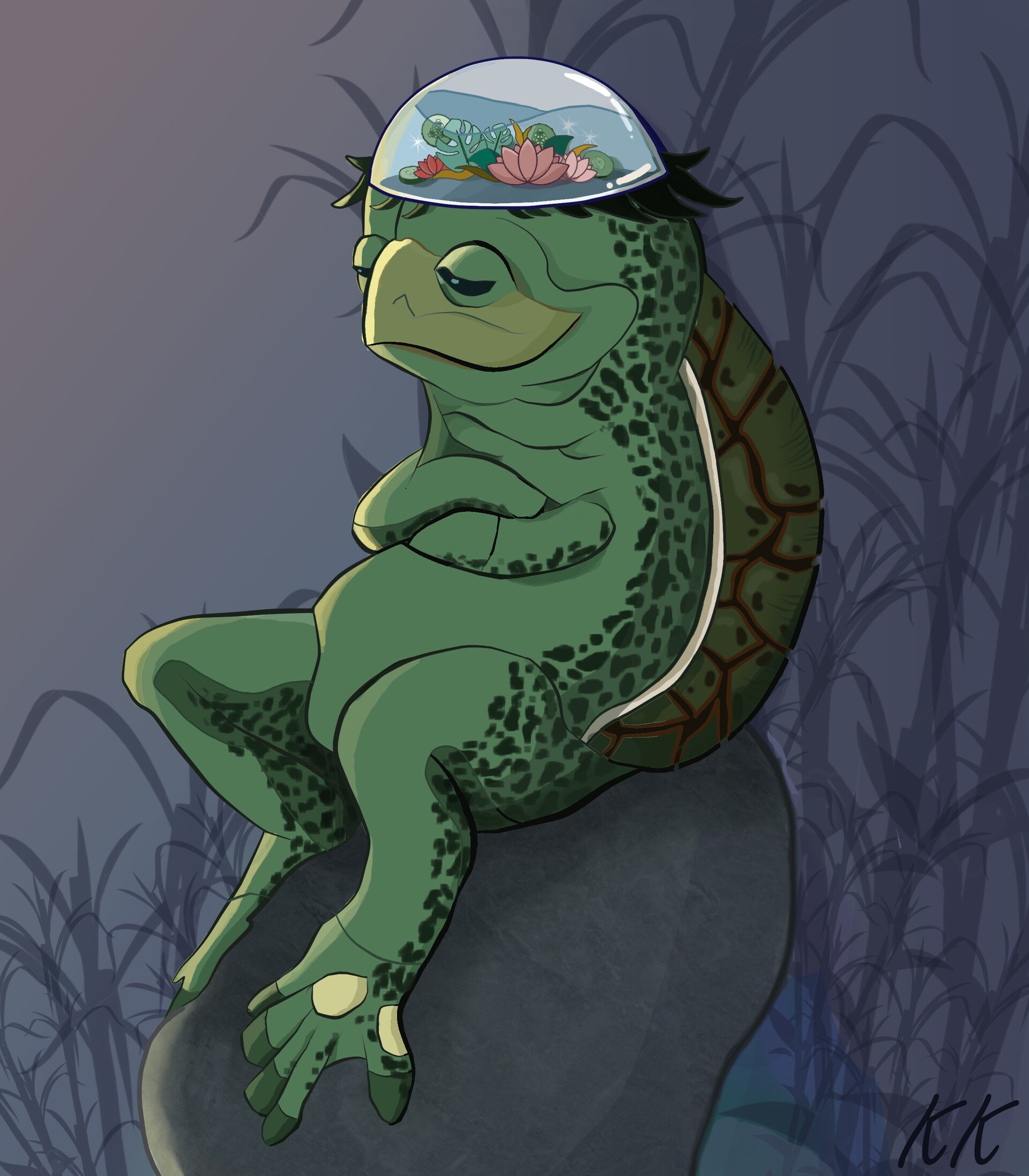
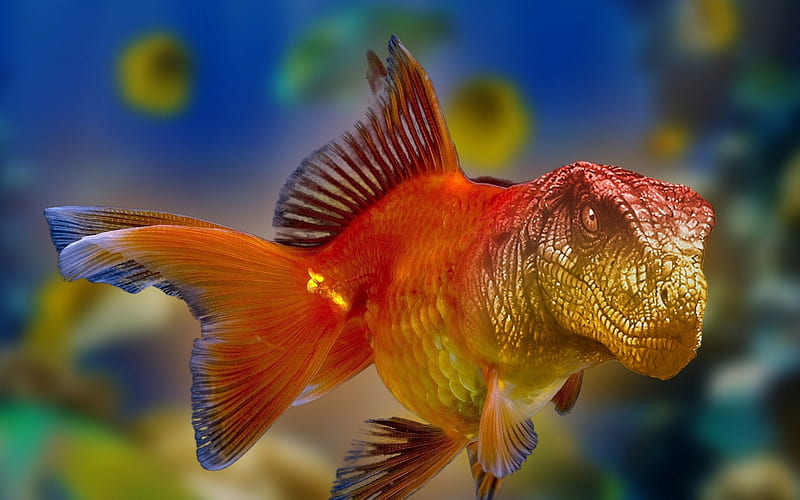


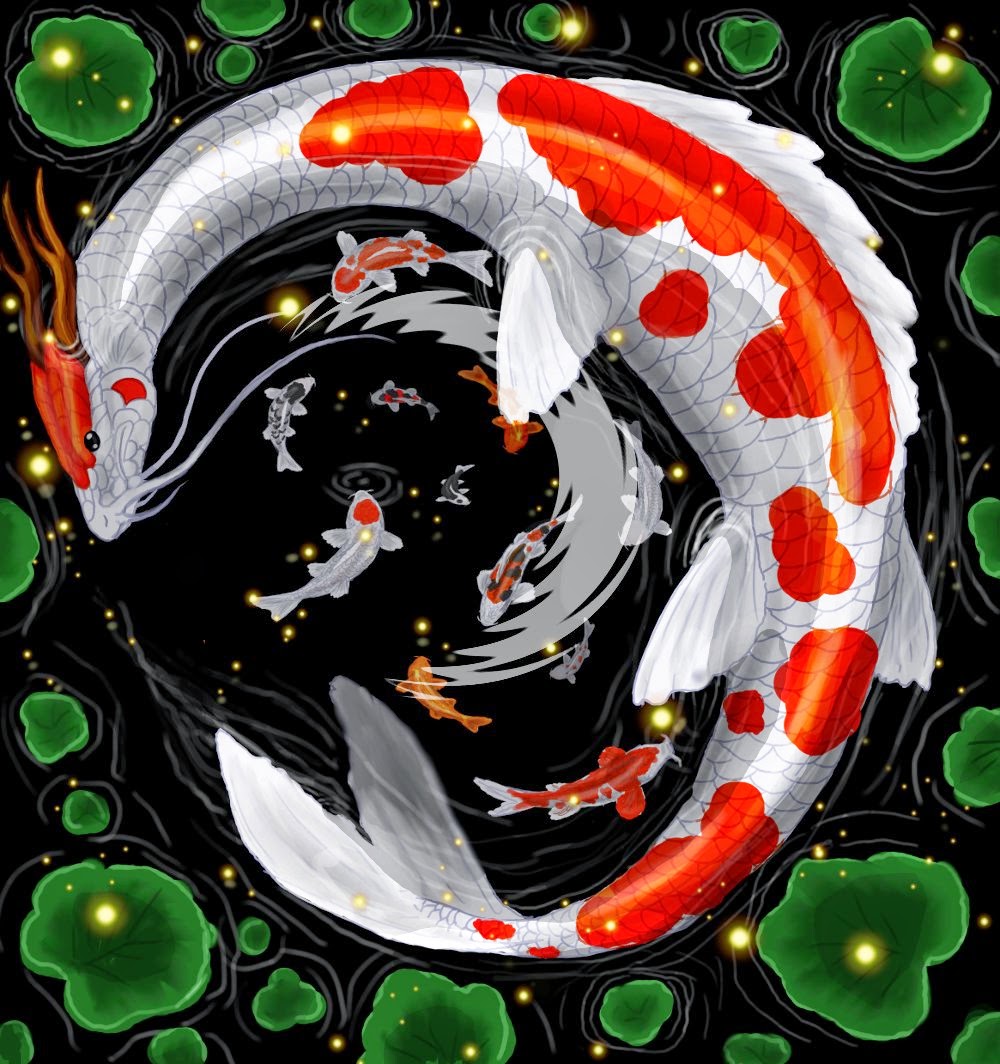
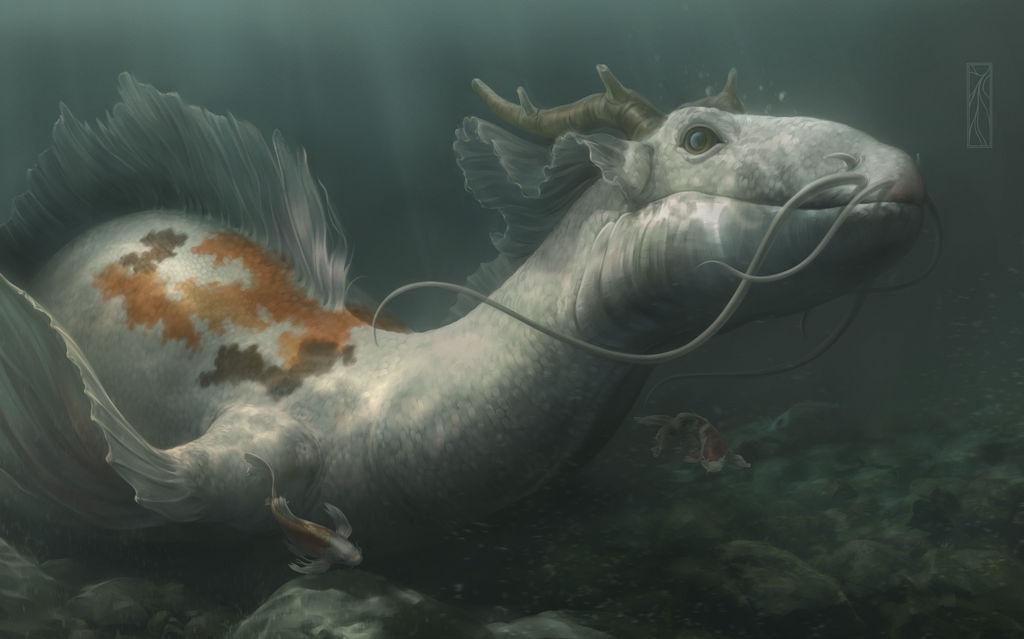

Thank you for the contribution, I need to start adding sources to mine

Wassily Kandinsky: Yellow-Red-Blue

Marianne North: Distant View of Mount Fujiyama, Japan, and Wistaria
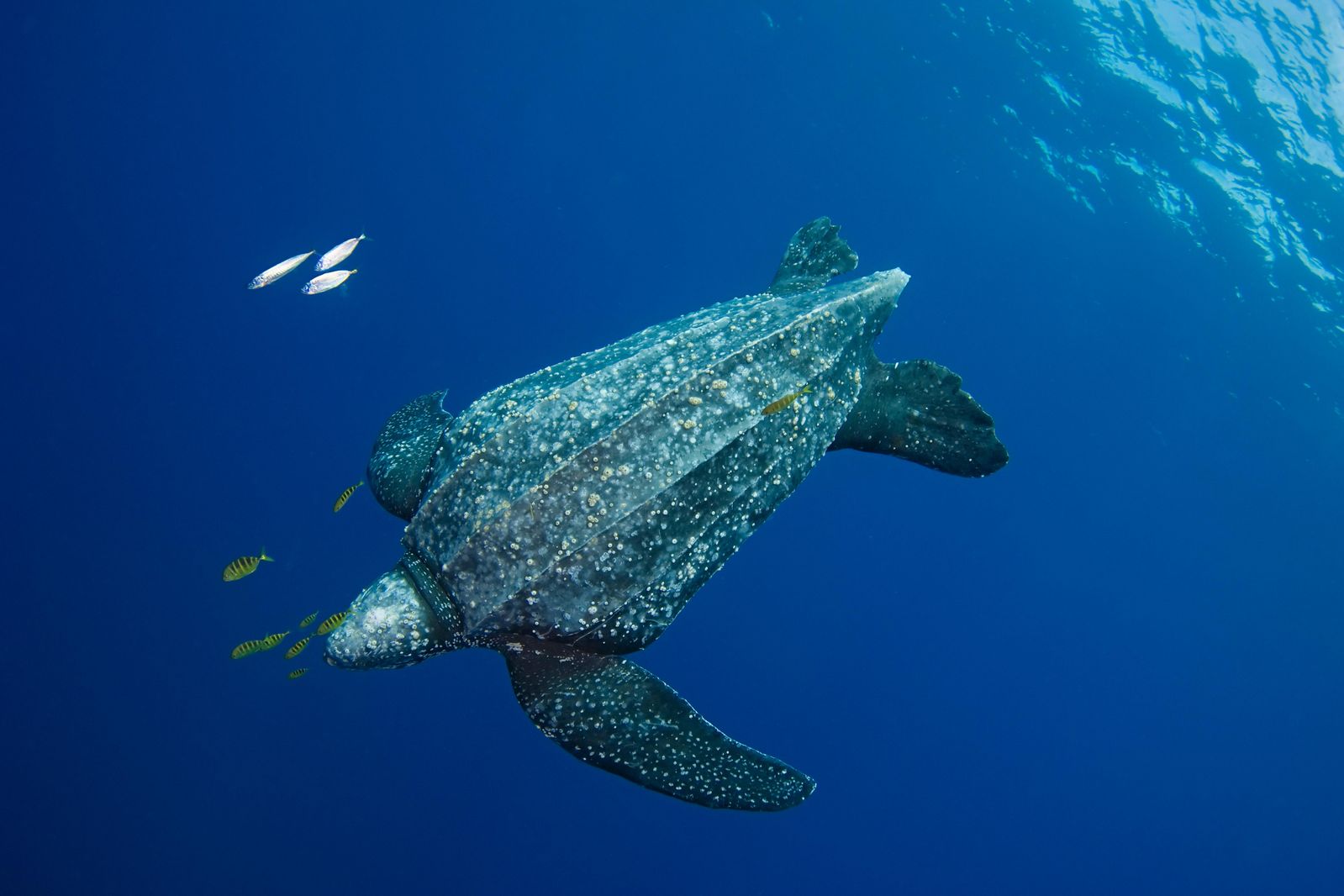
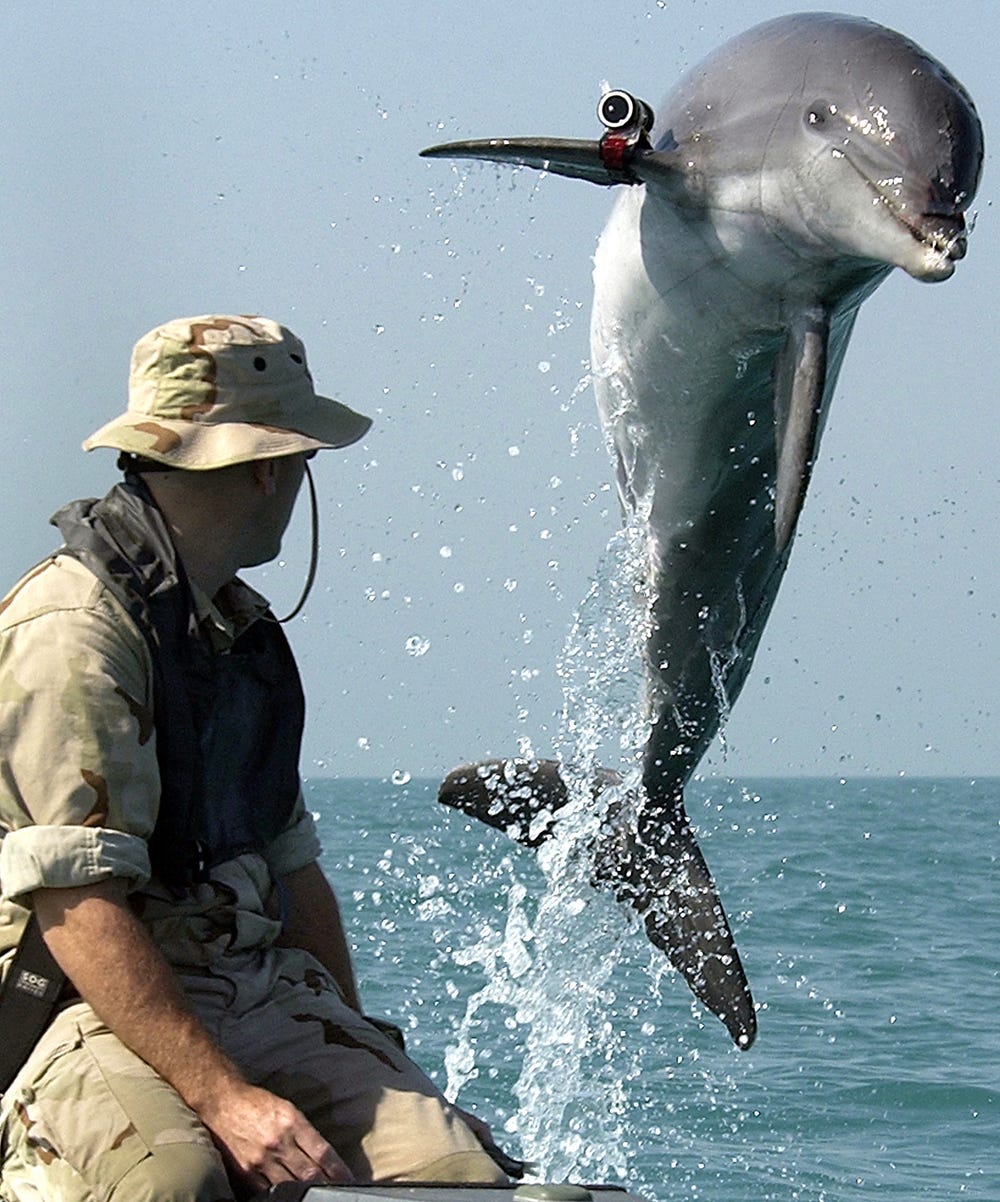
https://www.businessinsider.com/the-us-navys-combat-dolphins-are-serious-military-assets-2015-3?amp
There is me, and then there is me.
We are the same, yet, worlds apart.
🐢



Thank you,
Lovely post


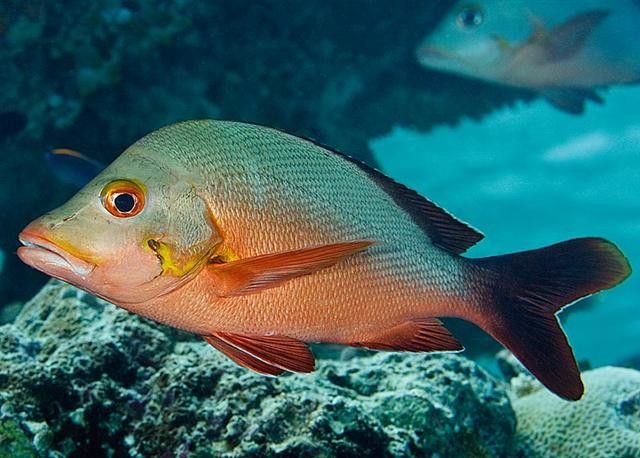
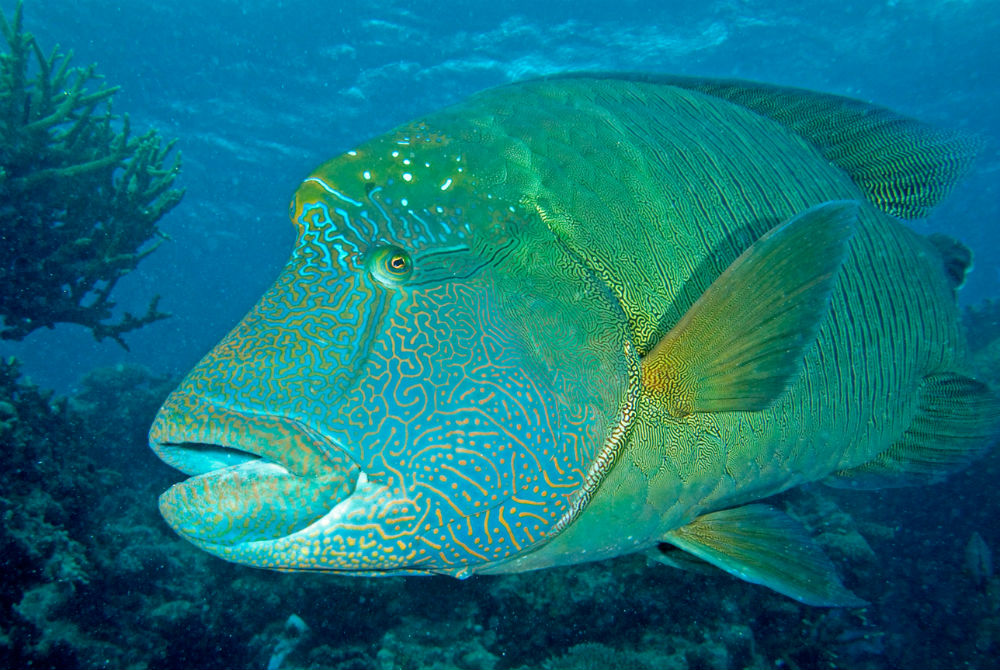
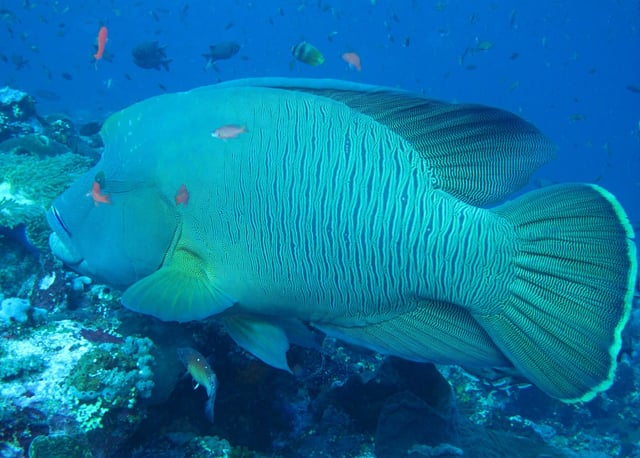
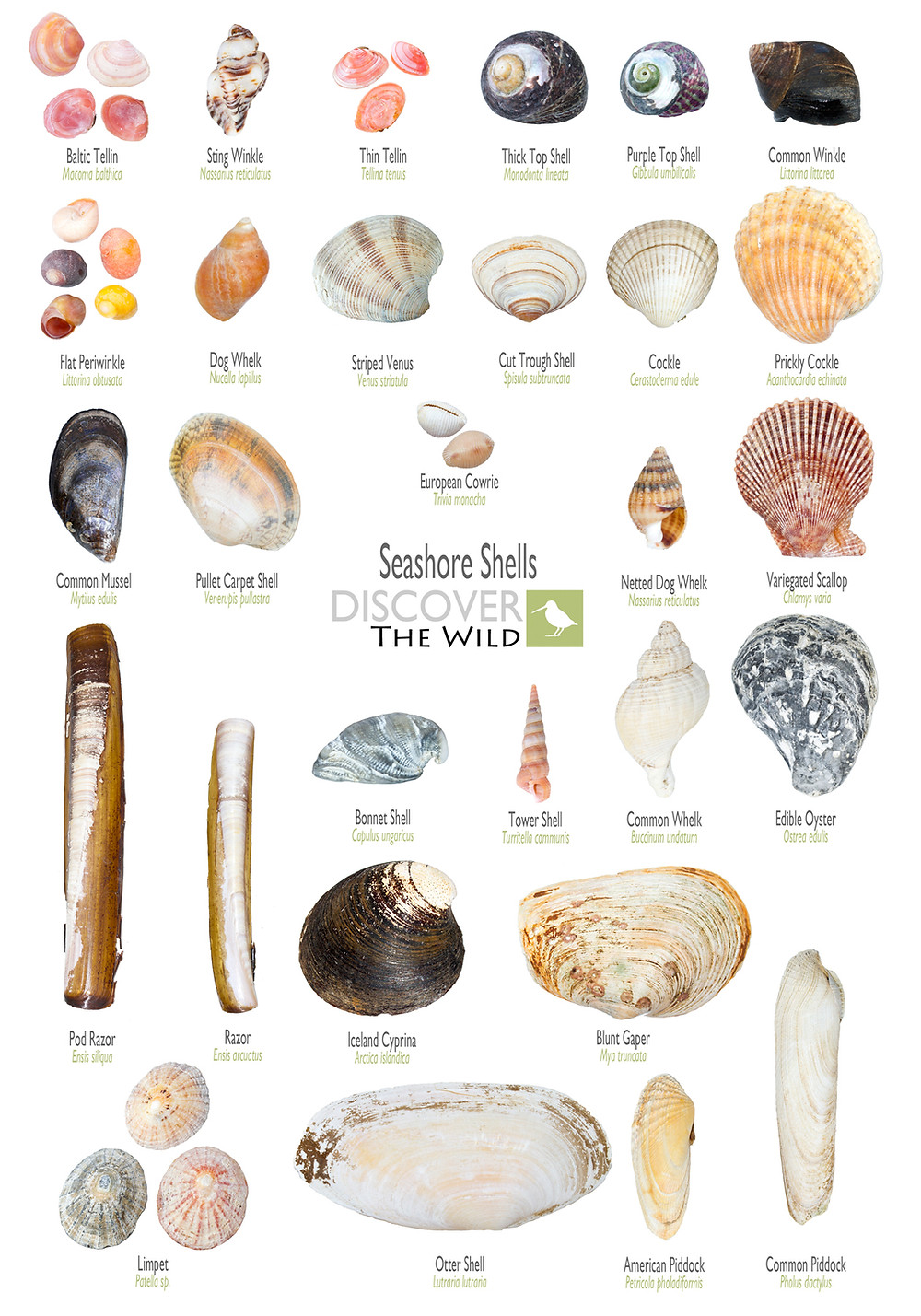
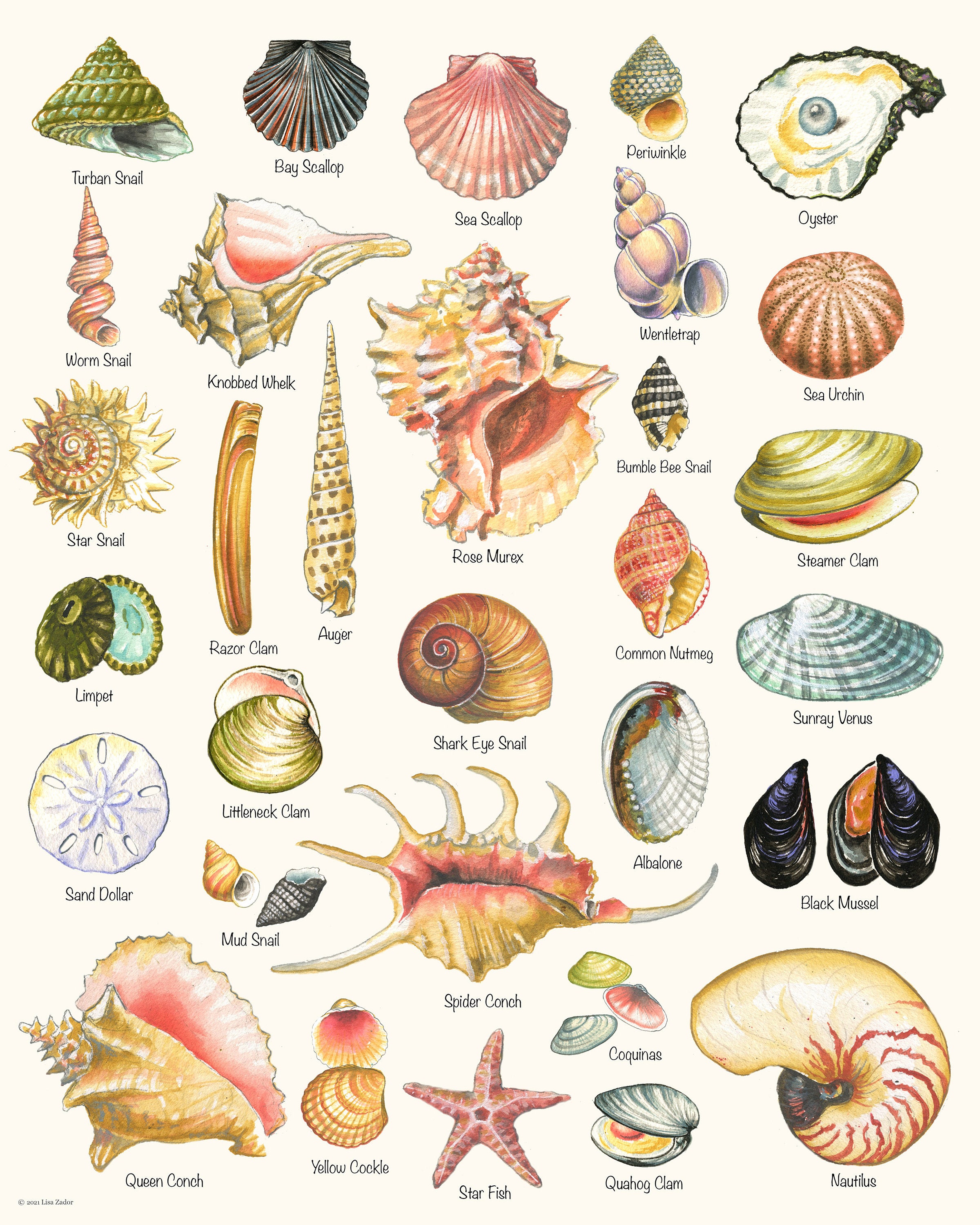
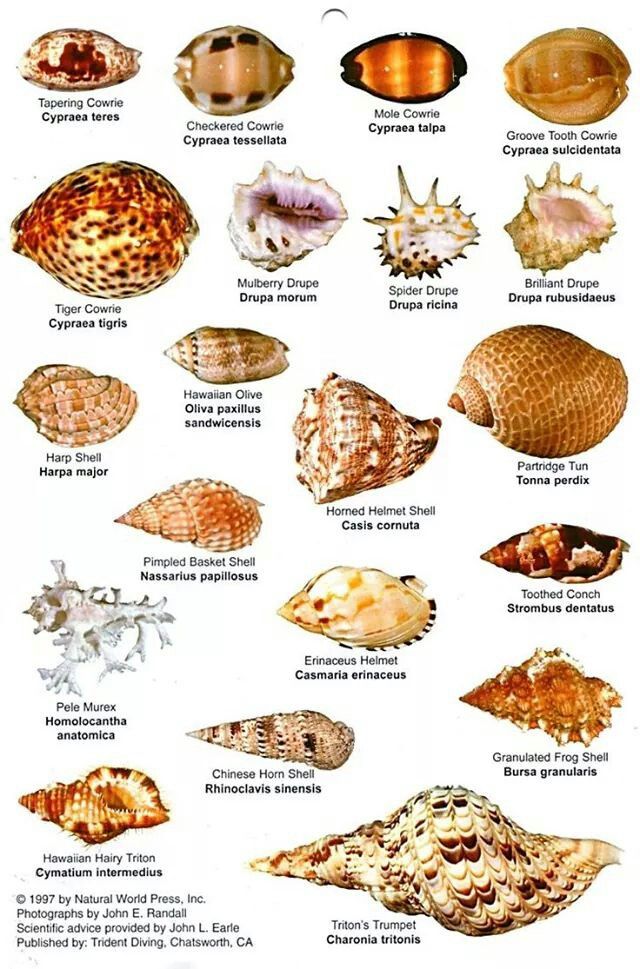
"The object both requires and guarantees the subject"
"Thinking is not a mental composition repeated aloud verbatim, spoken words do not have to have mental equivalents, recognition and remembrance do not depend on comparison with inner pictures, words are not names of things, there is no God-named reality lying under the net of some single correct meaning-bearing language."
- Iris Murdoch, Metaphysics as a Guide to Morals


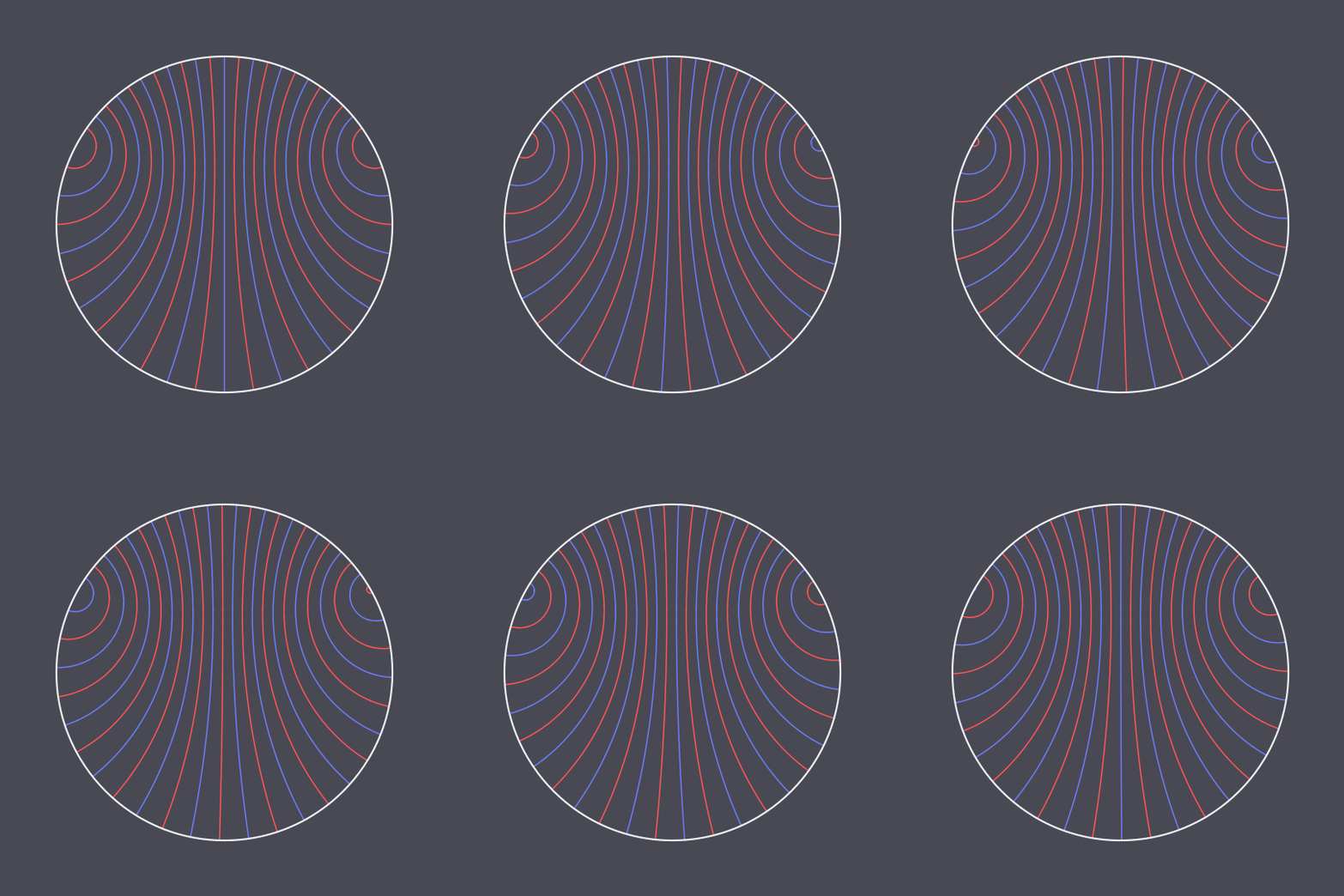
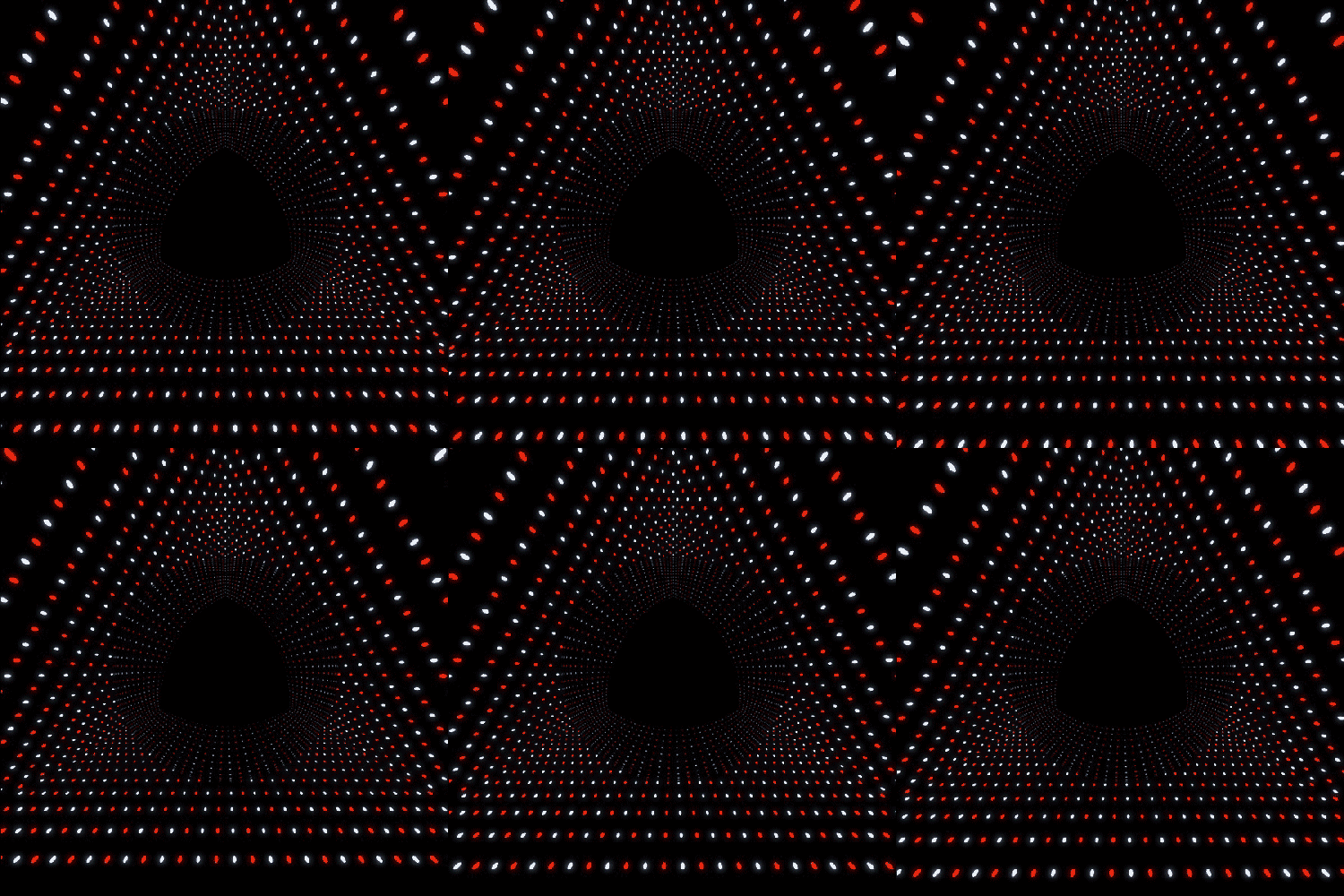
"Subjects begin to see different objects; they have a deeper and wider and wiser understanding of the world. The pilgrim will not only produce a better series of acts, he will have (down to last details) a better series of mental states. He can literally see better, see people's faces and leaves on trees, he will more rapidly and easily expel an unworthy thought or improper image. Herein the concepts of knowledge, truth, justice and moral passion are internally bound together. Knowledge informs the moral quality of the world, the selfish self-interestedly casual or callous man sees a different world from that which the careful scrupulous benevolent just man sees; and the largely explicable ambiguity of the word 'see' here conveys the essence of the concept of the moral."
- Iris Murdoch, Metaphysics as a Guide to Morals
"Any artist, or thinker, or craftsman knows of crucial moments when an aggregate of reflection and skill must now be pressed a little harder so as to achieve some significantly better result. If that now is missed, passed over in vagueness and lassitude, the collected power is dissipated and the result is less good, as the thinker moves in a relaxed or lazy manner from it's too soon to try to 'it's too late to try this stuff is finished anyway'. This is a place for the notion of an effort of will."
- Iris Murdoch, Metaphysics as a Guide to Morals


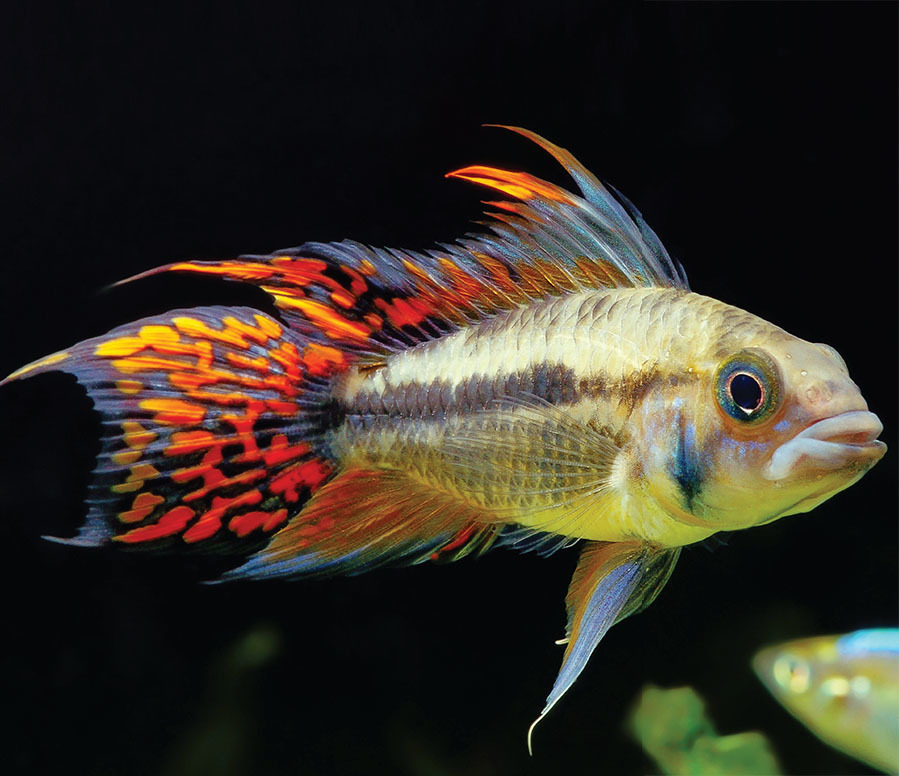
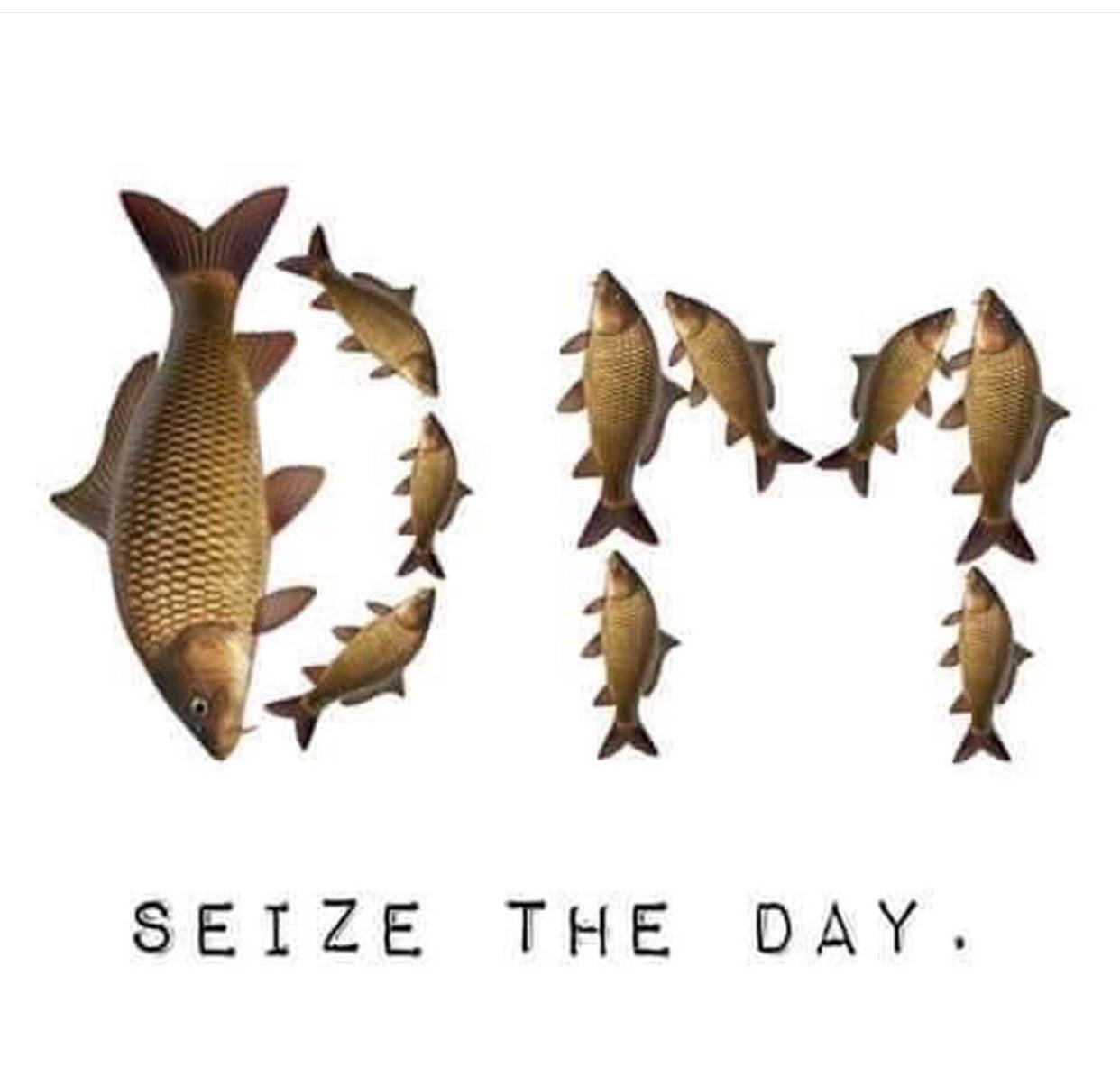
fish fish fish
"Communication is, after all, not what language is, but (a part of) what it does. Countless problems have arisen from a failure to distinguish between language and the use of language. Before language can be used communicatively, it has to establish what there is to communicate about."

Are attempts of "virtue" stagnating.
Probably.
I guess it would go. "Virtue" is something that stagnates the individual at the benefit of the whole. But I feel as if at times to benefit the whole stagnates the quality of the individual.
So is it worth it? Is it better to be completely self serving? Does that lead to a better instances of individuals in the whole? In terms of life quality. Is it better to fuel lasting societies or is it better to fuel more volatile and fragmented secs if they have better "life fullfillment".
Have our values been misplaced? Or is any instance of value just a reach. ...
Values are a confluence of the needs at any given point in time, which is a confluence of both "natural/abiotic" pressures and the pressures we present to ourselves. There is no right value system. There are value systems that are harmful but they ultimately are always just doing what is "best" for what they value. You can't tell anyone there values are wrong. But you can disagree. In that disagreement the "better" value system I suppose is what I don't have an answer to.
Is it what allows the most people to survive? Or is it what allows those who survive to have the best living standards? Is it a right of life to suffer? To promote and propagate it. Is it all just suffering with different degrees of blindness. Is there a place in this material world in which people really have better metaphysical living standards...
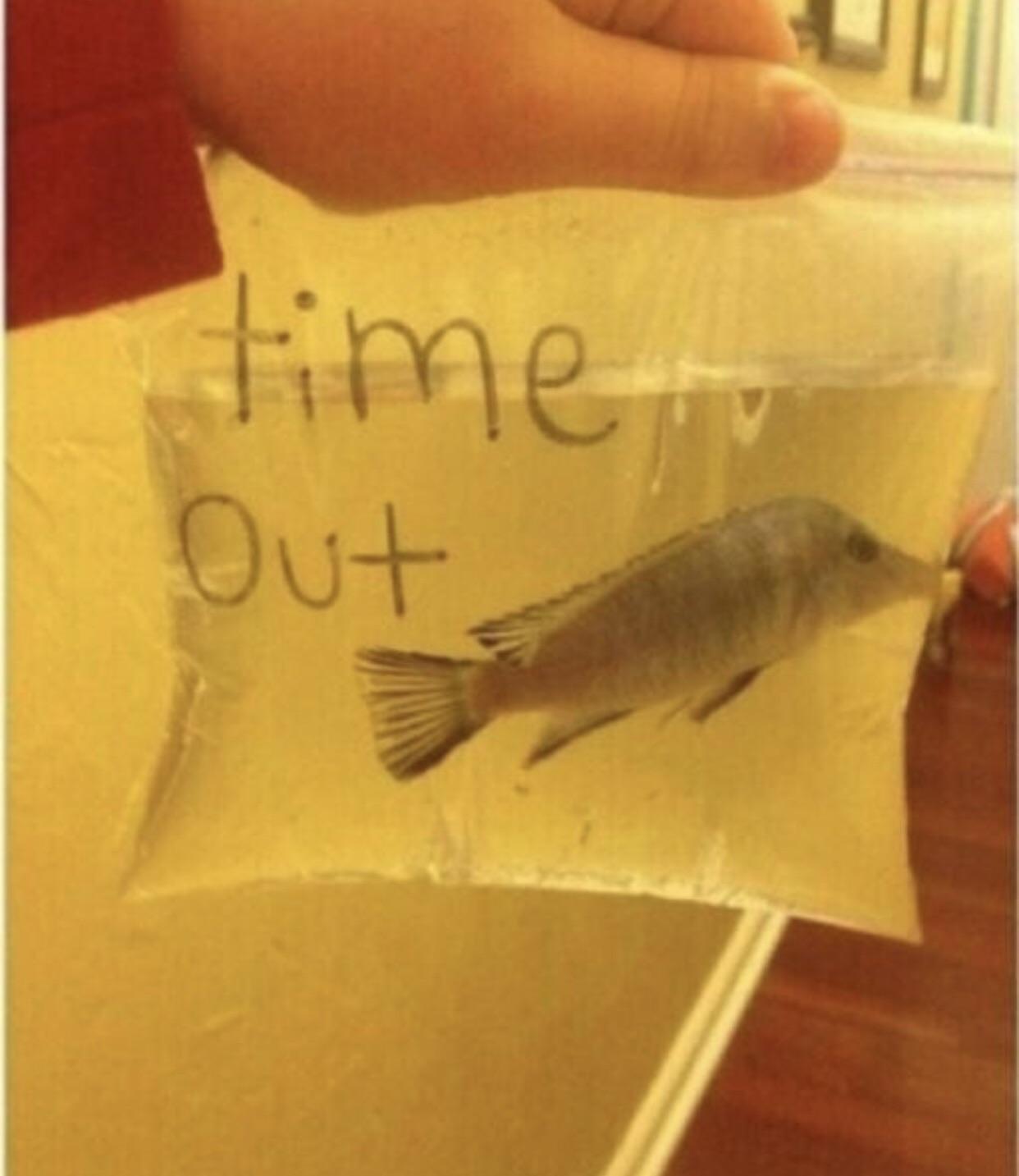
Glub glub glub I'm a fish in a tub and I don't know what to do
🐟🐠🐟🐠🐟🐠
Thank you
How granular does thought get?
I
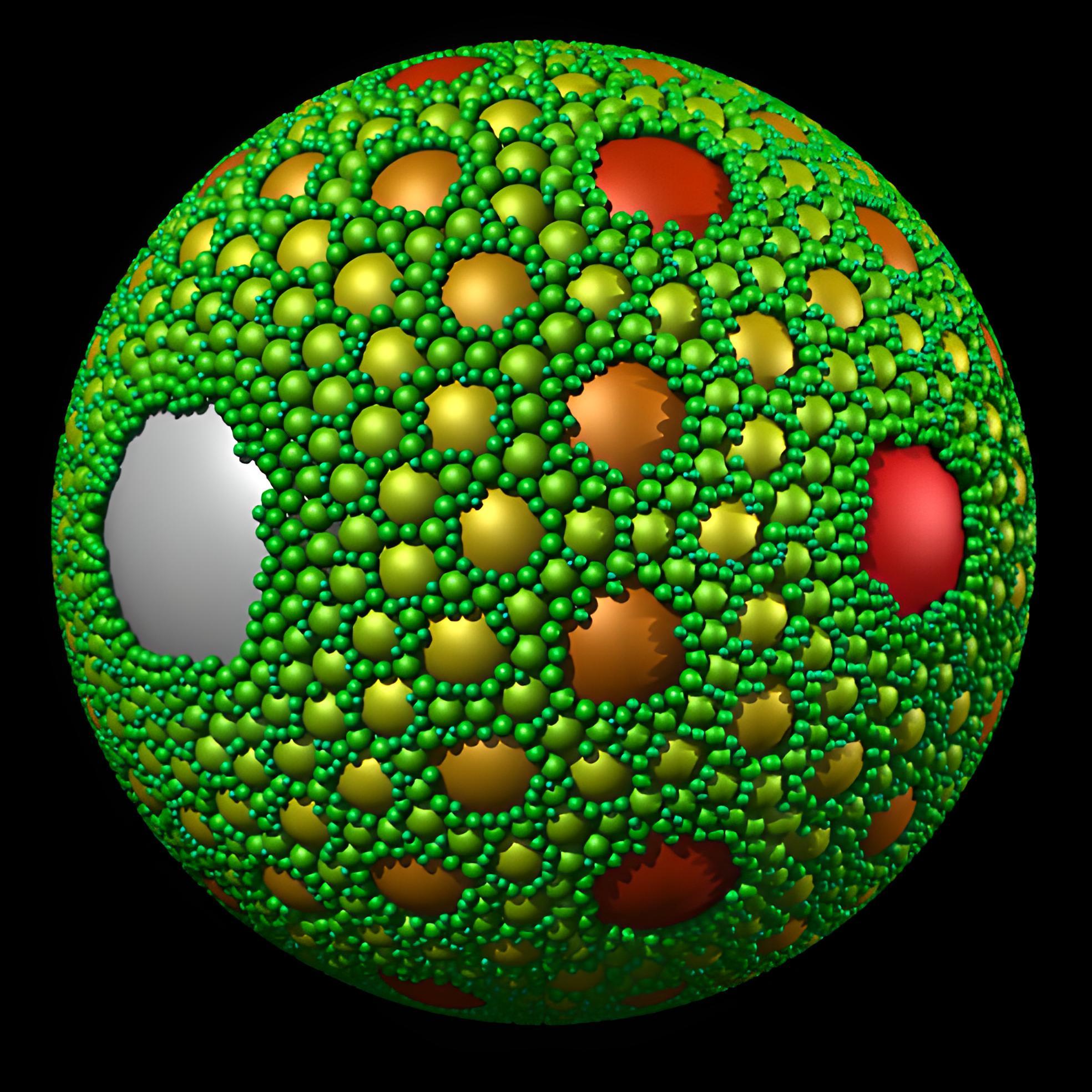
https://nautil.us/is-consciousness-fractal-6124/
"Giuseppe Vitiello, a physicist at the National Institute for Nuclear Physics in Italy, takes a different approach to the application of quantum physics to brain dynamics (using quantum field theory instead)—but he, too, likens it to an ordering along fractal lines. Like a magnet, he says: disordered on the microscopic level until a trigger causes the magnetic “arrows” to all point in the same direction and result in an organized macroscopic system. Vitiello showed that the advent of this coherent structure—namely, of coherent quantum states—corresponds to the way fractals are represented mathematically. In other words, underlying the brain’s fractal processes is quantum coherence.
Philosopher Kerri Welch looks at consciousness in a more holistic way, through the lens of time and memory. “I think consciousness is a temporal fractal,” she says. “We’re taking in an infinite amount of data every moment. It’s a jump in scale every time we compress that data.” According to Welch, perceived time is not a linear progression but a “layering.” A fractal. This “fractal-ness” changes as we do: Infants, for instance, live purely in the present, she says, not dividing time, surely not experiencing it the way we do now. That’s why, for them, the delta-wave brain state—similar to what’s seen in adults in deep sleep—dominates, according to Welch. “And then, as we grow into childhood, we start seeing faster brain waves, theta brain waves … then alpha waves, and finally beta waves once we reach adolescence.” This layered understanding of time, she says, corresponds to how we increasingly divide time into smaller and smaller pieces."
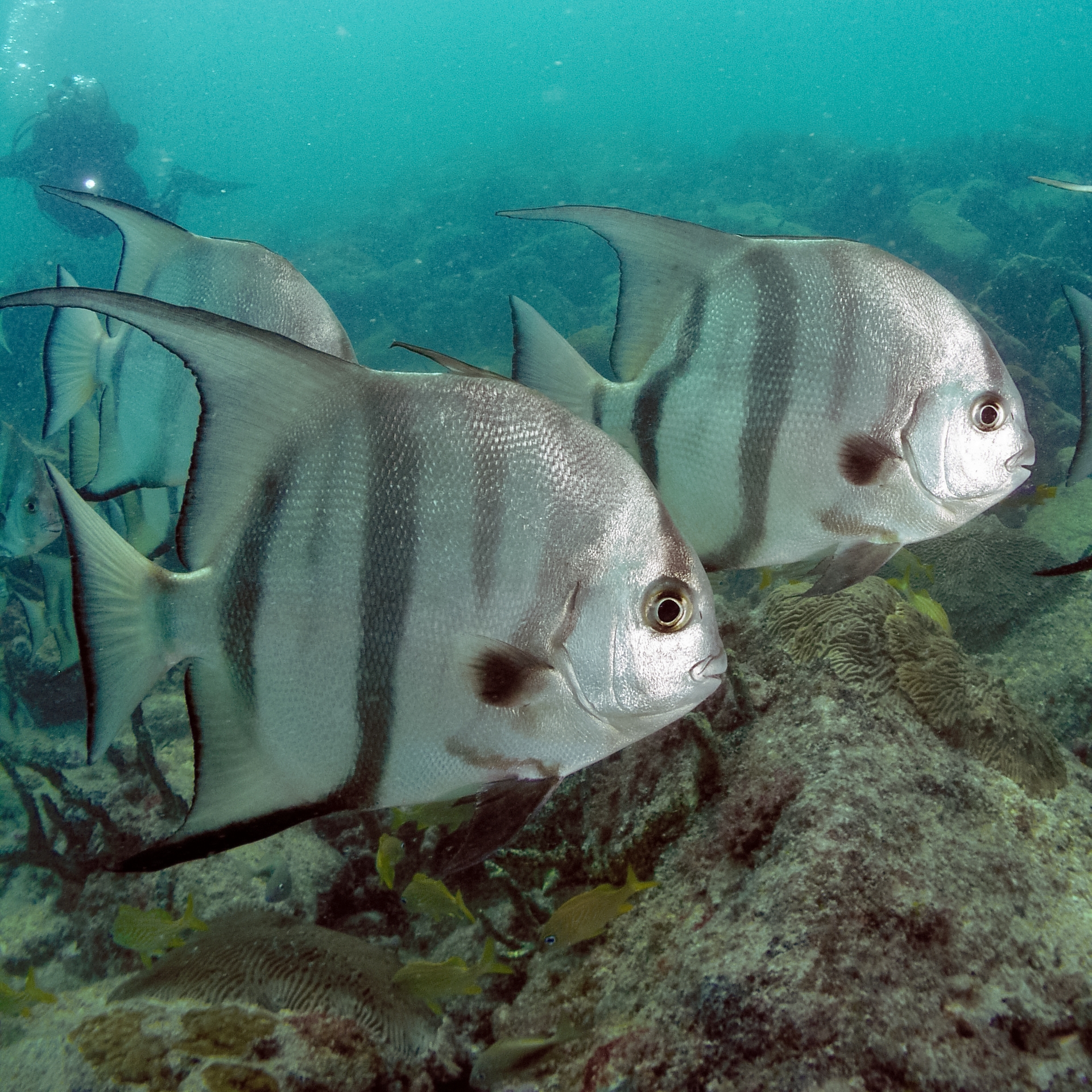
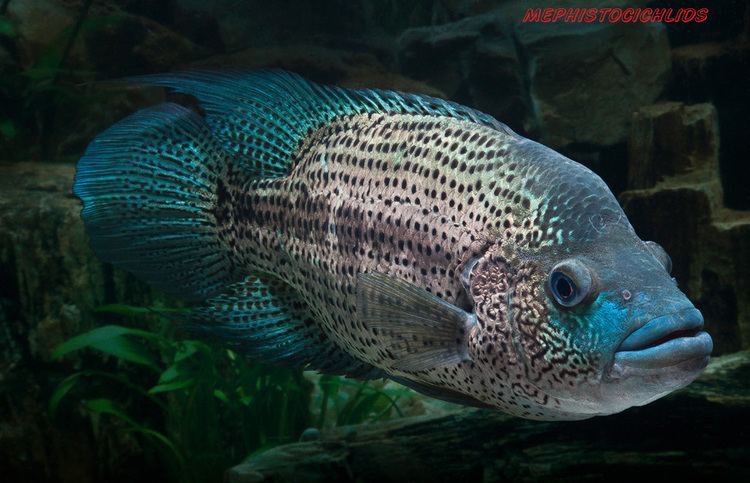
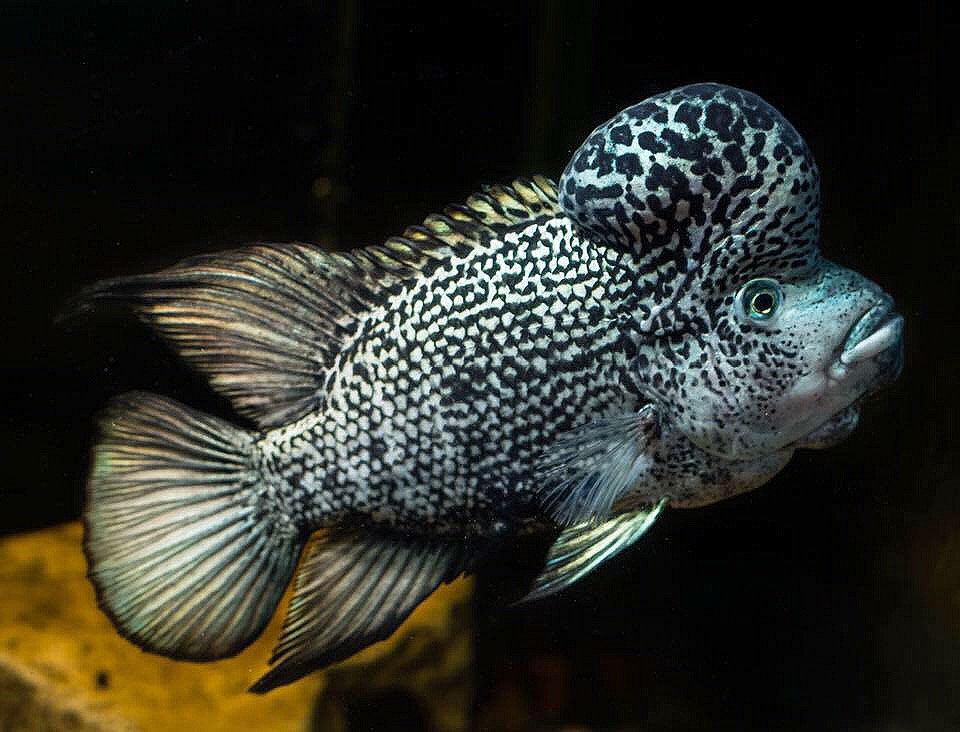
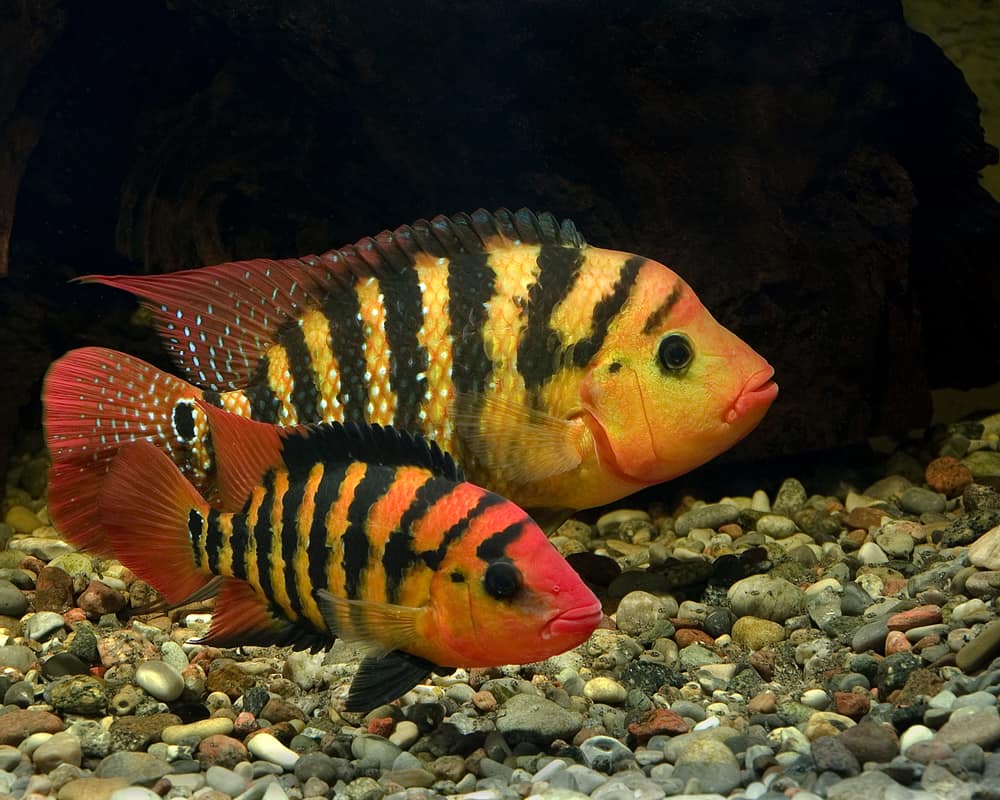
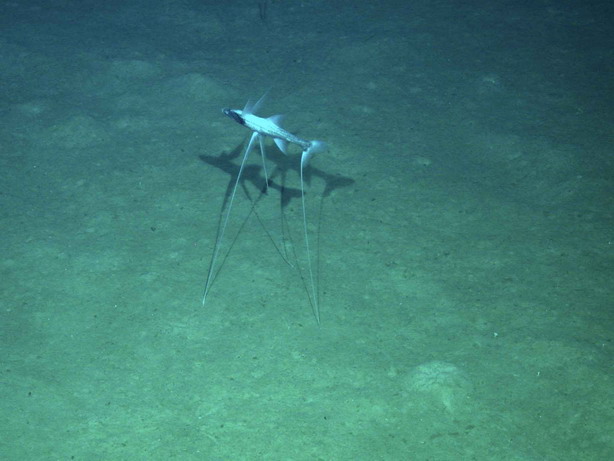
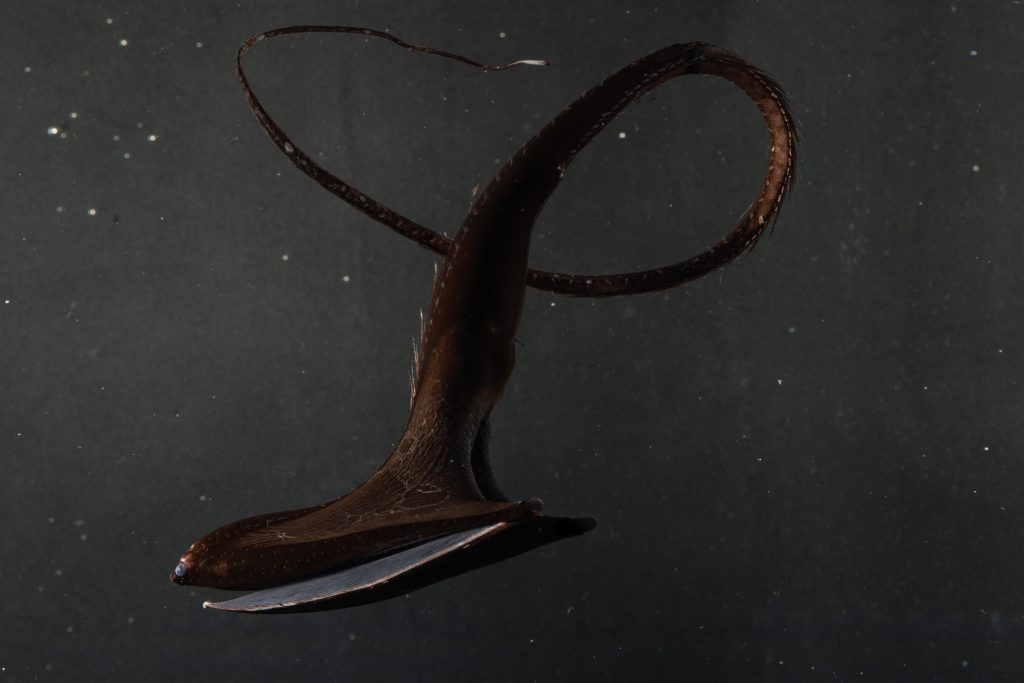

Love rocks
"Measurement, he [[Poincaré]] insists, is never of space itself, but always of empirically given physical objects in space, whether rigid rods or light rays. Regarding the structure of space as such, experiment can tell us nothing; it can tell us only of the relations that hold among material objects. Suppose, Poincaré says, a deviation from two right angles had occurred in the triangulation carried out by Gauss, would this necessarily have constituted a refutation of Euclidean geometry? For there would have been nothing to prevent us from continuing to use Euclidean geometry on the assumption that light rays are curved. Nothing could disprove such an assumption. What geometry one chooses is, for Poincaré, merely a matter of convenience, a convention."
- Max Jammer
"You live in this world; we build it."
- (redacted)
"You are a moment; we are a movement"
- (redacted)
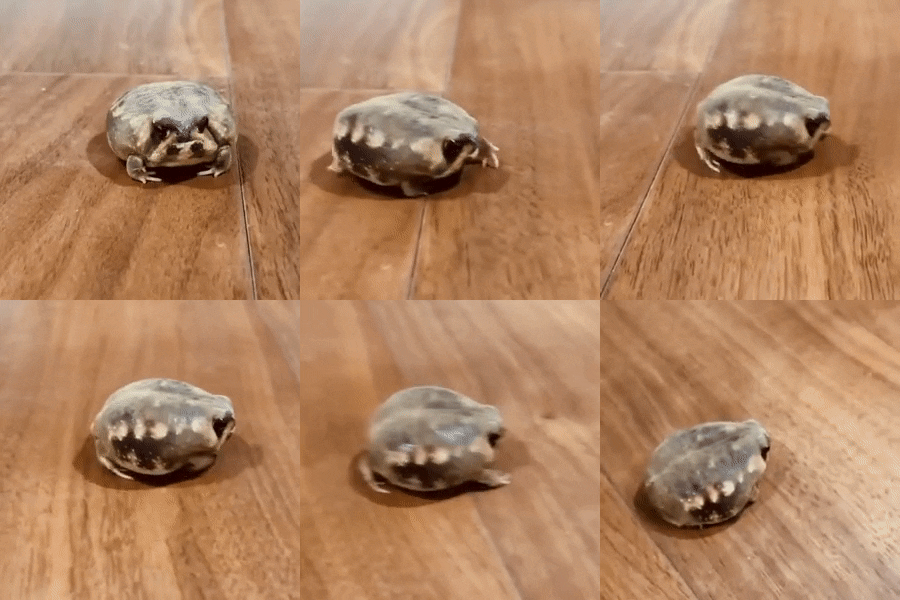
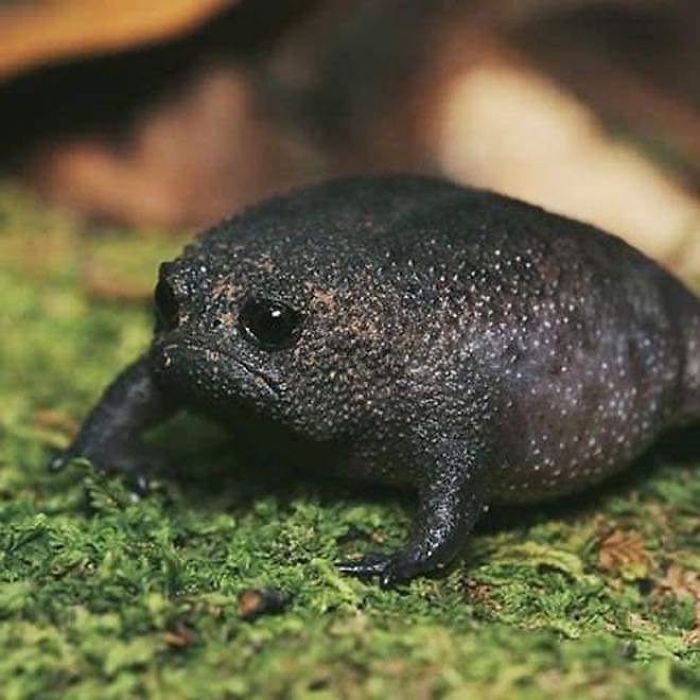
Rain frogs

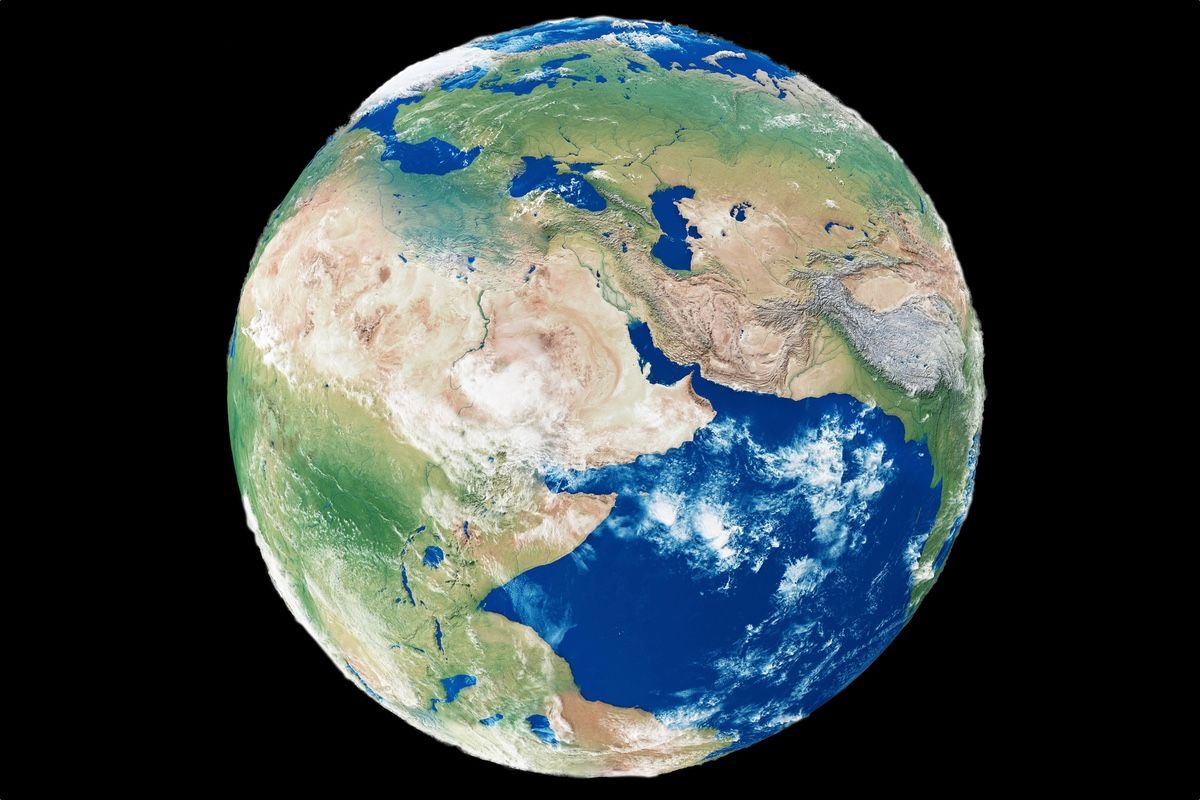
"When you observe conflict, think Deadlock-the absence of mutual interest before puzzling over why a mutual interest was not realized."
- Kenneth Oye
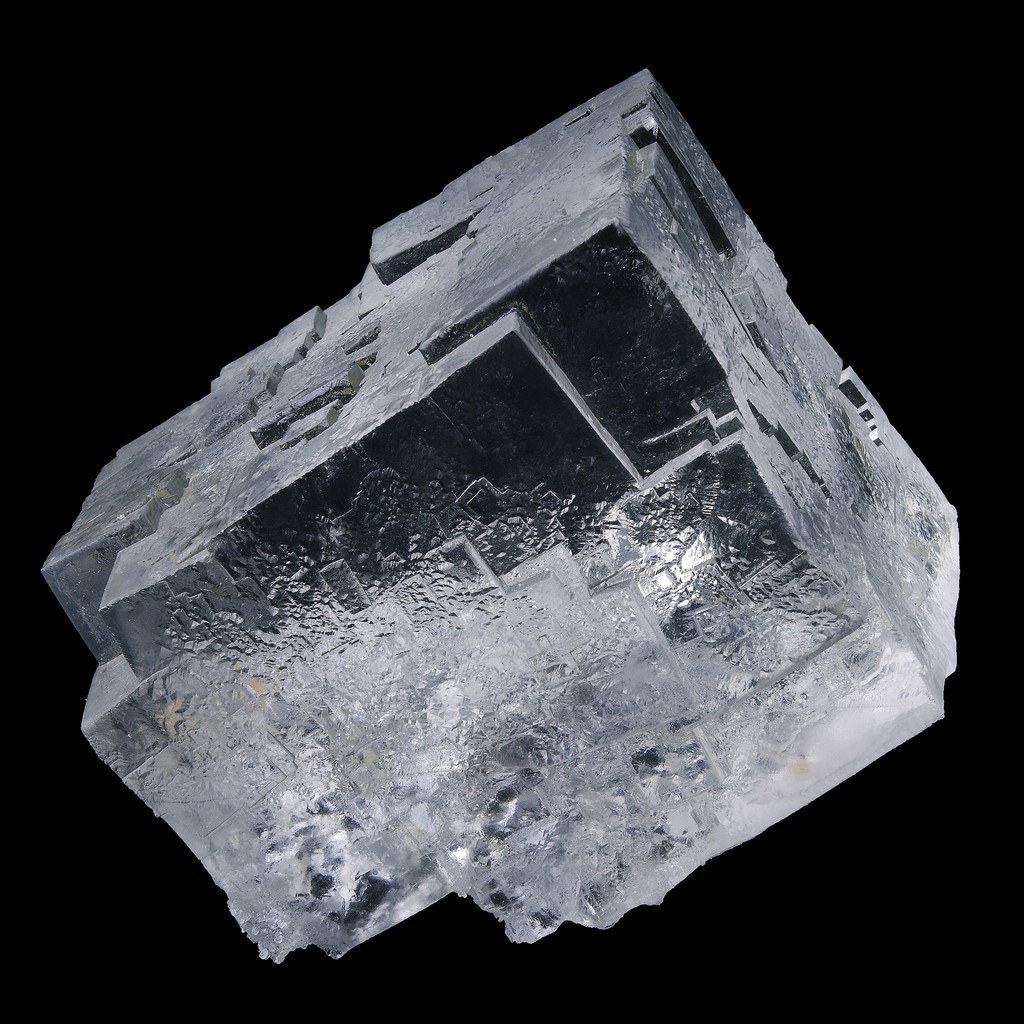

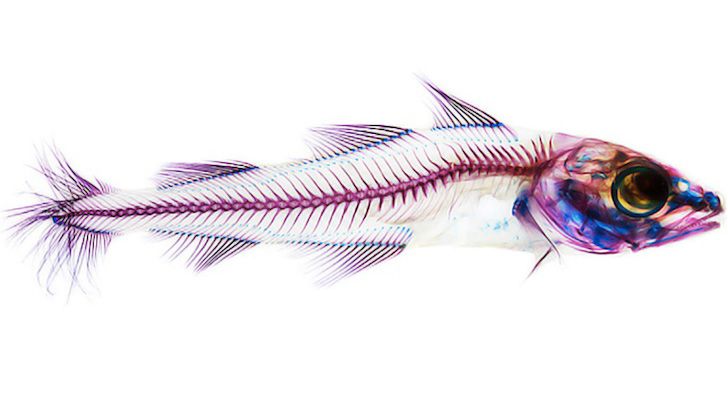
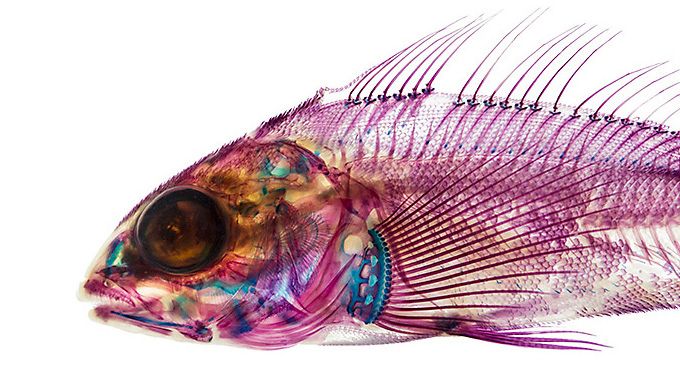
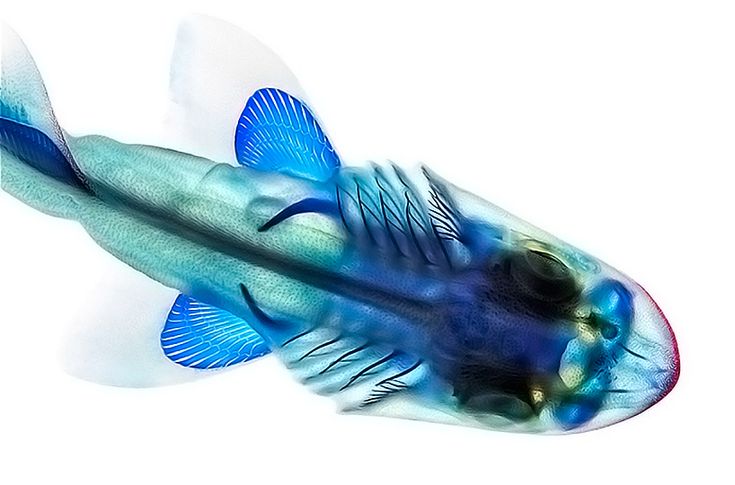
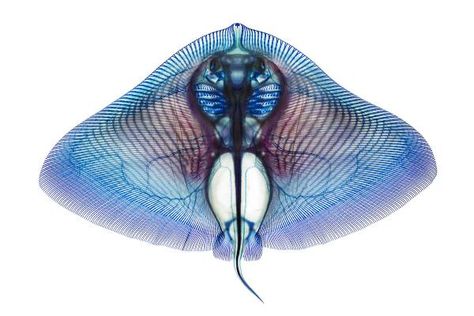

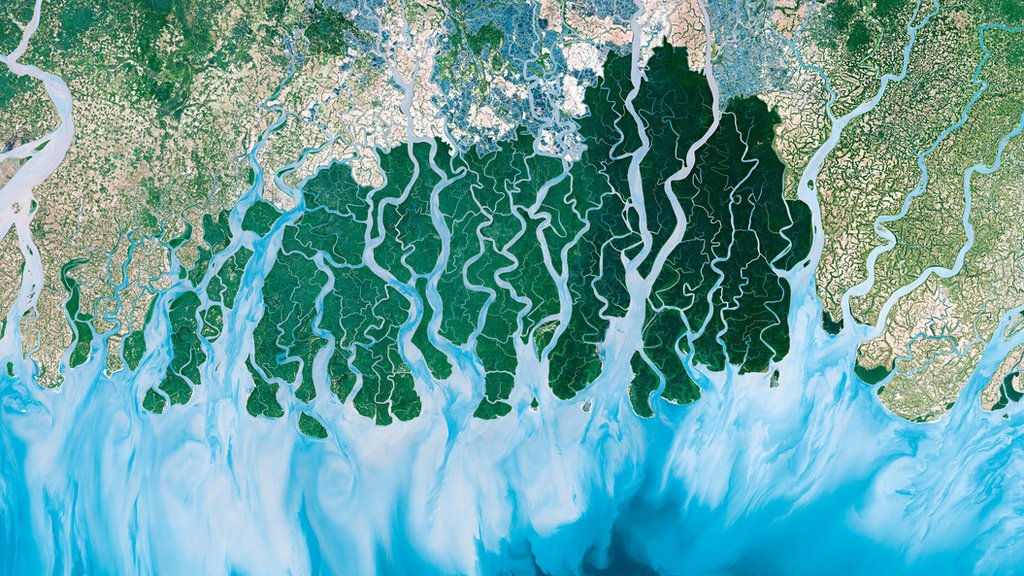
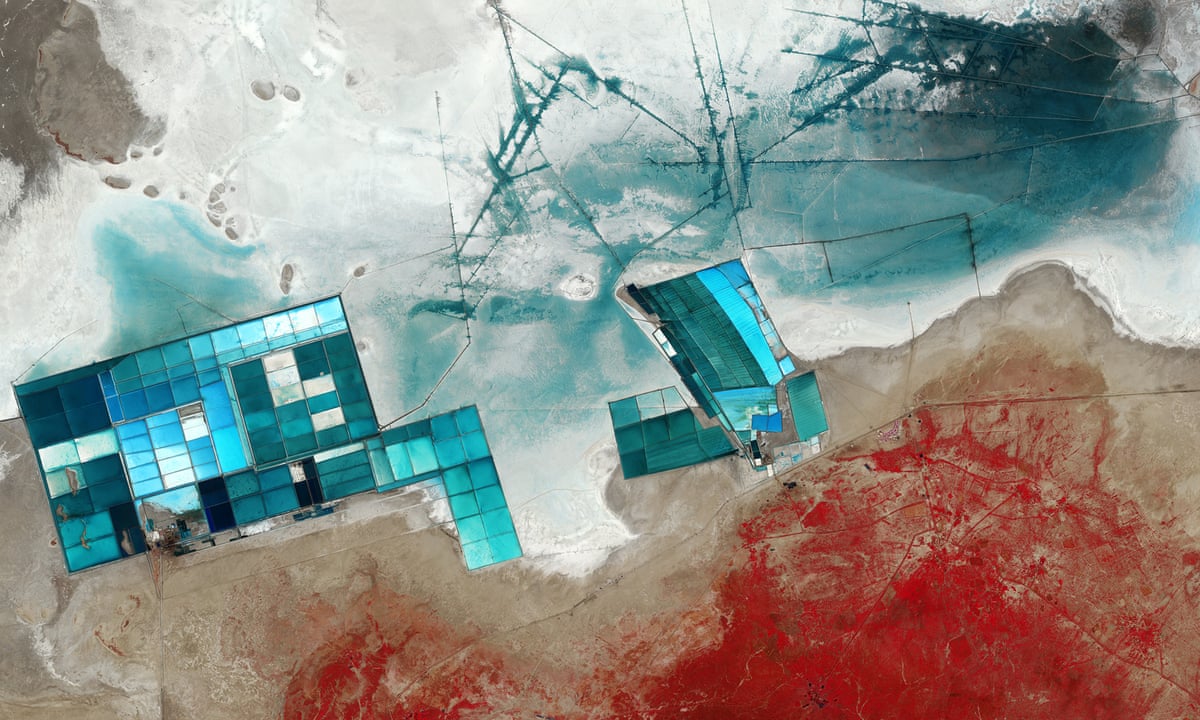
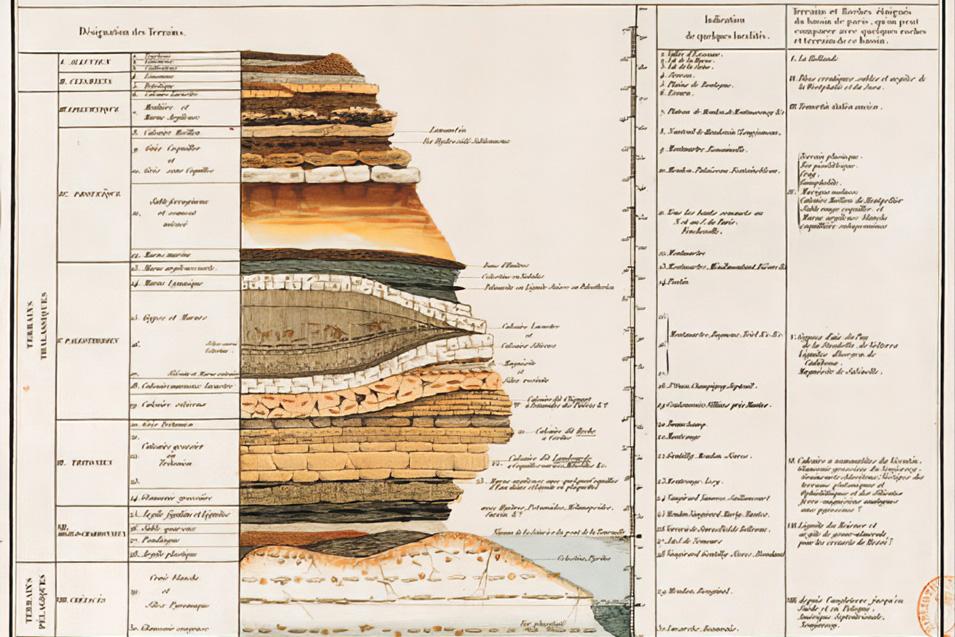
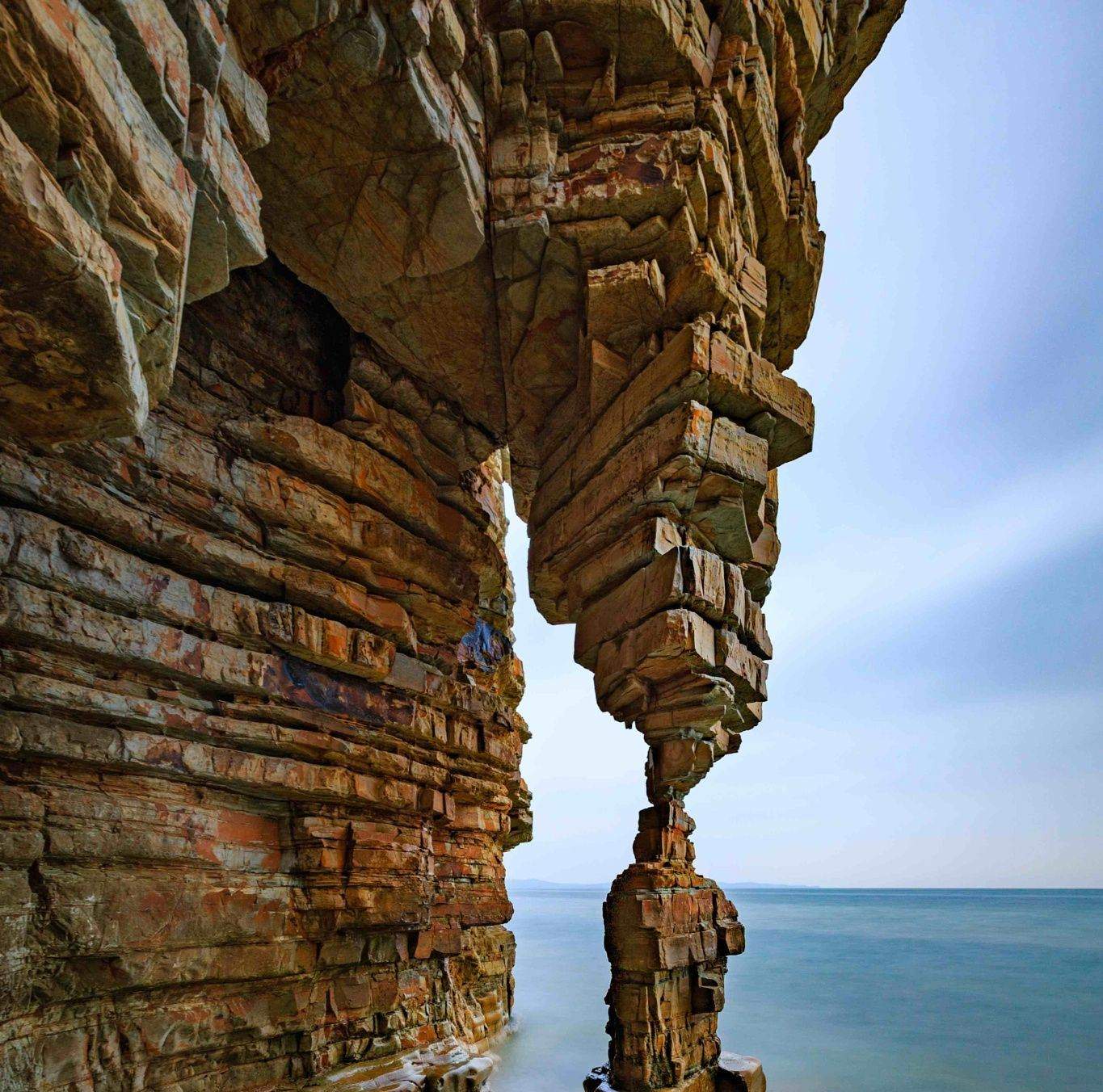

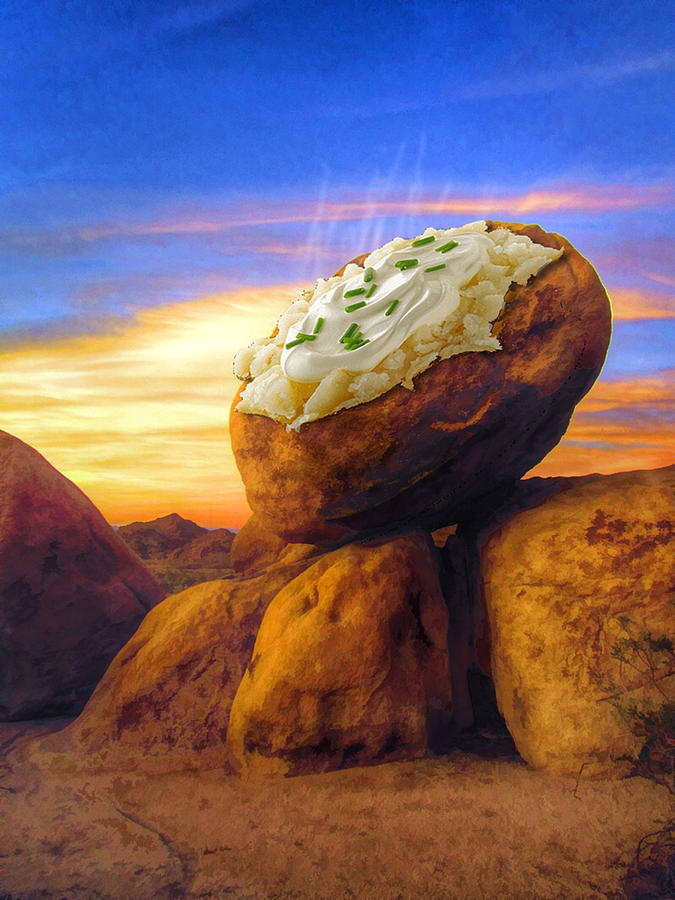
God's not finished
"In this way creatures begin to acquire autonomy. Autonomy does not mean 'free will', although autonomy is clearly a necessary precursor of the state we ourselves enjoy, a state in which we can at least wonder whether or not we have something called 'free will'. It merely means that, although decisions may still be unconscious and automatic, the place where decisions are made no longer lies somewhere between the creature and its environment (which is where we might suppose that the decisions of amoebas, or anemones, or sundews take place). Rather it rests firmly within the brain of the creature concerned."
"Moreover, the paradox of consciousness-that the more consciousness one has, the more layers of processing divide one from the world is, like so much else in nature, a trade-off. Progressive distancing from the external world is simply the price that is paid for knowing anything about the world at all. The deeper and broader consciousness of the world becomes, the more complex the layers of processing necessary to obtain that consciousness. The more complex the layers of processing. the greater the chance that the properties of those layers, like the properties of all representational systems, will be imposed on what is represented, causing distortions of which the processor can hardly be aware. Indeed the clarity and detail that complex representations provide are so great, so convincing, that it is hard to believe they could ever be defective or misleading as a guide to the real.
Finally it is absurd to speak about a true view of the world' because it is not even true for any creature that what is perceived is the world itself."
- Derek Bickerton, Language & Species

@Nomadlost
Pride will make you cry is still stuck in my head, do you have a link to that?
"Everyone will have favorite theories which they believe to be correct (heliocentrism, evolution, and so on). But a thousand years ago, very little of what we now regard as 'knowledge' was accepted, and the bulk of what was accepted would no longer be regarded as 'knowledge'. Who could predict with any confidence what will be 'knowledge' a thousand years from now? Yet people a thousand years ago were every bit as convinced by their 'knowledge' as we are by ours, and as those a thousand years hence will be by theirs."
"By looking at our search for truth' in this way we can make evolutionary sense out of an activity that otherwise would appear both bizarre and unique. No other species searches for truth', but other species, like ours, seek to extend their representations of reality in ways that will be advantageous for them. Moreover, the present analysis of that process should not be taken as a license for either absolute skepticism or absolute relativism. Some of our discoveries really do stand up better than others, some of our beliefs really do have more support. Moreover, our knowledge of the world does tend to increase over time. But it is still 'our knowledge, the knowledge of a particular species at a particular stage of its existence, rather than some transcendental revelation of a deeper reality.
It is natural that a species with language should initially believe that it had somehow found the route to such revelations. The principle of exhaustiveness seems to tell us that our model of reality is a complete model. Our practical successes in the world seem to tell us that, with the aid of constructional learning and the principle of causal primacy, we can solve any problem that we may set ourselves and overcome any obstacle that lies in our path. But what has been called 'the search for truth' might be better and more modestly regarded as a dialogue-among ourselves, and between ourselves and nature-from which we learn whatever aspects of nature and of ourselves we may need to know in order to go on surviving and seeking-that being the mode of existence that language imposes on us."
"Those who have power in a society control its myths, which is to say the linguistic constructs that supposedly enshrine the common purposes of the society. Even if these myths are not formally taught, they are quickly absorbed from those around us. Perhaps no alternatives will be presented to us, or the only alternatives offered may identify us, if we choose them, with despised and persecuted minorities. And we cannot say, 'We don't like any of this, we will stand aside, we won't negotiate'. We have to negotiate. We have to have some model of the world, or—if we can get around the language of 'we' and 'having'- -some model of the world has to be part of us, and grow in us, and guide our conduct, if we are to be creatures at all."
- Derek Bickerton, Language & Species
The less that you breathe in the tighter it gets
Circles in circles; the cracks in your name
The more that you daydream, the more you feel pain
Diamonds fall through the clouds, can't say I live without doubt.

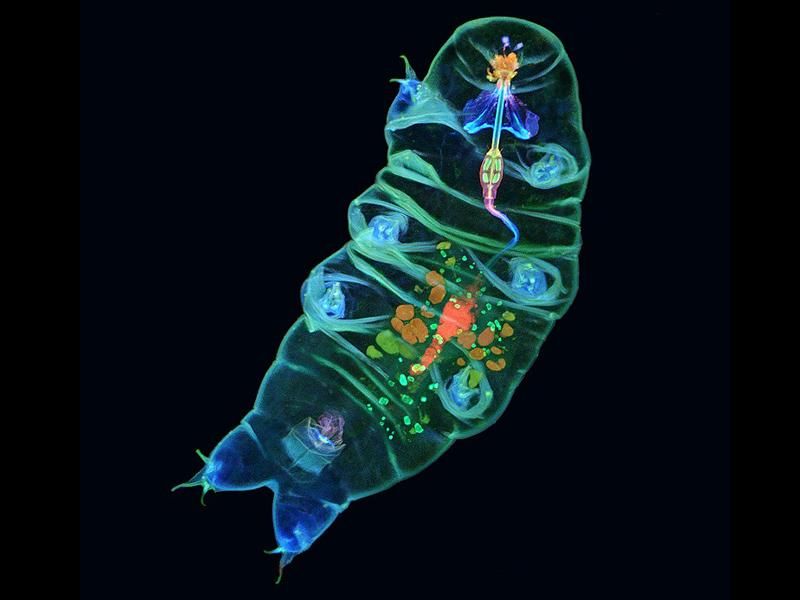




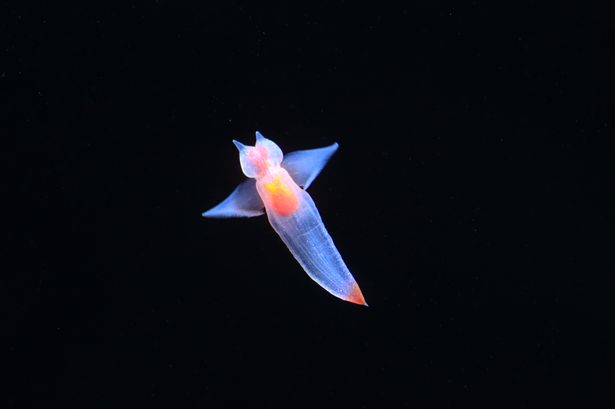
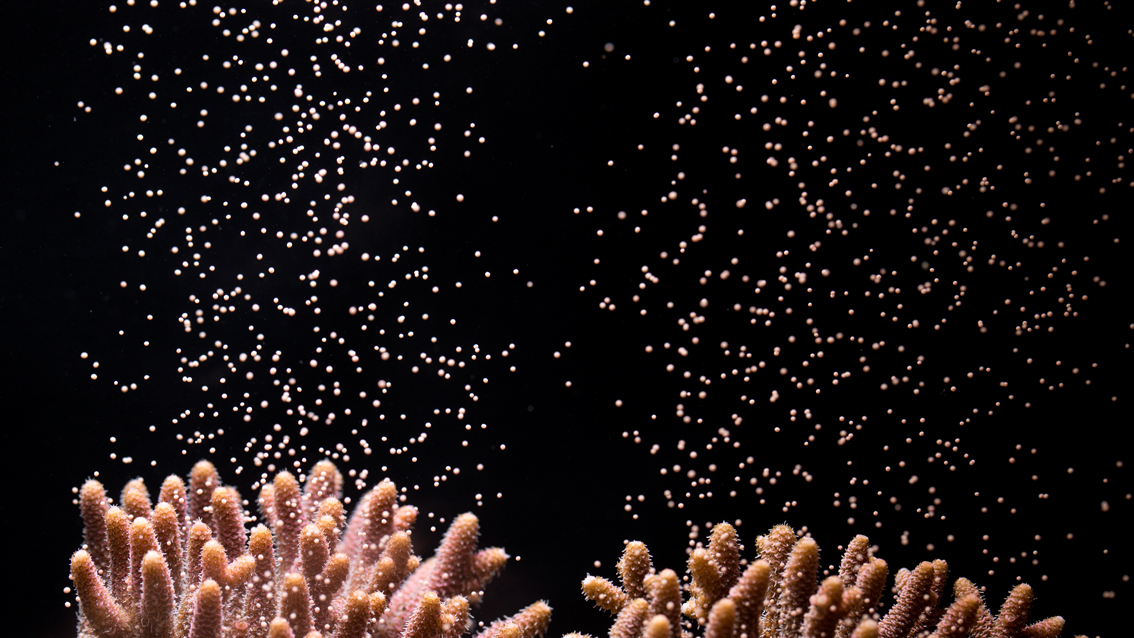

"Ms Casey's book explained: 'In fact, dolphins are so tightly bound to their pods that they may be operating with a degree of interconnectedness far deeper than our own.'
'There's a jubilee of tissue packed into this area, an exuberance of grey matter that scientists believe relates to all things feeling - and no other mammal has anything quite like it.'
During an interview with neuroscientist Lori Marino, Ms Casey asked whether the animals' nature was the reason why dolphins have such large brains.
Ms Marino said this unique evolution suggests the animals are 'doing something very sophisticated or complex while they're processing emotions' and their brains may have adapted for a type of connectivity unprecedented in the animals kingdom.
Ms Marino calls this a 'collective soul'."



Page 10 I need to celebrate
Please
CHEERS!
Nonlocality
Orchestrated Objective Reduction
And I've got this black suit on
Roamin' around like I'm ready for a funeral
"The art object, which is a kind of 'thing', is also a kind of 'soul'. The imagery of art and of religion, the persisting idea, whether personified or not, of an absolute good or moral ground, provide fortifying reflections, pictures, analogies of an active unified self. We are still surrounded by sources of energy which may maintain our 'self-confidence'. Our intuition helps out what is fragmentary to produce an idea of unity and in this mirror we see ourselves. It is in the critique of elements of illusion in this process that something essential may be lost."
- Iris Murdoch, Metaphysics as a Guide to Morals
"That is, we should under stand composition and improvisation as overlapping, situated on a continuum, and expressed in degrees rather than as distinct and unrelated practices. This recognition of music's flexible ontology and the overlapping and interrelated character of composition and improvisation opens up a new paradigm for understanding what music is. In other words, a musical piece is not a static product created (once and for all) by a single composer. Rather, a musical piece is dynamic and is (re)created by many performers qua co-composers. Consequently, music is also profoundly communal. That is, it comes into being and is maintained in existence through practices and traditions that themselves develop and change."
- Cynthia R. Nielsen, Interstitial Soundings
https://royalsocietypublishing.org/doi/10.1098/rspb.2020.0825
Abstract:
"Perceiving the positions of objects is a prerequisite for most other visual and visuomotor functions, but human perception of object position varies from one individual to the next. The source of these individual differences in perceived position and their perceptual consequences are unknown. Here, we tested whether idiosyncratic biases in the underlying representation of visual space propagate across different levels of visual processing. In Experiment 1, using a position matching task, we found stable, observer-specific compressions and expansions within local regions throughout the visual field. We then measured Vernier acuity (Experiment 2) and perceived size of objects (Experiment 3) across the visual field and found that individualized spatial distortions were closely associated with variations in both visual acuity and apparent object size. Our results reveal idiosyncratic biases in perceived position and size, originating from a heterogeneous spatial resolution that carries across the visual hierarchy."
How do you see a soul in a world full of I's?
Lethal.
An inability to assimilate / a barrier in doing so. To provide metaphysical value outside of ones immediate life, to create language is to impact. Language has the propensity to impact more than money. Language, inherently thoughts are the closest thing to consciousness we have. Communication in a sense is language, in this way language may not be just spoken word, but rather a confluence of all the ways in which communication takes place. This is a within art, science, fashion, etc. Some people are unaware of how they communicate within the world, and how their communication impacts the world, and coincidentally the world will then reflect that back on them. It is almost like yin and yang with the external world. There is a desire to "fit in", coalesce and go along. The social pressures to do so are vast.
Some language is just experience, tone, do they ever feel at ease. Just subtle glimpses of calm followed by the elixir of experience. How I see it, or is that just an impression. How would you know anyways? There is a degree to which it may be impossible to really understand an individual.
"Of the movement towards impulsive self-expression van both the genesis and the genius. He strove to convey and very often in looking at his work one feels something akin to the sensation of listening to someone speak a foreign language so vehemently that it simply must be understood. In the art of van Gogh, and in that of Ensor and Munch, and to some extent in that of Gauguin and Toulouse-Lautrec, artistic ex pression became a psychic necessity to individual well-being. And, yet, the thing most common to them all is rage: 'They rage against everything that gives permanence and continuity to life and they rage against them selves, as if they were anxious to exterminate everything in their own nature which they have in common with others.'
Art became for them more important than human companionship or creature comfort; they all subjected themselves to cruel monastic disci pline and forwent the personal and private happiness that normal society affords. Ensor sold his soul to art and the salon, then attacked both, making his virtuosity into an instrument of destruction and symbolically annihilating whole herds of philistines. Van Gogh became a saint, a fanatically inspired genius, demanding money from his brother despite everything and then spending it on brushes and canvas while he subsisted mostly on coffee and alcohol. All led dreadful lives, fell into sordid semal entanglements, companioned criminals, died of venereal disease, went in sane, or committed suicide. Still, they were great creators in spite of, nut because of, their disturbances. Only a man in a most lucid frame of mind could have painted the oeuvre of Vincent van Gogh; even when under going seizures he acted towards his crises with more intensity, intelligence and will than do other schizophrenics.
Art was all that tied these men to reality; without it life was in sufferable; with it they were able to appease the poignant longing for personal distinctiveness that was general among their notion of anonymity to which this longing was related is today quite commonplace."
- John Adkins Richardson, Modern art and Scientific Throught
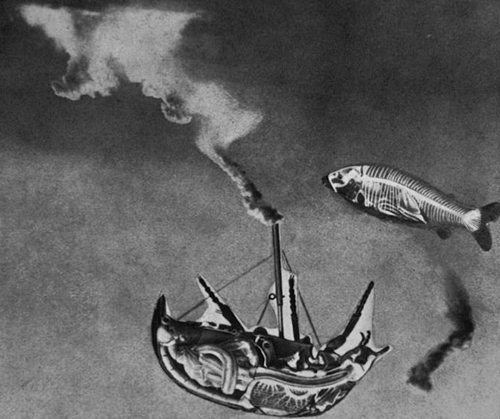
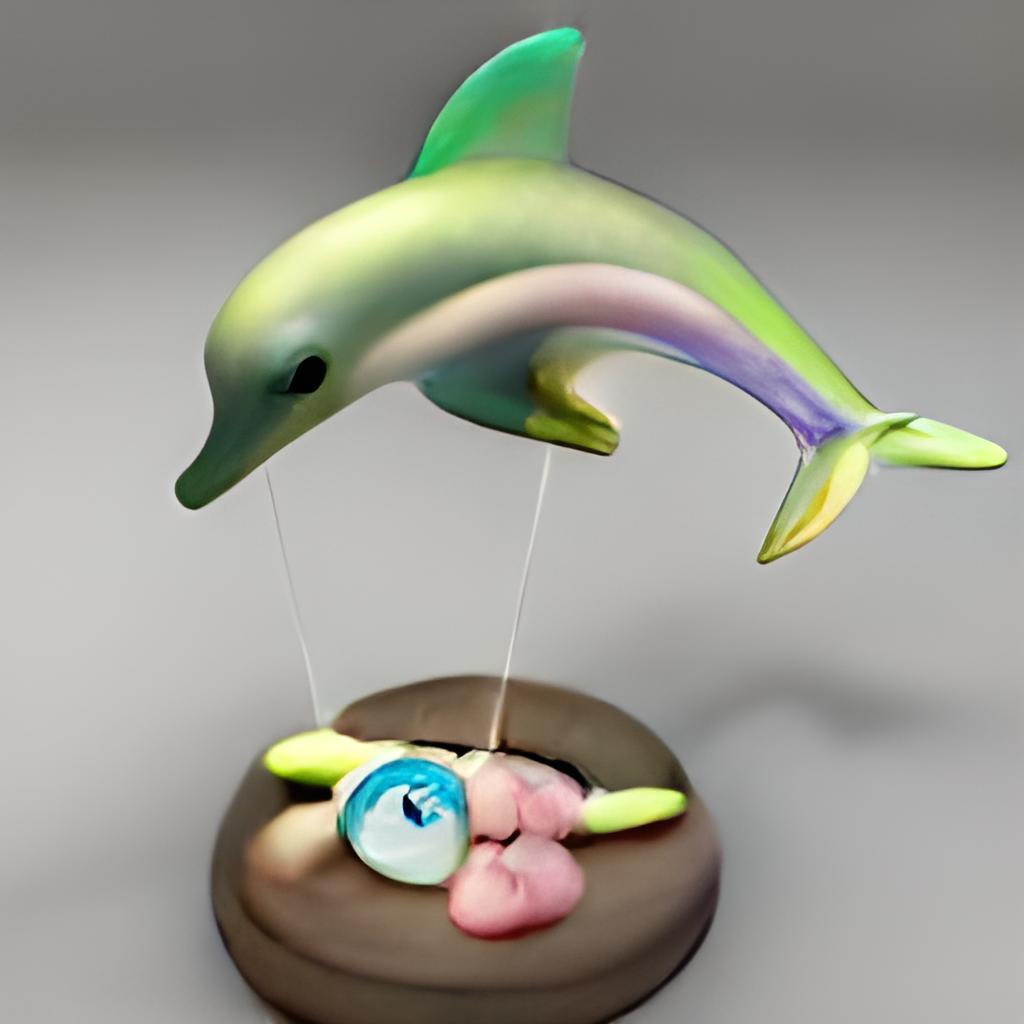
!dream Max Ernst, painting, dolphin, surreal, unreal engine, sharp focus, high detail, 8k, cinema4d, cinematic, ultra wide angle lens, blender, octane render
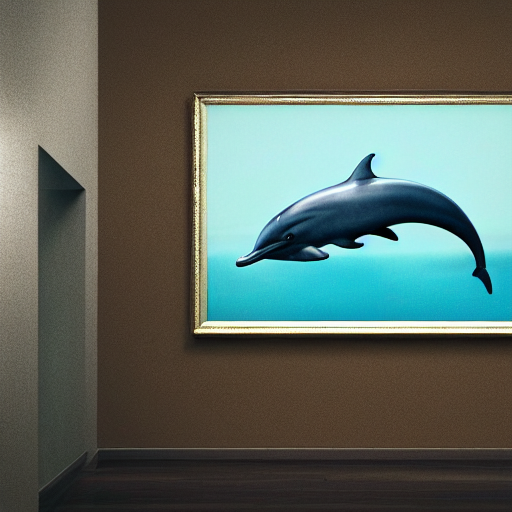
!dream Max Ernst, painting, dolphin, surreal, unreal engine, sharp focus, high detail, 8k, cinema4d, cinematic, ultra wide angle lens, blender, octane render
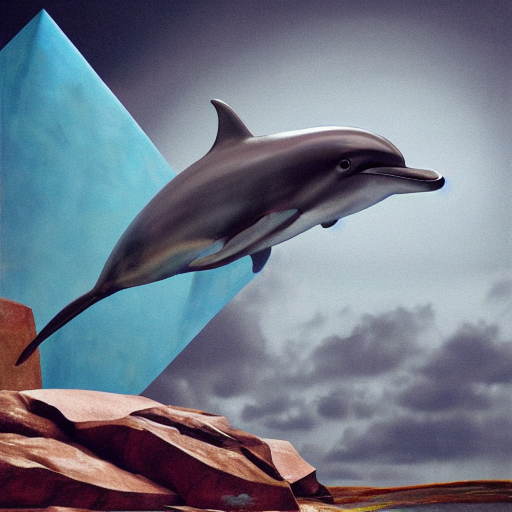
!dream Max Ernst, painting, dolphin, surreal, unreal engine, sharp focus, high detail, 8k, cinema4d, cinematic, ultra wide angle lens, blender, octane render
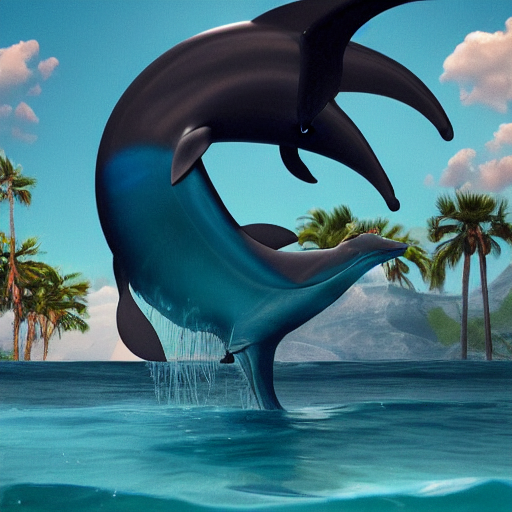
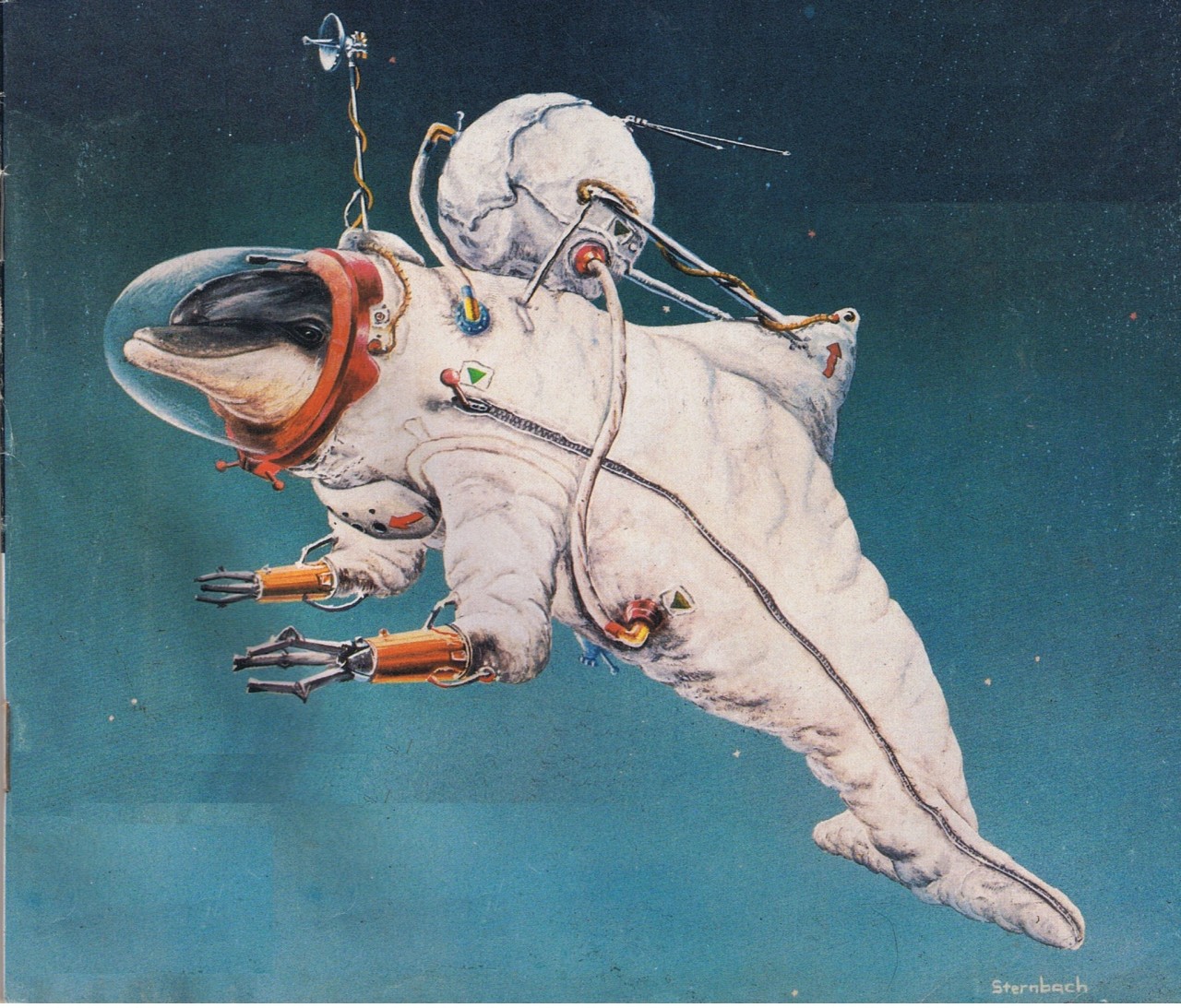
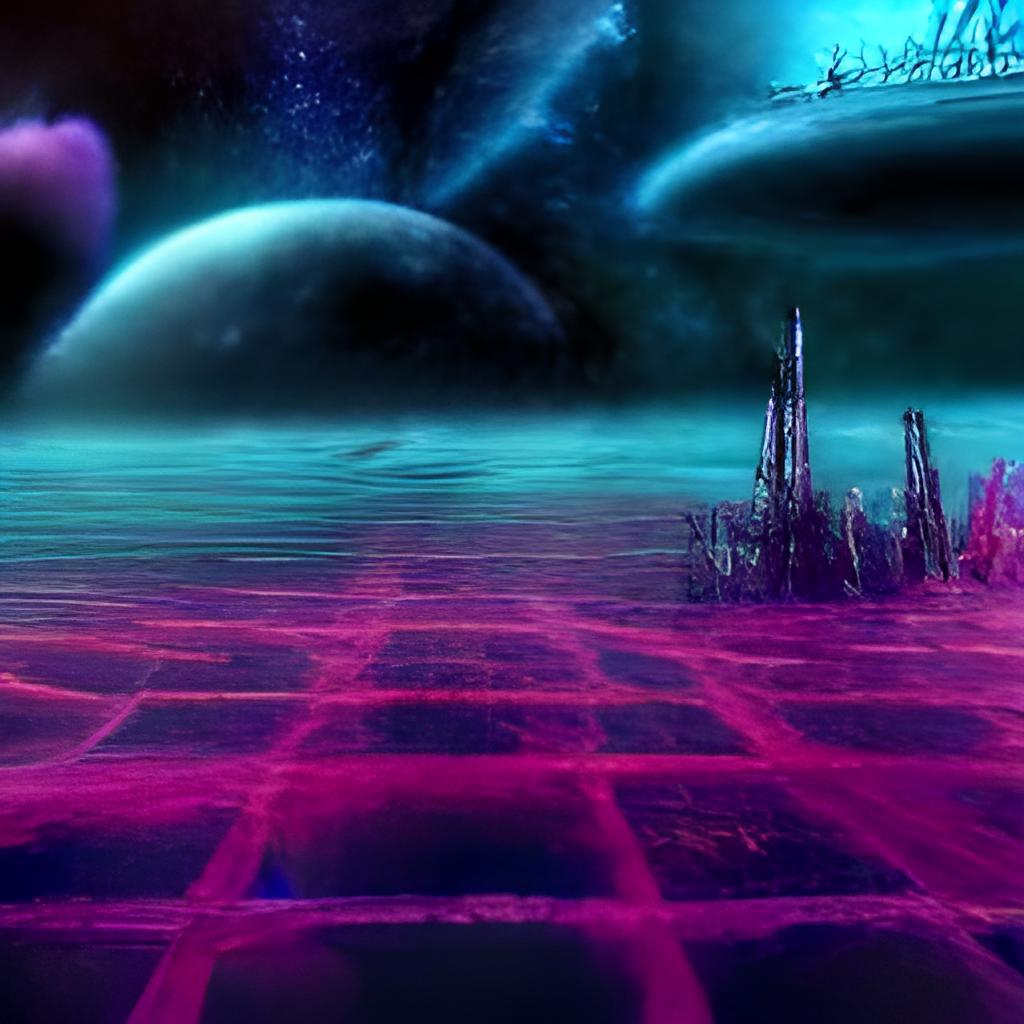
!dream Max Ernst, painting, dolphin, surreal, in space unreal engine, sharp focus, high detail, 8k, cinema4d, cinematic, ultra wide angle lens, blender, octane render
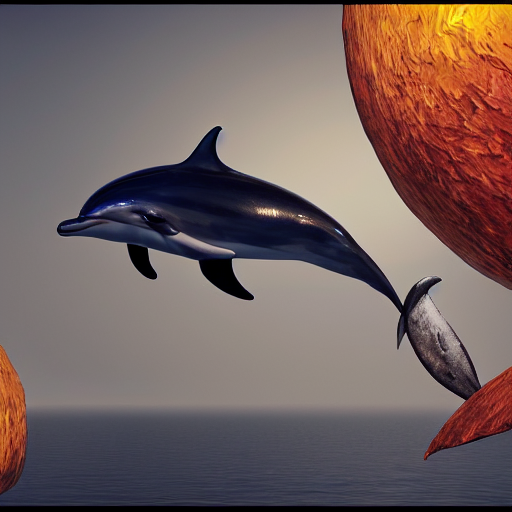
!dream Max Ernst, painting, dolphin, surreal, in space, unreal engine, sharp focus, high detail, 8k, cinema4d, cinematic, ultra wide angle lens, blender, octane render
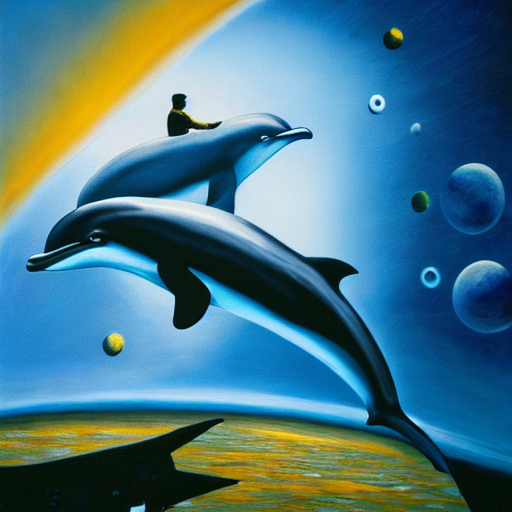
!dream Max Ernst, dolphin, surreal, unreal engine, sharp focus, high detail, 8k, cinema4d, cinematic, ultra wide angle lens, blender, octane render
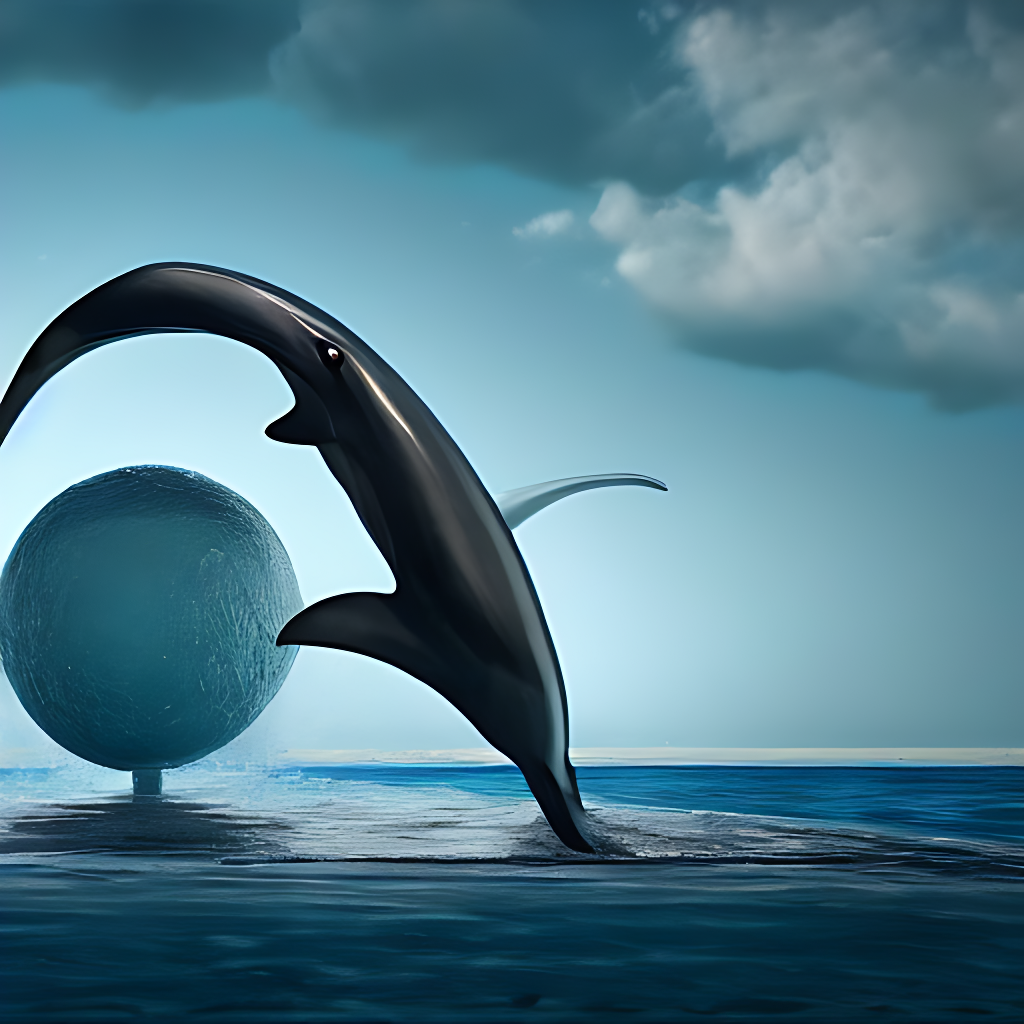
!dream Max Ernst, dolphin, surreal, unreal engine, sharp focus, high detail, 8k, cinema4d, cinematic, ultra wide angle lens, blender, octane render
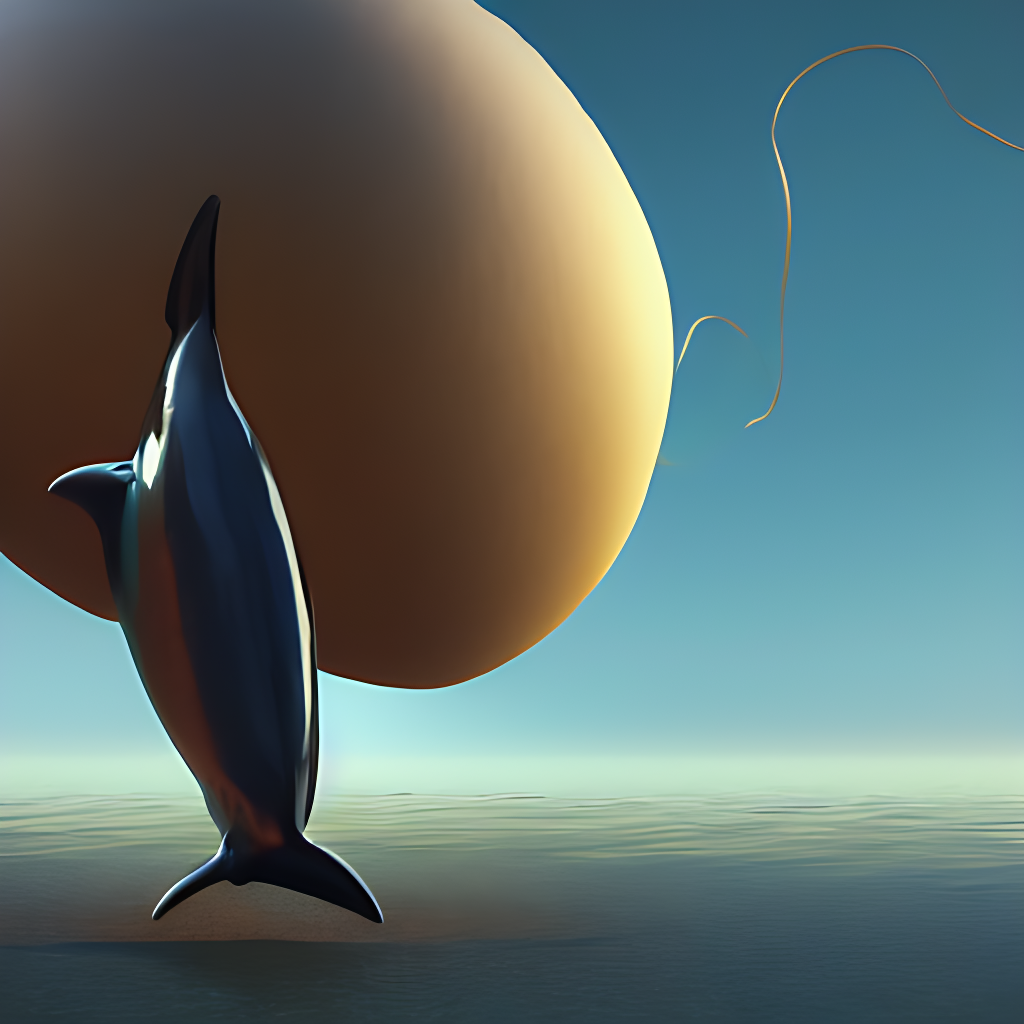
!dream cybernetic battle dolphin, hyper real, ultra real, octane render, unreal engine, fighting in space, sharp focus, extremely detailed, Shot on 70mm, F/2.8, high Contrast, 8K, Cinematic Lighting, Volumetric Lighting
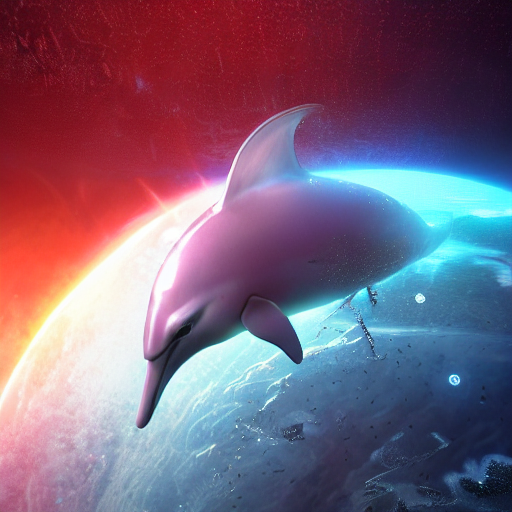
!dream cybernetic battle dolphin, hyper real, ultra real, octane render, unreal engine, sharp focus, extremely detailed, Shot on 70mm, F/2.8, high Contrast, 8K, Cinematic Lighting, Volumetric Lighting
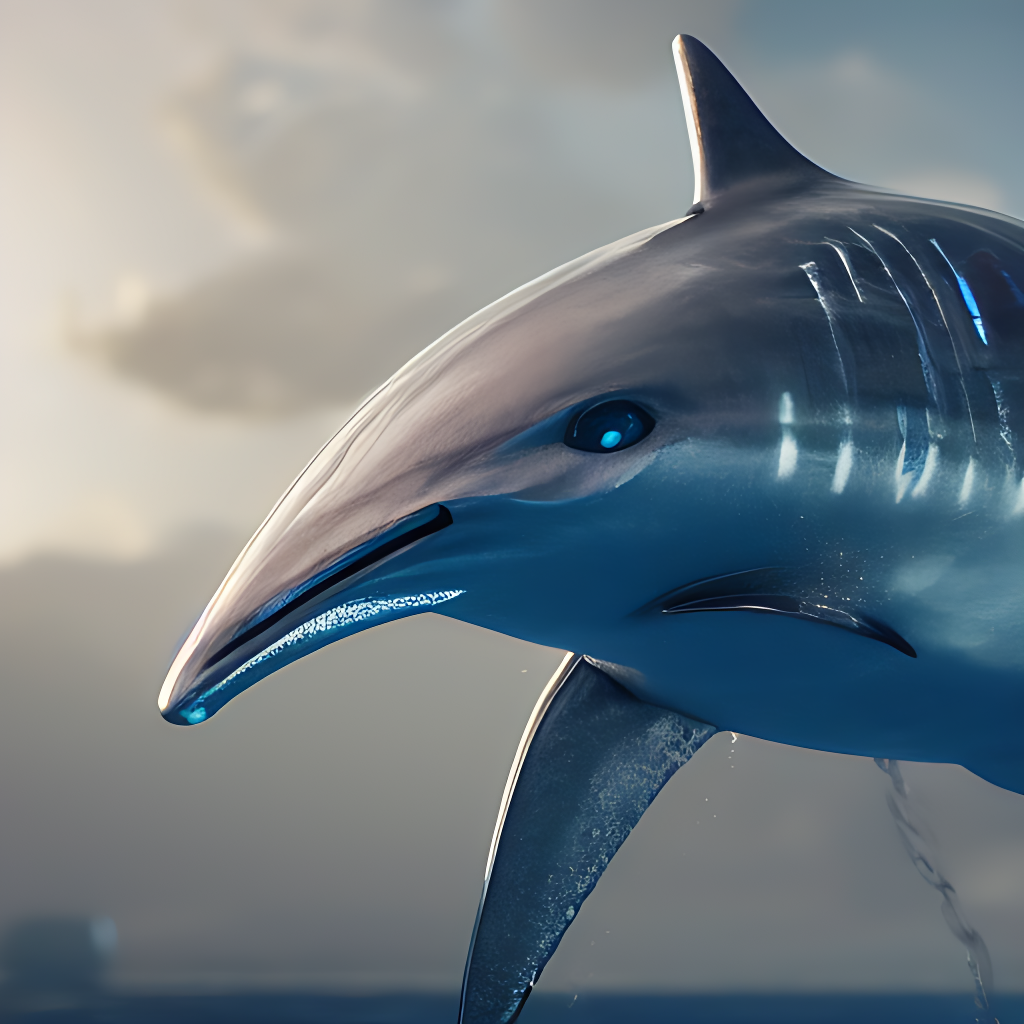
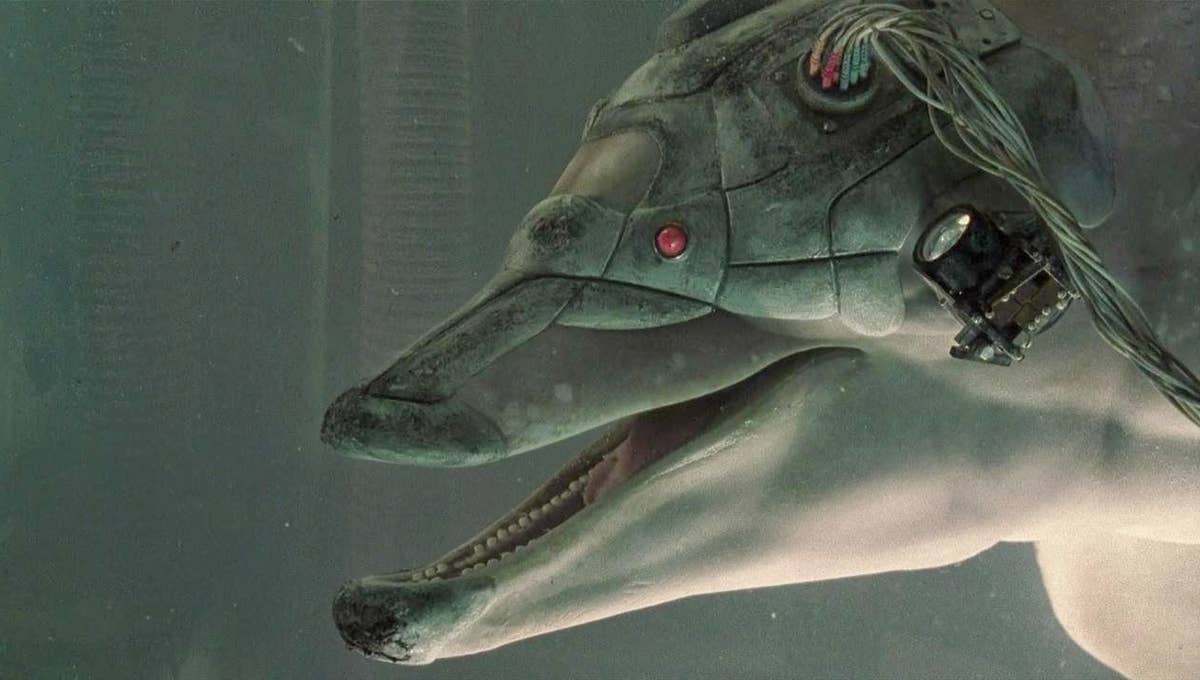
!dream cybernetic battle dolphin, hyper real, ultra real, octane render, unreal engine, robotic head, sharp focus, extremely detailed, Shot on 70mm, F/2.8, high Contrast, 8K, Cinematic Lighting, Volumetric Lighting
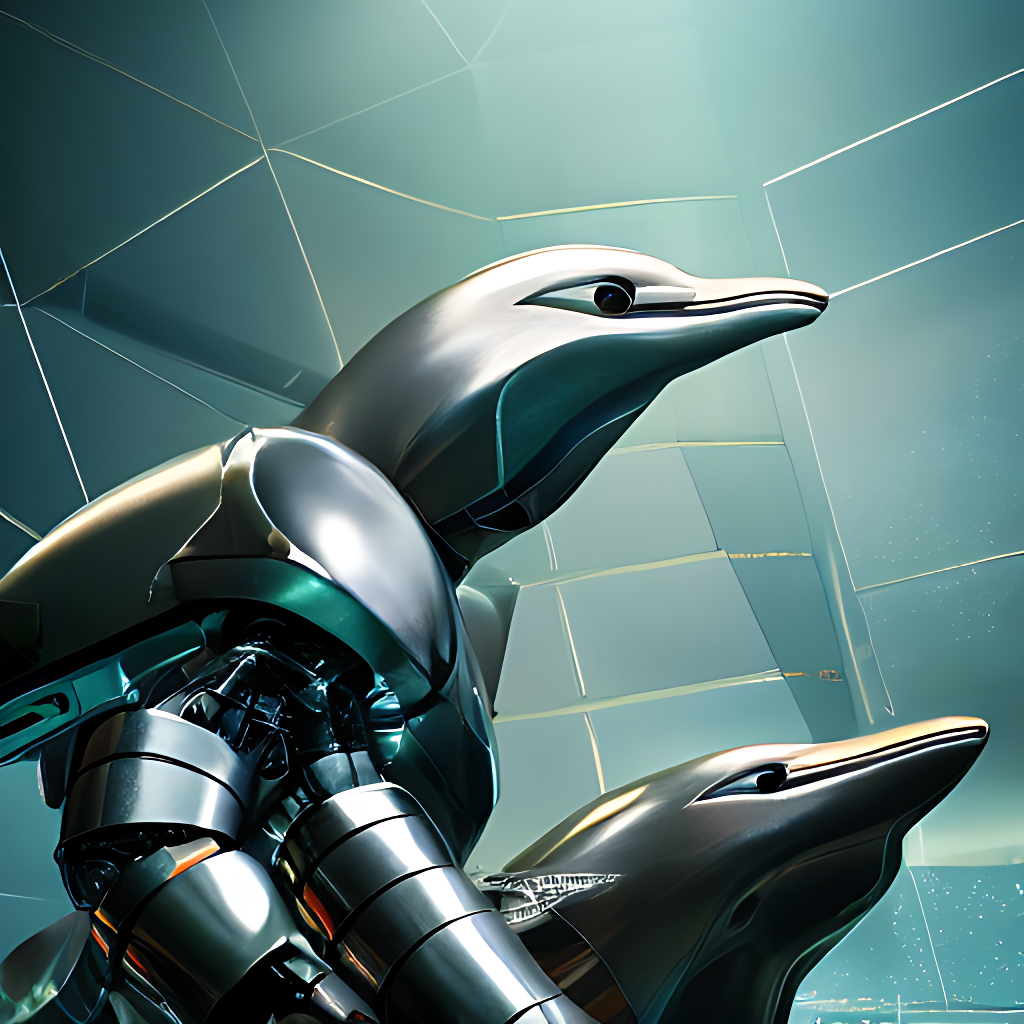
Now we getting somewhere
dream cybernetic battle dolphin, hyper real, ultra real, octane render, unreal engine, sharp focus, metal head, bionic eye, extremely detailed, Shot on 70mm, F/2.8, high Contrast, 8K, Cinematic Lighting, Volumetric Lighting
Yeah I just saved it for the morning
!dream cybernetic battle dolphin, hyper real, ultra real, octane render, unreal engine, sharp focus, metal head, bionic eye, extremely detailed, Shot on 70mm, F/2.8, high Contrast, 8K, Cinematic Lighting, Volumetric Lighting
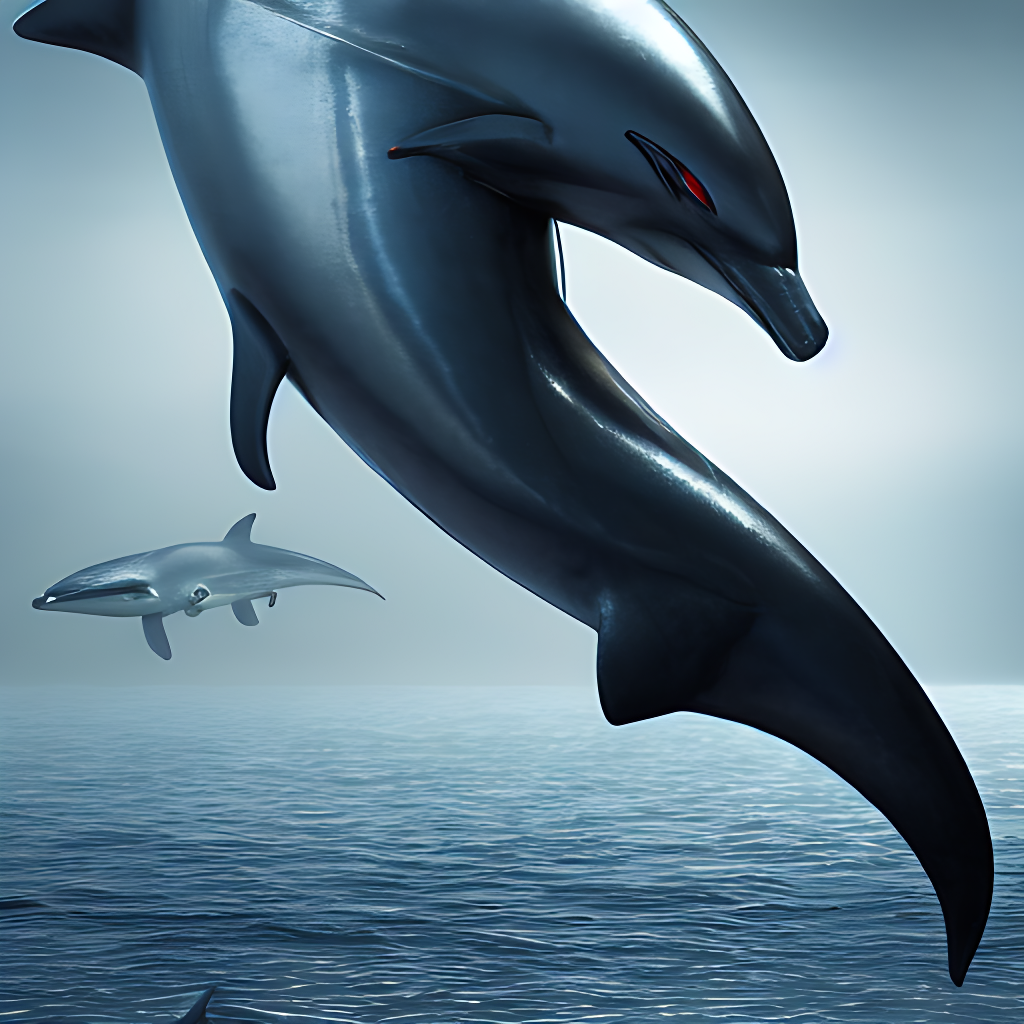
!dream cybernetic battle dolphin, hyper real, ultra real, octane render, unreal engine, sharp focus, titanium, armor, bionic eye, extremely detailed, Shot on 70mm, F/2.8, high Contrast, 8K, Cinematic Lighting, Volumetric Lighting
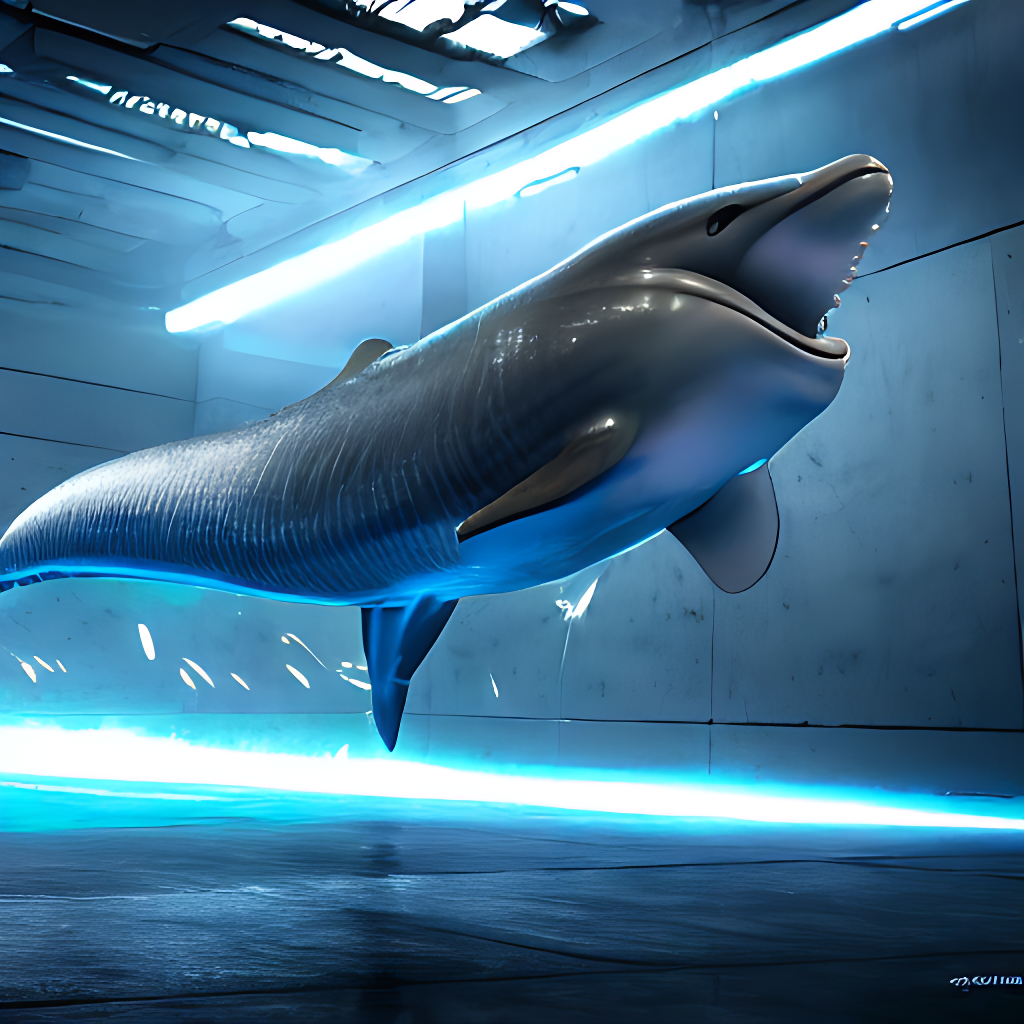
!dream cybernetic battle dolphin, hyper real, ultra real, octane render, unreal engine, sharp focus, metallic head, scale blade armor, bionic eye, extremely detailed, Shot on 70mm, F/2.8, high Contrast, 8K, Cinematic Lighting, Volumetric Lighting

!dream cybernetic dolphin knight, hyper real, ultra real, octane render, unreal engine, sharp focus, fish scale armor, metalic patina, extremely detailed, Shot on 70mm, F/2.8, high Contrast, 8K, Cinematic Lighting, Volumetric Lighting
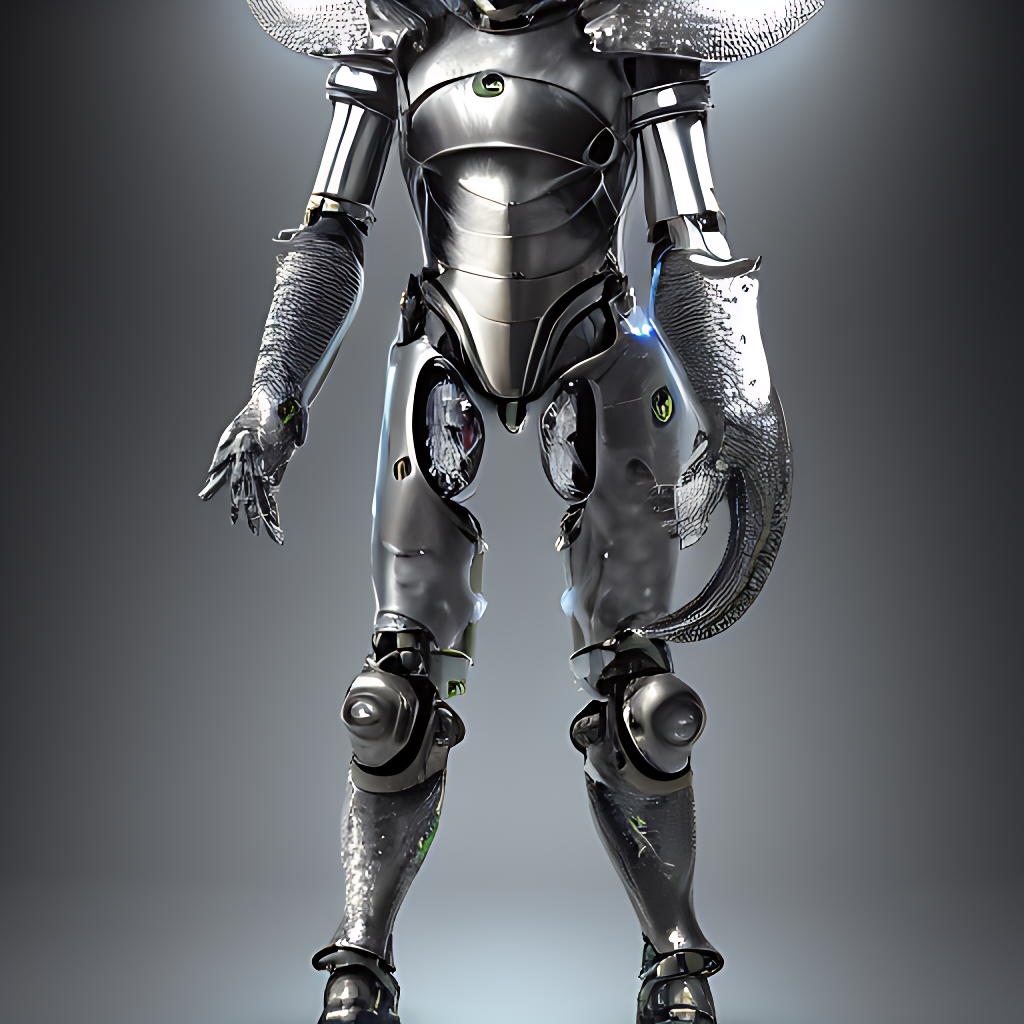

murphy
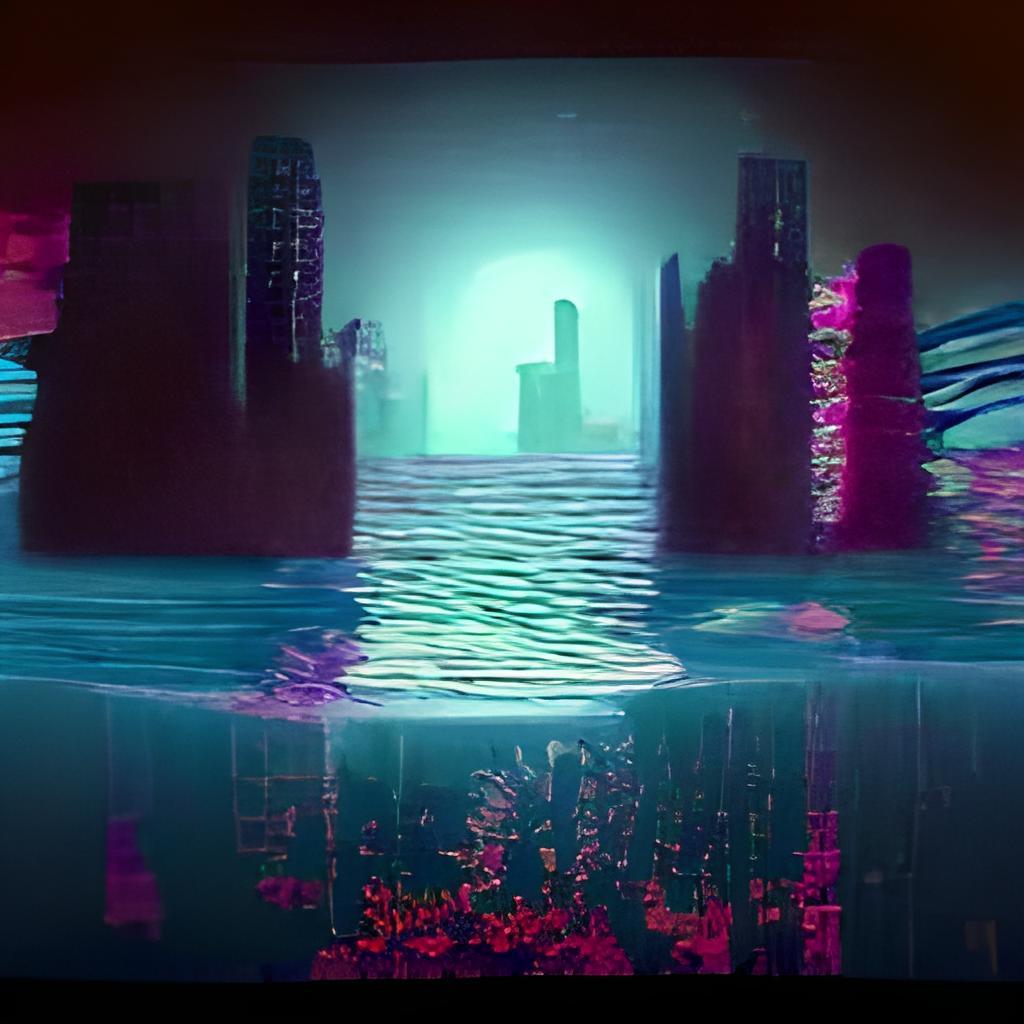
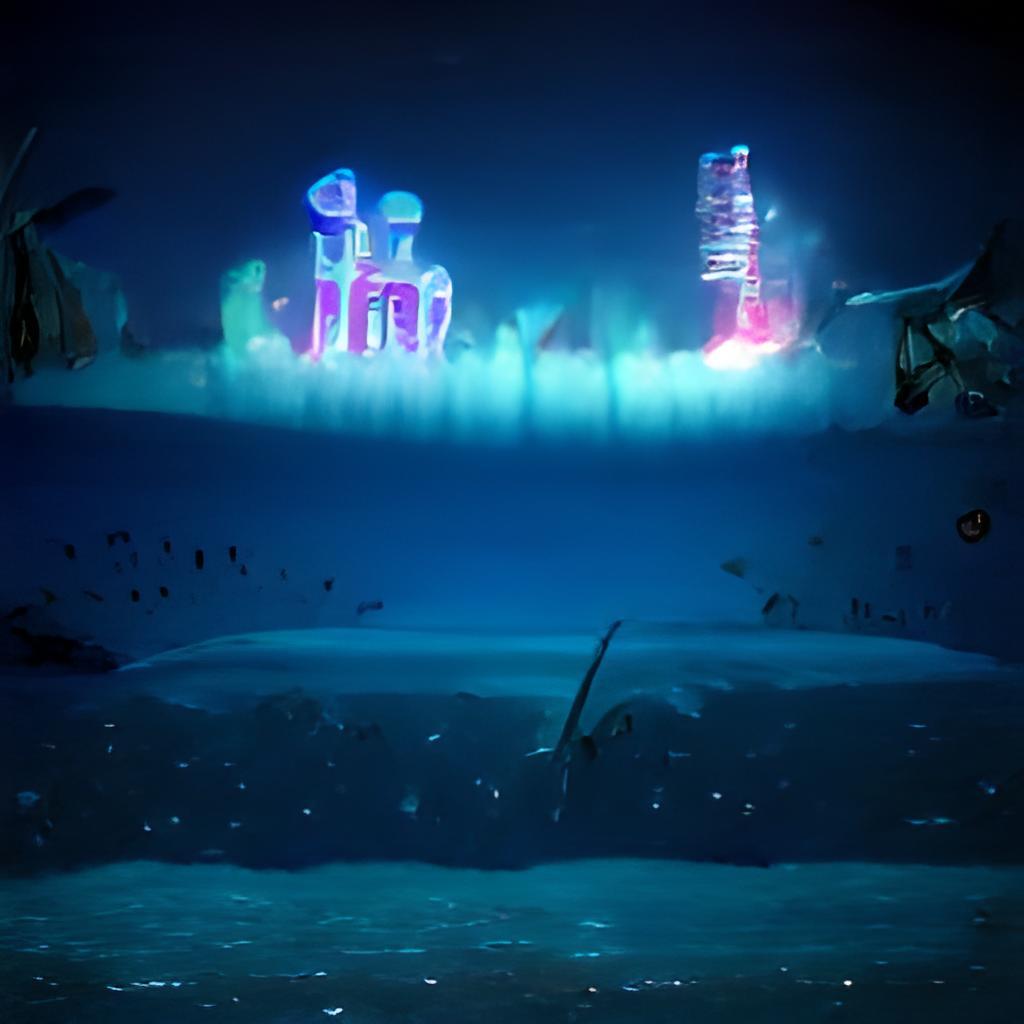
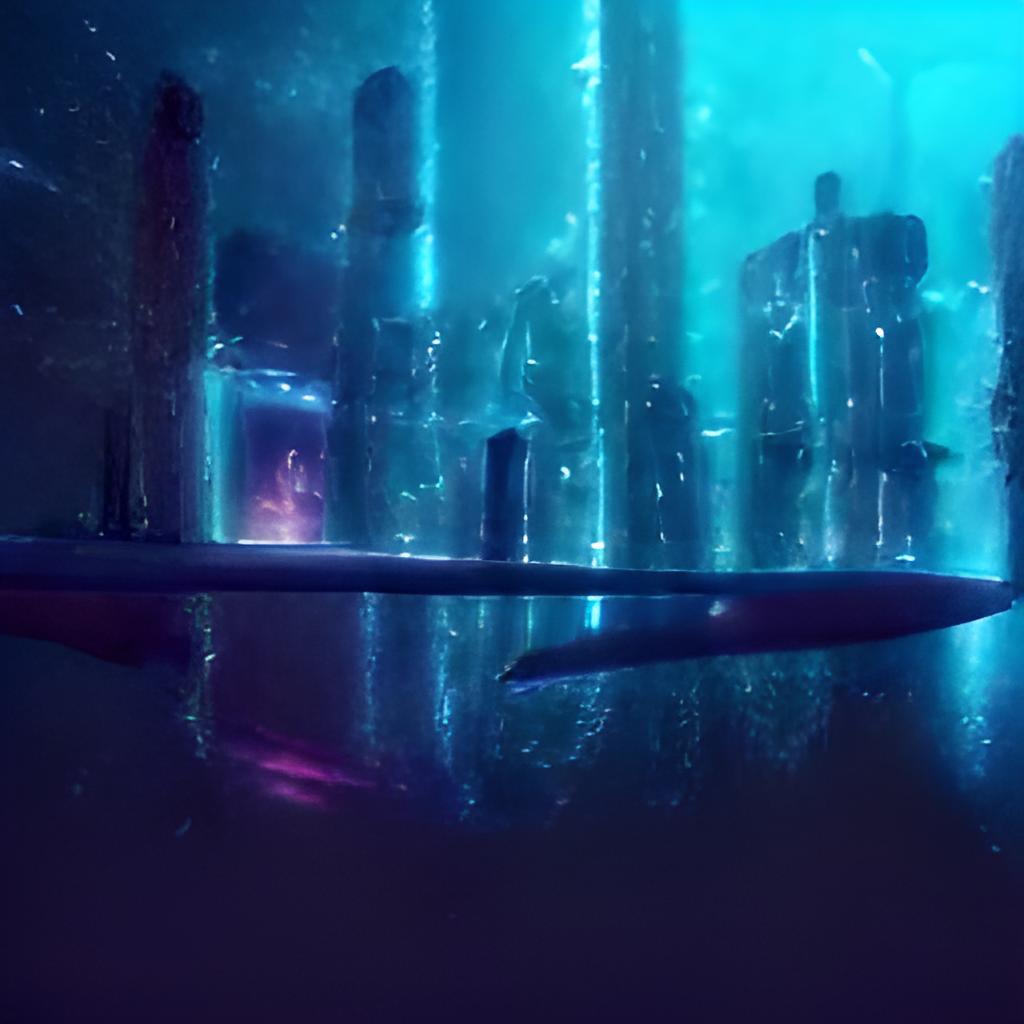
!dream ariel view + misty + pristine, 原神 #原神写真部 + octane render + trending on artstation + high detail, hyper realistic + unreal engine, glowing sea plants, giant fantasy kingdom, high tech, underwater
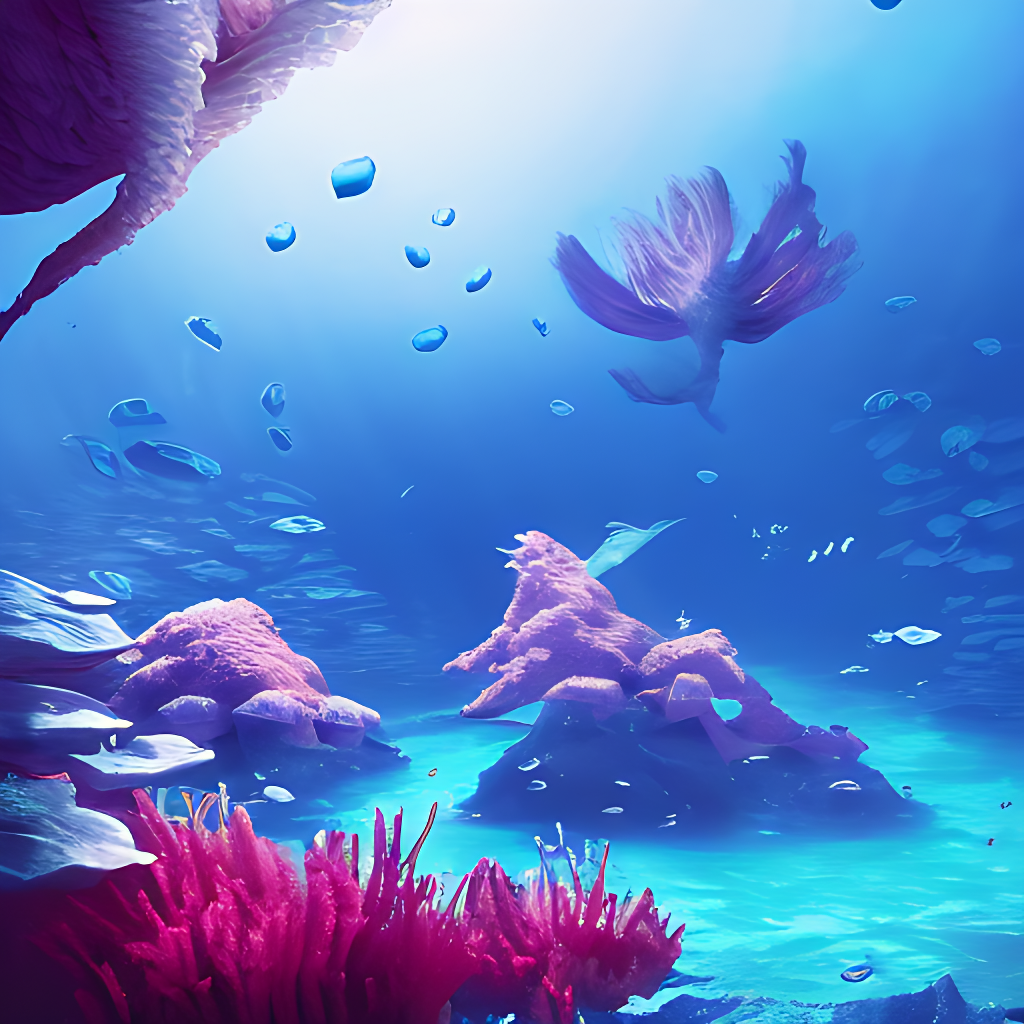
!dream ariel view + misty + pristine, 原神 #原神写真部 + octane render + trending on artstation + high detail, hyper realistic + unreal engine, glowing sea anemone, giant fantasy castle, high tech, underwater, dystopian
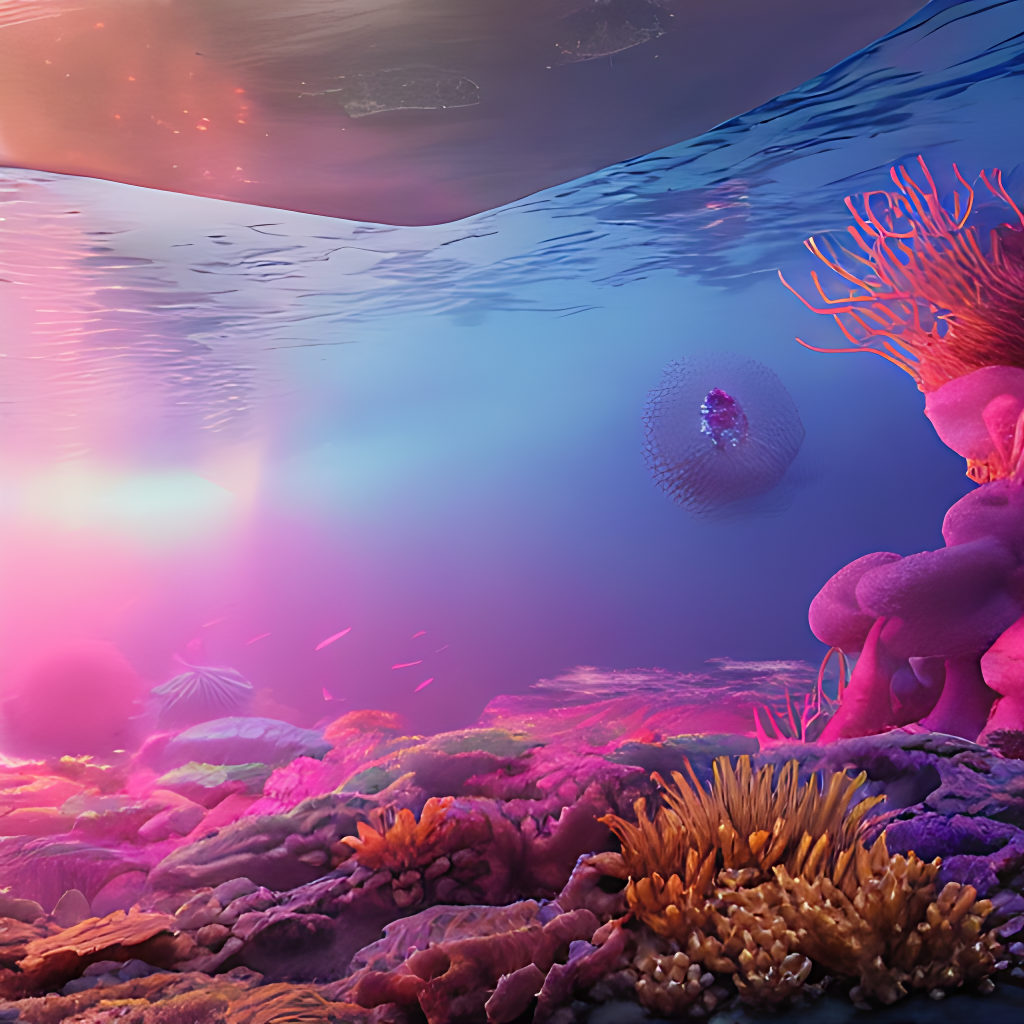
!dream ariel view + misty + pristine, 原神 #原神写真部 + octane render + trending on artstation + high detail, hyper realistic + unreal engine, glowing robotic sea anemone, giant fantasy castle, high tech, underwater, dystopian city
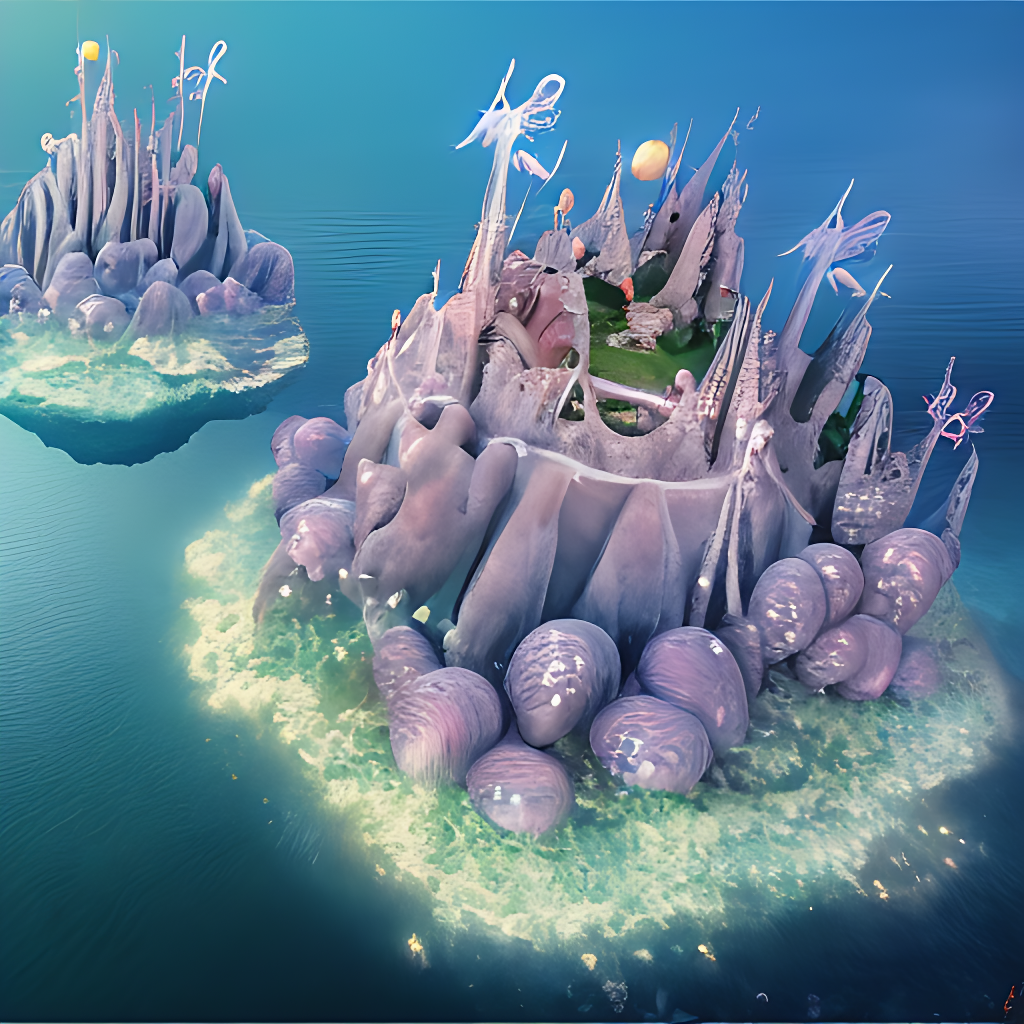
!dream New York city year 3000 underwater, 8k, unreal engine, large scale, sealife, coral, robots, metal, patina, Cinematic, Cinematic Lighting, sharp focus, Volumetric Lighting
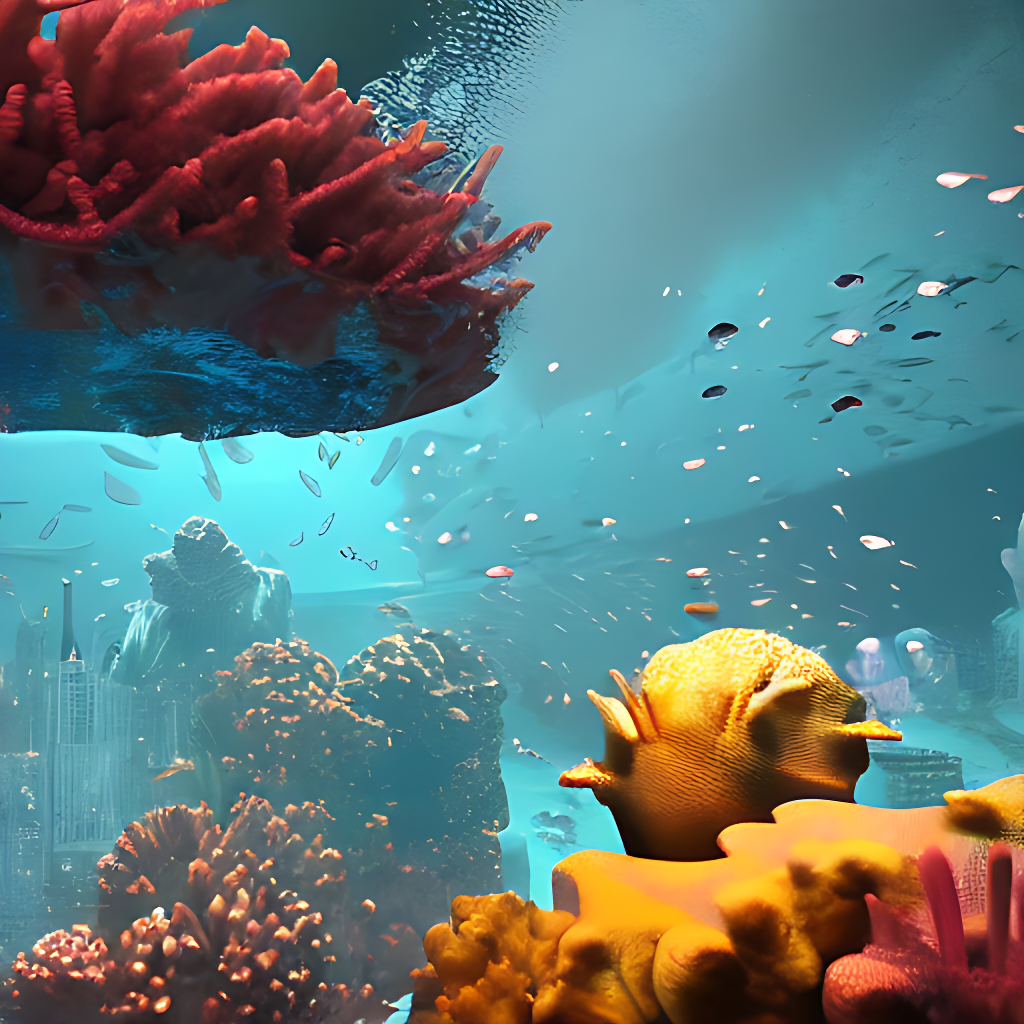
@ghostbuster
!dream discus fish made out of damascus metal underwater, 8k, ultra real, filmography, cybernetic, damascus scales, underwater, photorealistic, hyper-realistic
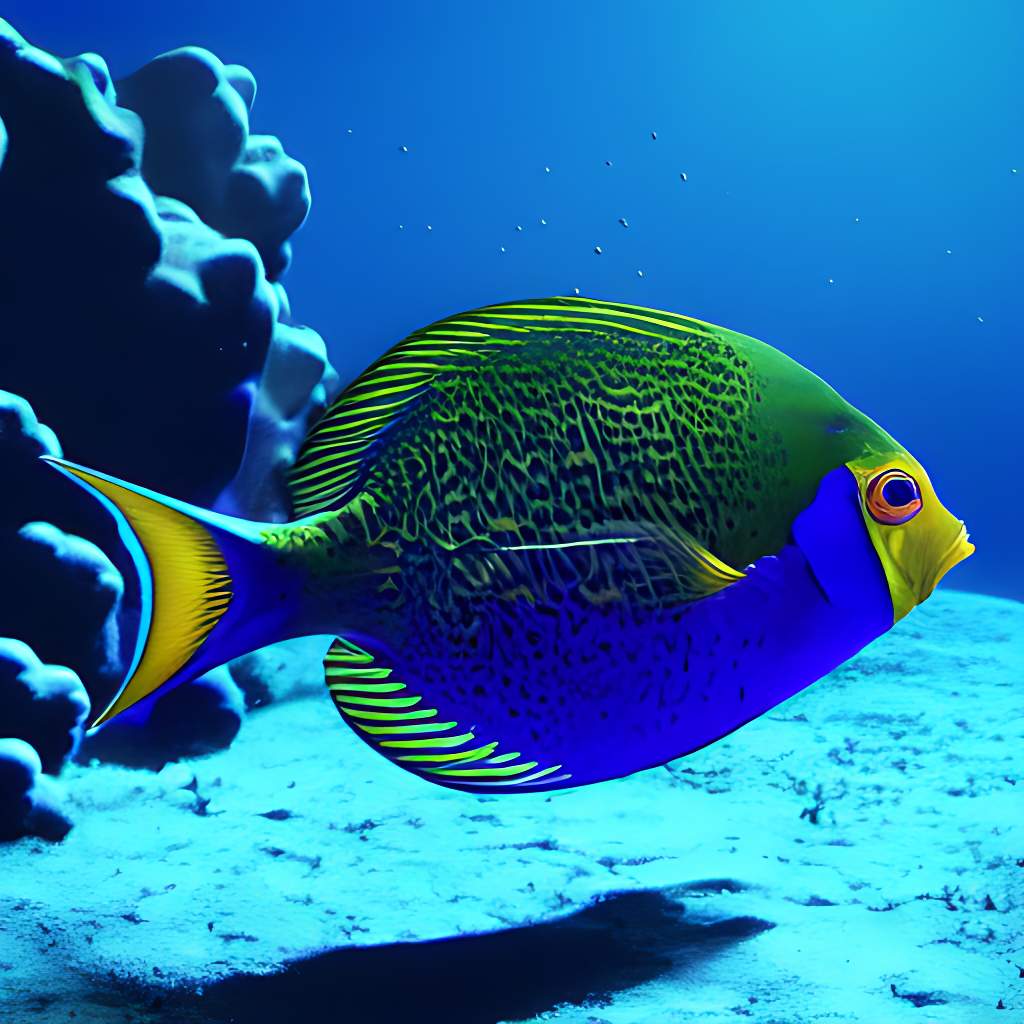
!dream discus fish made out of damascus metal underwater, 8k, ultra real, filmography, cybernetic, damascus scales, underwater, photorealistic, hyper-realistic, metalic
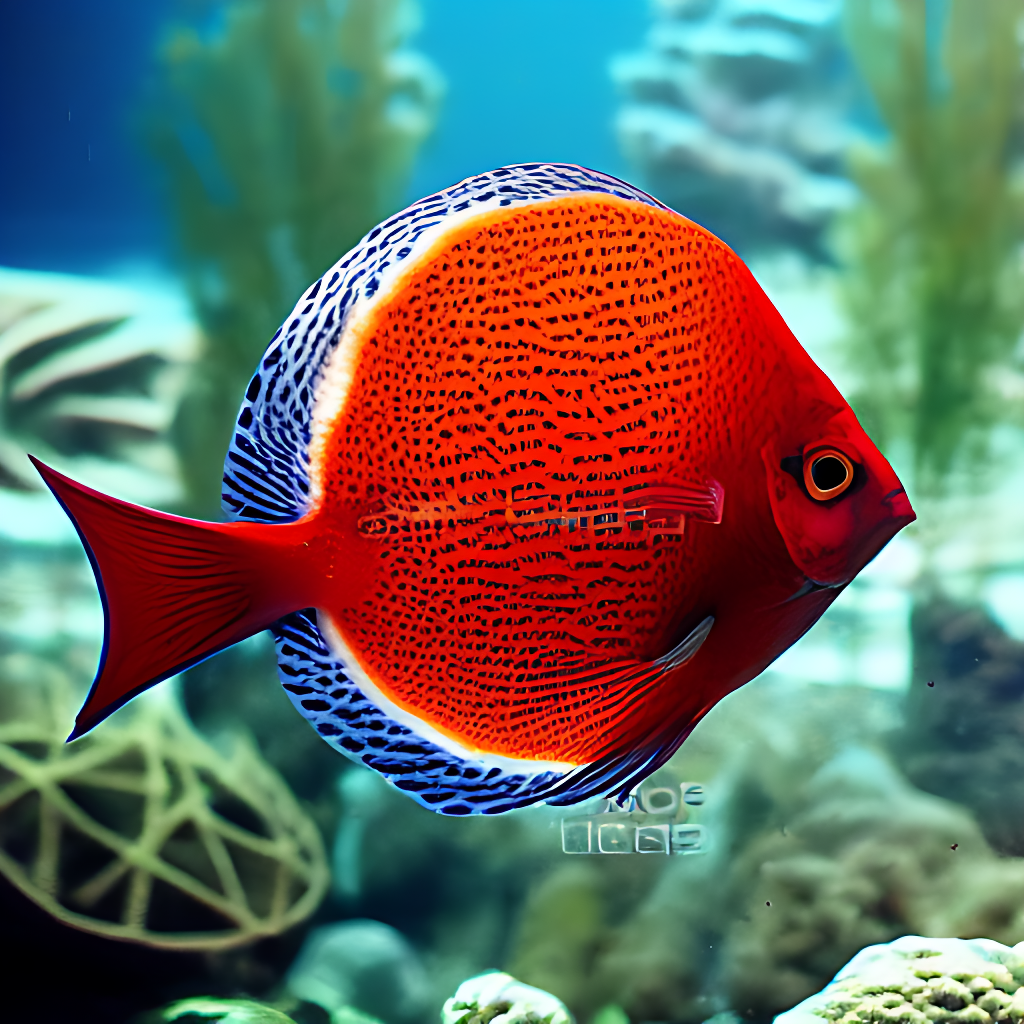
!dream discus fish made out of damascus steel underwater, 8k, ultra real, filmography, cybernetic, damascus scales, underwater, photorealistic, hyper-realistic, volumetric lighting
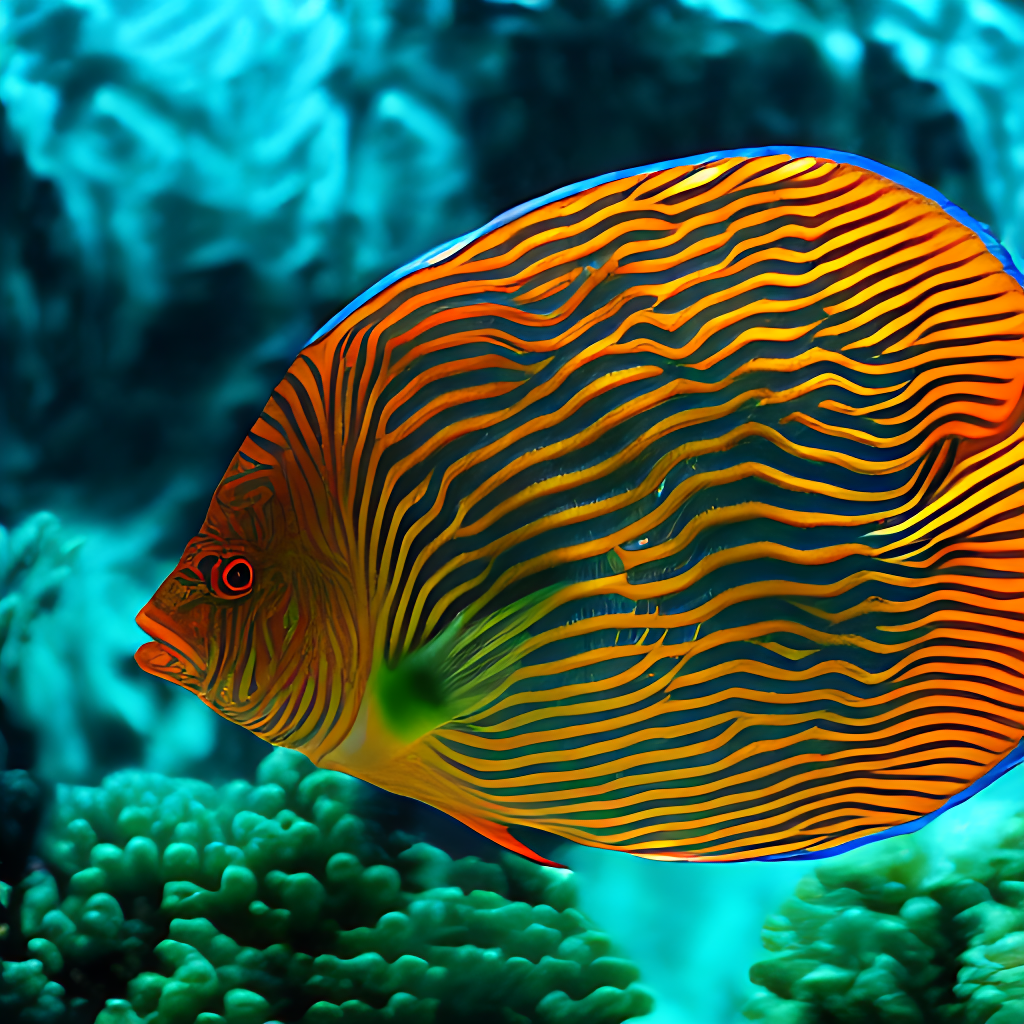
!dream cybernetic discus fish made out of damascus steel, 8k, ultra real, damascus scales, underwater, photorealistic, hyper-realistic, volumetric lighting
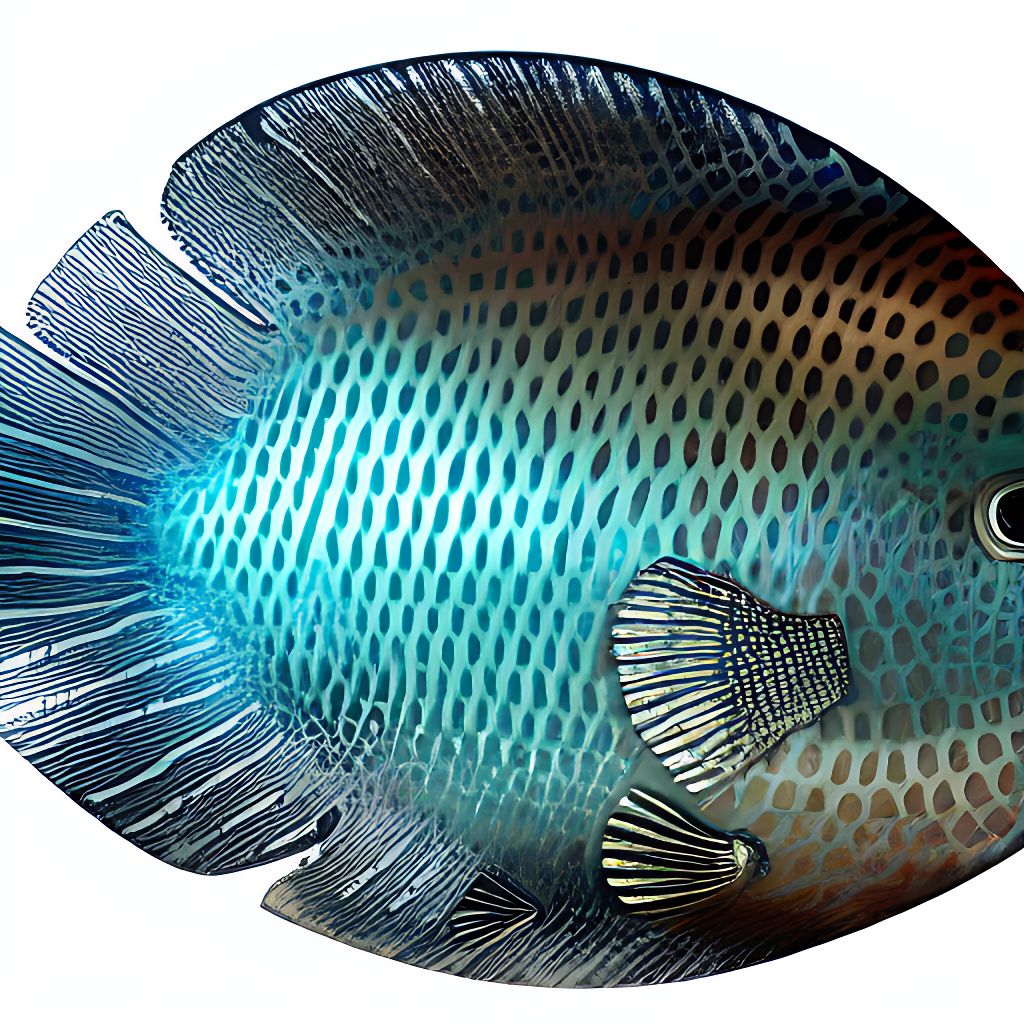
!dream cybernetic discus fish made out of damascus steel, 8k, ultra real, damascus scales, underwater, photorealistic, hyper-realistic, volumetric lighting
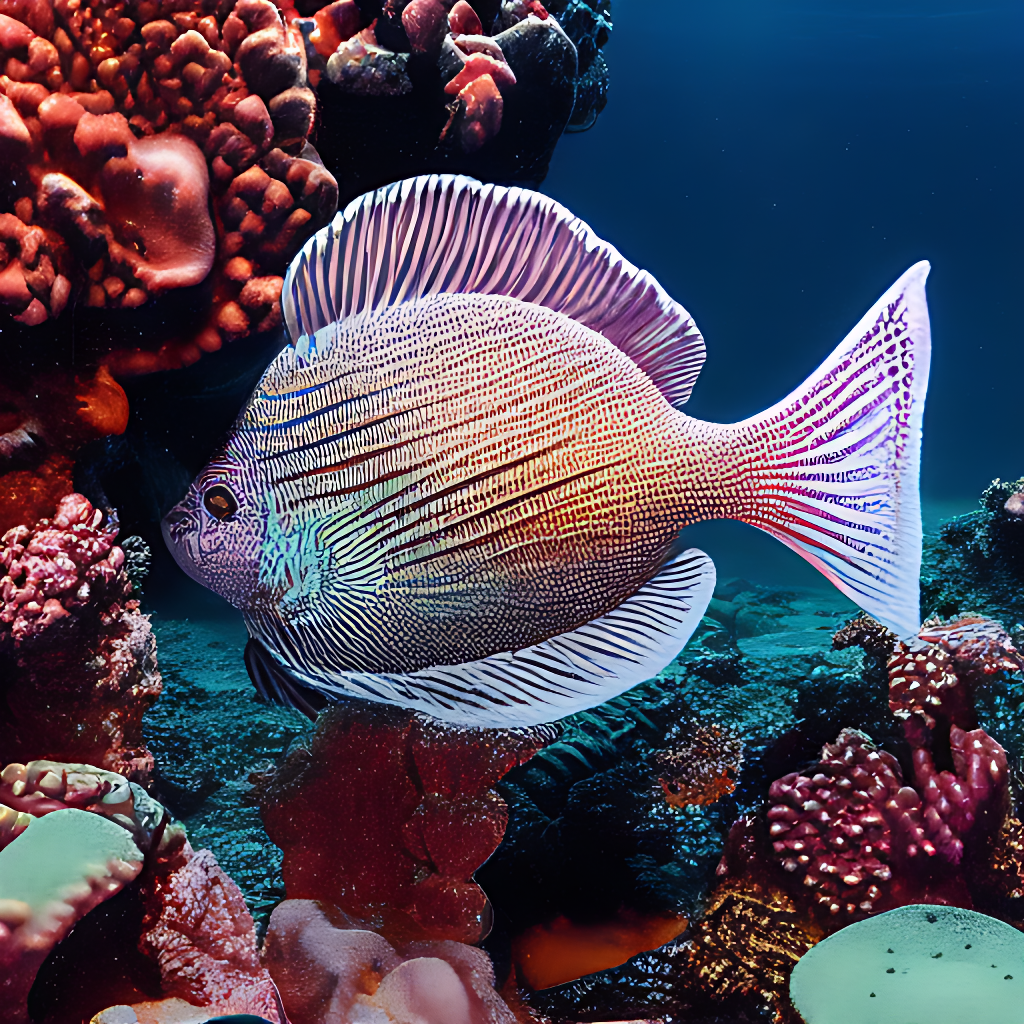
Ex nihilo nihil fit
!dream Ex nihilo nihil fit, Max Ernst, 8k, surreal, very very surreal, extreme detail
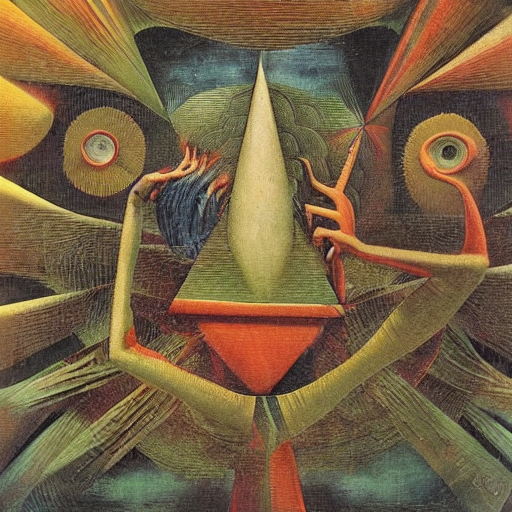
Encoding specificity principal
Extralist cues
!dream cybernetic character in boroque ball dress, album art, dolphin head, hyper real, ultra real, octane render, unreal engine, Sharp focus, extremely detailed, shot on 70mm, f/2.8, high contrast, 8k, Cinematic Lighting, Volumetric Lighting
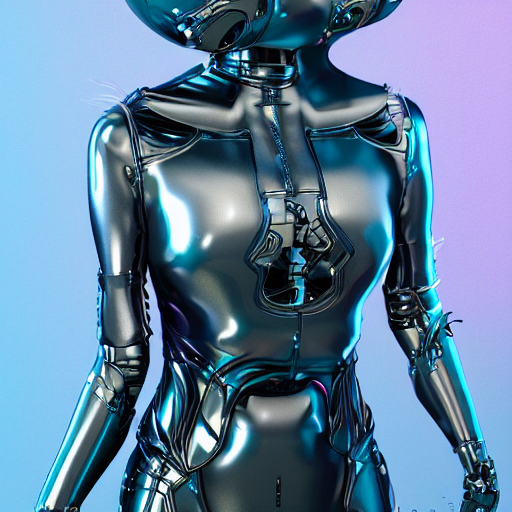
!dream cybernetic character in ruffle boroque ball dress, album art, dolphin head, hyper real, ultra real, octane render, unreal engine, Sharp focus, full frame, extremely detailed, shot on 70mm, f/2.8, high contrast, 8k, Cinematic Lighting, Volumetric Lighting
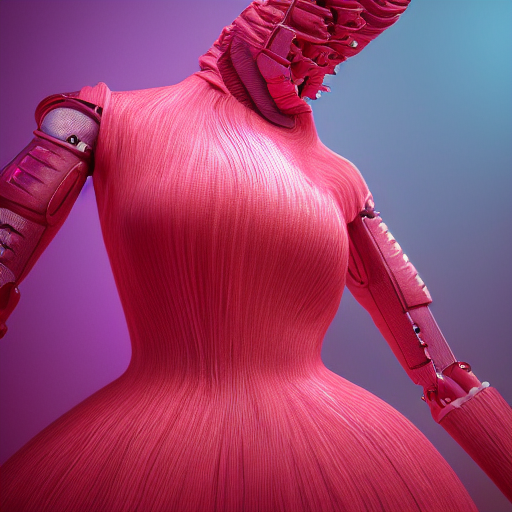
!dream cybernetic character in ruffle boroque ball dress, album art, dolphin head, hyper real, ultra real, octane render, unreal engine, Sharp focus, wide frame, Alessandro Trincone dress , extremely detailed, shot on 70mm, f/2.8, high contrast, 8k, Cinematic Lighting, Volumetric Lighting
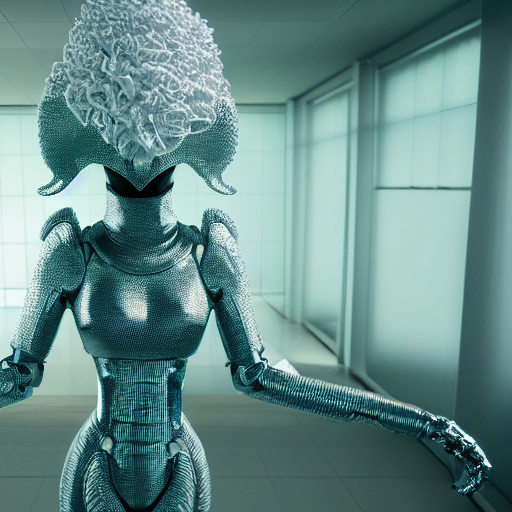
!dream cybernetic character in ruffle boroque ball dress, album art, dolphin head, hyper real, ultra real, octane render, unreal engine, Sharp focus, wide frame, Alessandro Trincone dress , puffy dress, extremely detailed, shot on 70mm, f/2.8, high contrast, 8k, Cinematic Lighting, Volumetric Lighting
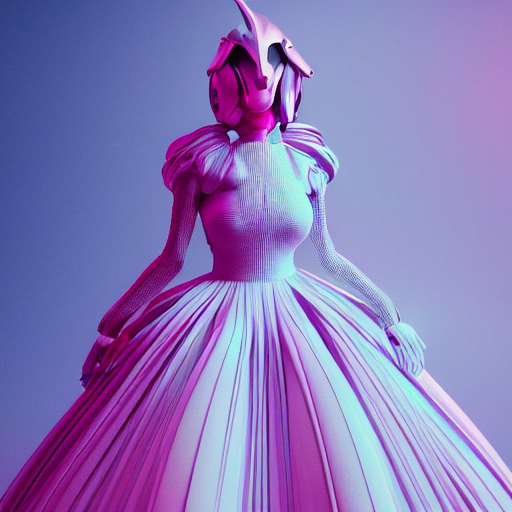
!dream cybernetic character in ruffle boroque ball dress, album art, dolphin head, hyper real, ultra real, octane render, unreal engine, Sharp focus, wide frame, dolphin, Alessandro Trincone dress , puffy dress, extremely detailed, shot on 70mm, f/2.8, high contrast, 8k, Cinematic Lighting, Volumetric Lighting
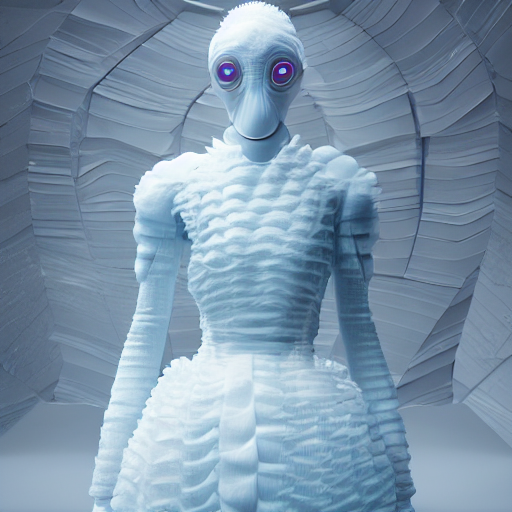
!dream cybernetic character in ruffle boroque ball dress, album art, dolphin head, hyper real, ultra real, octane render, unreal engine, Sharp focus, wide frame, dolphin, masculine, Alessandro Trincone dress , puffy dress, extremely detailed, shot on 70mm, f/2.8, high contrast, 8k, Cinematic Lighting, Volumetric Lighting
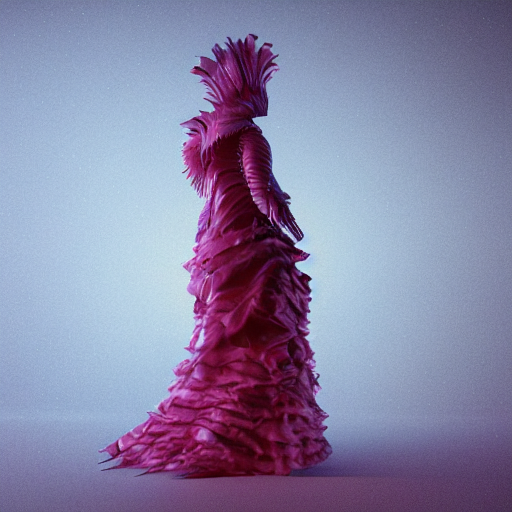
@neon can I find the seed for this?
!dream cybernetic character in ruffle boroque ball dress, album art, dolphin head, hyper real, ultra real, octane render, unreal engine, Sharp focus, wide frame, dolphin, masculine, Alessandro Trincone dress , puffy dress, extremely detailed, shot on 70mm, f/2.8, high contrast, 8k, Cinematic Lighting, Volumetric Lighting --seed 738288372
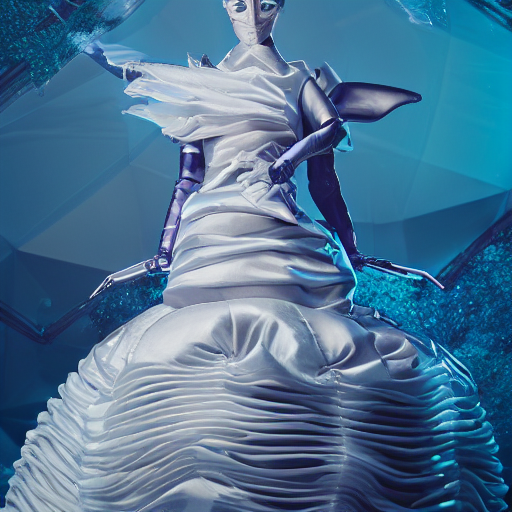
Ty
!dream cybernetic character in ruffle boroque ball dress, album art, dolphin head, hyper real, ultra real, octane render, unreal engine, Sharp focus, wide frame, dolphin, masculine, Alessandro Trincone dress , puffy dress, extremely detailed, shot on 70mm, f/2.8, high contrast, 8k, Cinematic Lighting, Volumetric Lighting --seed 520500901 -var -n 6
!https://img.ktt2.com/ai-1663254859278114188-520500901.png:170 !https://img.ktt2.com/ai-1663254859279214188-3374112266.png:170 !https://img.ktt2.com/ai-1663254859279314188-3039693964.png:170 !https://img.ktt2.com/ai-1663254859279414188-4145561343.png:170 !https://img.ktt2.com/ai-1663254859279514188-576506570.png:170 !https://img.ktt2.com/ai-1663254859280614188-4219340761.png:170 ``
!dream cybernetic character in ruffle boroque ball dress, album art, dolphin head, hyper real, ultra real, octane render, unreal engine, Sharp focus, wide frame, dolphin, masculine, very masculine, Alessandro Trincone dress , puffy dress, extremely detailed, shot on 70mm, f/2.8, high contrast, 8k, Cinematic Lighting, Volumetric Lighting --seed 520500901 -var -n 6
!https://img.ktt2.com/ai-1663255116107114188-520500901.png:170 !https://img.ktt2.com/ai-1663255116107214188-3374112266.png:170 !https://img.ktt2.com/ai-1663255116108314188-3039693964.png:170 !https://img.ktt2.com/ai-1663255116108414188-4145561343.png:170 !https://img.ktt2.com/ai-1663255116108514188-576506570.png:170 !https://img.ktt2.com/ai-1663255116108614188-2149445085.png:170 ``

!dream cybernetic character in ruffle boroque ball dress by ernst haeckel, album art, dolphin head, hyper real, ultra real, octane render, unreal engine, Sharp focus, wide frame, dolphin, masculine, Alessandro Trincone dress , puffy dress, extremely detailed, shot on 70mm, f/2.8, high contrast, 8k, Cinematic Lighting, Volumetric Lighting --seed 738288372
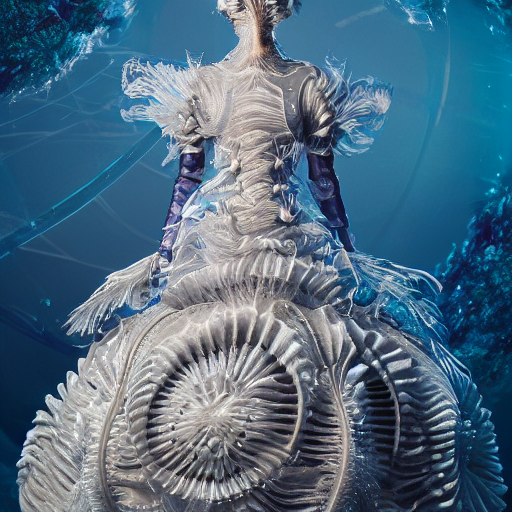
!dream cybernetic character in ruffle boroque ball dress by ernst haeckel, album art, dolphin head, hyper real, ultra real, octane render, unreal engine, Sharp focus, wide frame, dolphin, masculine, Alessandro Trincone dress , puffy dress, extremely detailed, shot on 70mm, f/2.8, high contrast, 8k, Cinematic Lighting, Volumetric Lighting --seed 738288372 -var -n 6
!https://img.ktt2.com/ai-1663283351297114188-738288372.png:170 !https://img.ktt2.com/ai-1663283351299214188-4185610249.png:170 !https://img.ktt2.com/ai-1663283351300314188-3335141678.png:170 !https://img.ktt2.com/ai-1663283351301414188-103239678.png:170 !https://img.ktt2.com/ai-1663283351301514188-1658212648.png:170 !https://img.ktt2.com/ai-1663283351302614188-2014022208.png:170 ``
@Very_Based
They are pretty nice, I'm glad u like them people I show outside of ktt are pretty indifferent
"Clarity is learned by being patient in the presence of chaos.
Tolerating disarray, remaining at rest, gradually one learns to allow muddy water to settle and proper responses to reveal themselves."
"Having little, you can receive much. Having much, you'll just become confused."
"Nature is sparing with speech:
"Concentrate on power and you'll experience power. Concentrate on loss and you'll experience loss."
"The best lock has no bolt, and no one can open it.
The best knot uses no rope, and no one can untie it."
"If you try to grab hold of the world and do what you want with it, you won't succeed.
The world is a vessel for spirit, and it wasn't made to be manipulated. Tamper with it, and you'll spoil it. Hold it, and you'll lose it."
"die without dying, and you'll endure forever."
"When a wise person hears Tao, he practices it diligently.
When an average person hears Tao, he practices it sometimes, and just as often ignores it. When an inferior person hears Tao, he roars with laughter. If he didn't laugh, it wouldn't be Tao.
Thus the age-old sayings:
The way to illumination appears dark.
The way that advances appears to retreat.
The way that is easy appears to be hard.
The highest virtue appears empty.
The purest goodness appears soiled.
The most profound creativity appears fallow.
The strongest power appears weak. The most genuine appears unreal.
The greatest space has no corners.
The greatest talent matures slowly.
The greatest voice can't be heard.
The greatest image can't be seen."
"That without substance can penetrate where there is no space"
"Knowing what is enough is freedom."
"Know that enough is enough, and you'll always have enough"
"Prolonging life is not harmonious. Coercing the breath is unnatural.
Things which are overdeveloped must decay."

"Moving from knowing to not knowing
this is good.
Moving from not knowing to knowing
this is sickness.
You have to become sick of your sickness before you can get rid of it.
The sage isn't sick.
He's sick of his sickness.
Therefore he's not sick."
Well now it's discovered
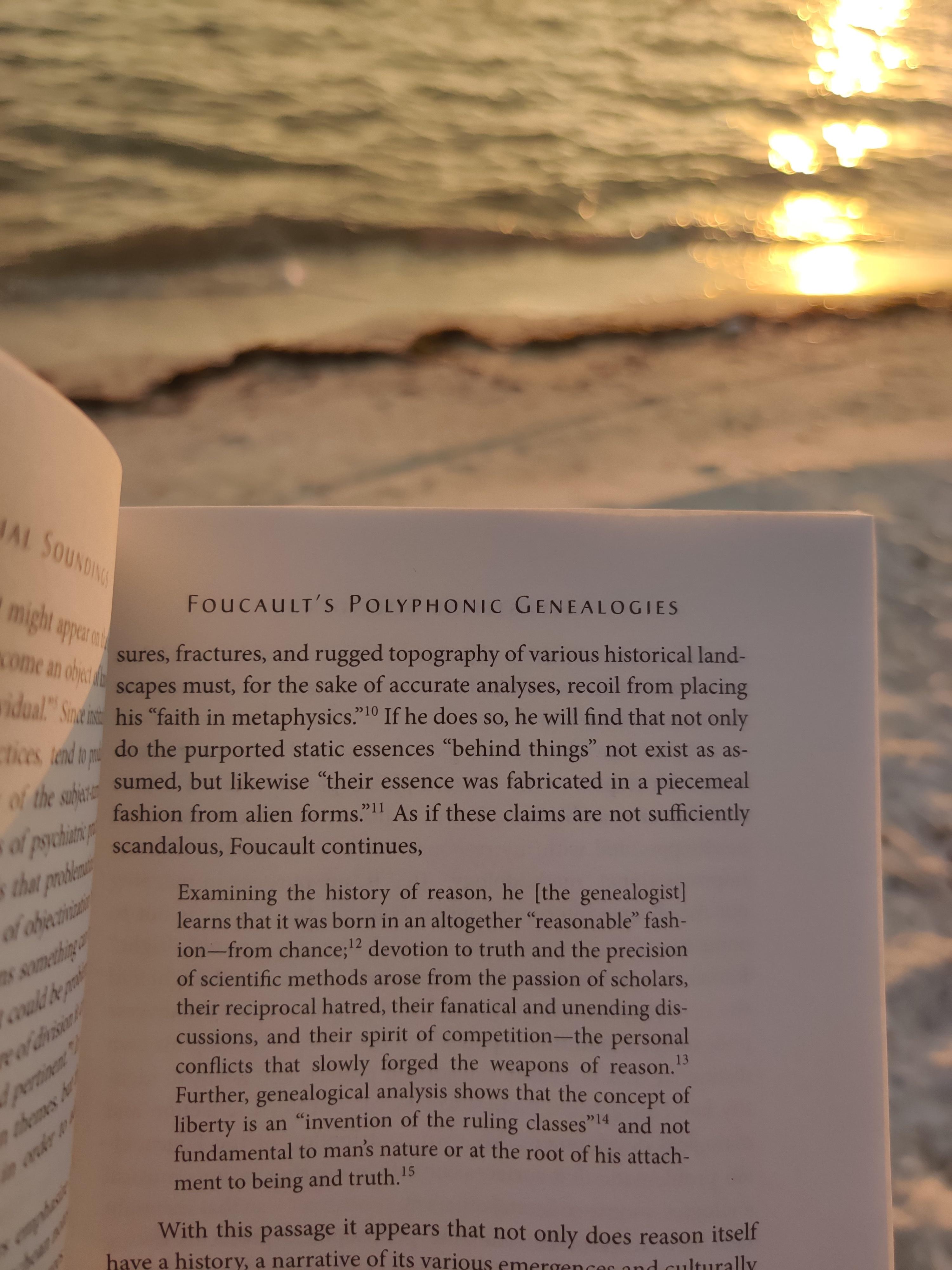
The sea is vast...
Many things to see, more to do.
Virtually Limitless.
Don't loose it to the self.
It's like coming out of a thunderstorm riding on Lugia with 16 bit graphics
@Womanpuncher69
Thoughts?
What is the correlation between think and intelligence?
"As a unifying discourse the literary standpoint is also flawed. Its chief problem is its inability to exit from the self-created prison of the text. Here the answer to the Cartesian dilemma of doubt is a singular moment of certainty: there is text. This moment rapidly gives way, however, to the redoubt that the conclusion is a textual strategy In the end, there is nothing outside of text, and most cogently, no promise of anything we might call a science. As a human scientist one could scarcely take an interest in poverty, conflict, the economy, history, government, and so on, for these are but terms lodged within a textual-rhetorical history. There is no social critique to be made, nothing to resist, nothing to champion, and, indeed, no action to be taken, for the very idea of "action to be taken" is an extension of linguistic convention. In addition to the unrelievable torpor invited by such a conclusion, literary-rhetorical analysis in its pure form can offer no account of human communication. Not only is doubt cast on the very idea of communication (it is simply a term within texts), but if we understand only through linguistic convention, there is no means of comprehending anyone who does not participate in the same conventions. In effect, authen- tic understanding can only take place with someone who is identical to oneself. "
"The terms and forms by which we achieve understanding of the world and ourselves are social artifacts products of historically and culturally situated interchanges among people. For constructionists, descriptions and explanations are neither driven by the world as it is, nor are they the inexorable outcome of genetic or structural propensities within the individual. Rather, they are the result of human coordination of action. Words take on their meaning only within the context of ongoing relationships. They are, in Shotter's (1984) terms, the result not of individual action and reaction but of joint-action. Or, in Bakhtin's (1981) sense, words are inherently "inter individual." This means that to achieve intelligibility is to participate in a reiterative pattern of relationship, or if sufficiently extended, a tradition t is only by virtue of sustaining some form of past relationship that we can make sense at all. And in this way, intelligible accounts of the world and the self are everywhere and at all times constrained."
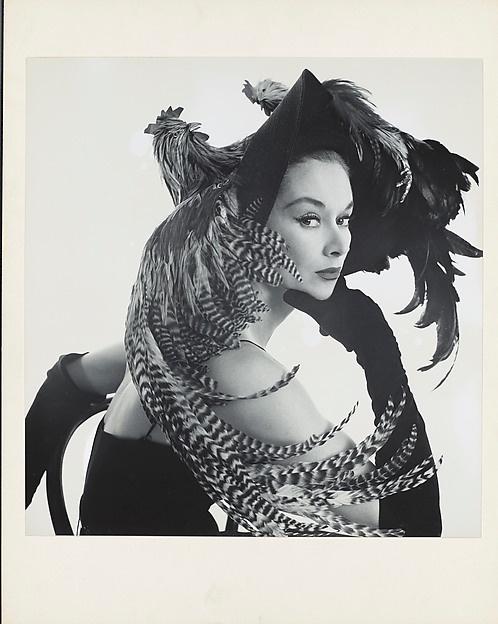

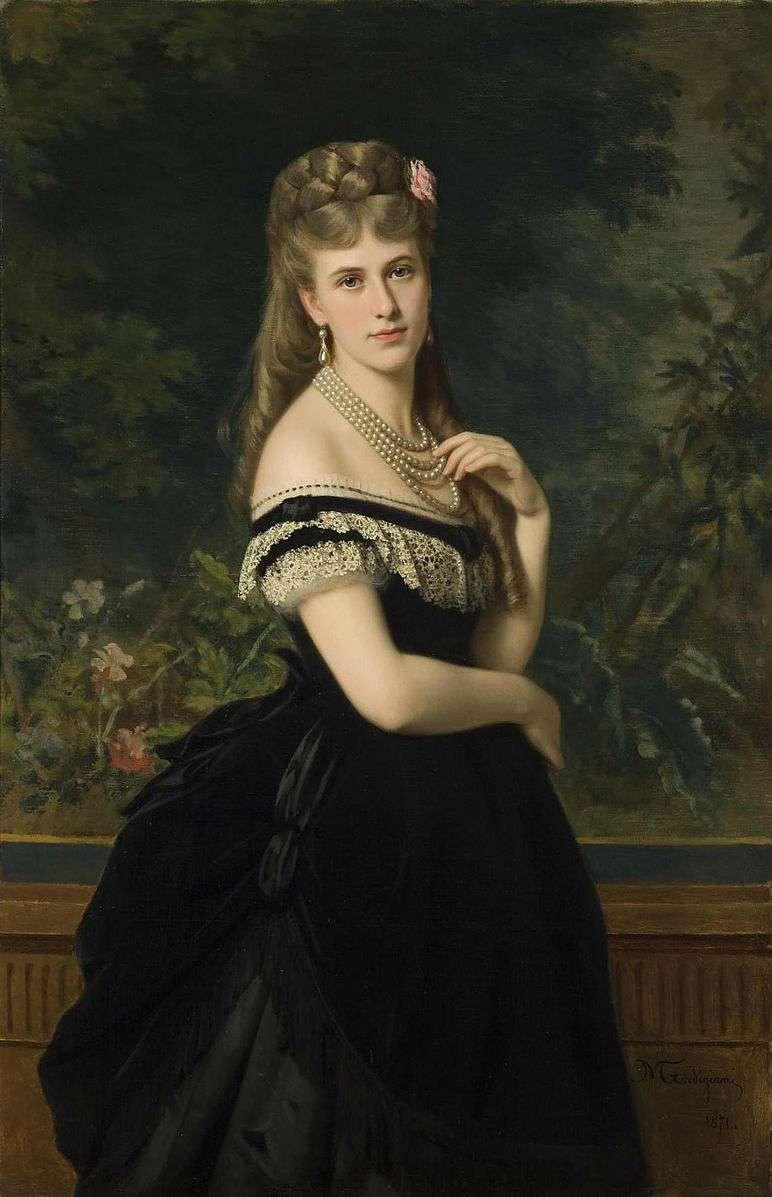
"In the same way, scientific enclaves reach conclusions that carry the sense of transparent objectivity. By selecting certain configurations to count as "objects," "processes," or "events," and by generating consensus about the occasions upon which the descriptive language is to apply, a conversational world is formed of which the sense of "objective validity" is a byproduct (Shotter 1993b). Thus, as scientists we may come to agree that on certain occasions we shall call various configurations "aggressive behavior," "prejudice," "unemployment," and so on, not because there simply is aggression, prejudice, and unemployment "in the world" but because these terms allow us to index various configurations in ways that we find socially use- ful. It is thus that communities of scientists can reach consensus, for exam- ple, about "the nature of aggression," and feel justified in calling such conclusions "objective." However, cut away from the social processes responsible for establishing and negotiating reference, the conclusions lapse into mere formalisms."
"A premium is thus placed on the critical evaluation of various intelligibilities from exterior positions, exploring the impact of these intelligibilities on the broader forms of cultural life. What does the culture gain or lose if we constitute the world in the terms of the economist, the military strategist, the ecologist, the psychologist, the feminist, and so on? How is cultural life improved or impoverished as the vocabularies and practices of these communities expand or proliferate? This is not to privilege the evaluation over the intelligibilities and practices in question; the moral or political lament, for example, does not constitute the "final word" on such matters. However, because such evaluations are essentially outgrowths of other communities of meaning-other ways of life-it is to open the door to a fuller interweaving of the disparate communities of meaning. If evaluations can be communicated in ways that can be absorbed by those under scrutiny, relational boundaries are softened.
As the otherwise alien signifiers interpenetrate, so do otherwise alien communities begin to cohere. Evaluative dialogue, then, may constitute a significant step toward a humane society."
Technology is inherently biological
I inputted the phrase into the ai and it spit this out.
"Technology can be seen as an extension of human biology, as it is often designed and created by humans to meet specific needs and desires. However, technology is not inherently biological in the sense that it is not a living organism. Rather, it is a tool or system that is created and used by living beings, such as humans, to perform tasks or accomplish goals.
Technology can also be seen as a way for humans to augment or extend their biological capabilities. For example, eyeglasses allow people to see more clearly, and hearing aids allow people to hear more clearly. These technologies allow people to better utilize their biological senses, and can enhance their overall functioning and quality of life."
It allows us to diversify in ways that may be seen as "non biological", but due to it coming from biological underpinnings it still is just methods for biological diversification to occur just at faster rates than previously.
But that doesn't mean that the results are not biological.
From the ai
"In the context of life diversifying, technology can be seen as a way for living beings, including humans, to adapt and evolve in response to their environment. Technology allows living beings to develop new tools, systems, and methods for interacting with and manipulating their environment, which can help them to survive and thrive in new and challenging situations.
For example, the development of agriculture allowed humans to cultivate and grow their own food, which allowed them to settle in one place and form communities. This, in turn, allowed humans to develop new technologies, such as writing and the wheel, which further expanded their capabilities and allowed them to diversify and adapt in new ways.
Similarly, the development of transportation technologies, such as cars and airplanes, has allowed humans to travel and explore new areas, which has allowed them to adapt to and thrive in a wide range of environments. Technology has also allowed humans to communicate and connect with other living beings in new and innovative ways, which has further facilitated the exchange of ideas and the sharing of knowledge and resources.
Overall, technology can be seen as a way for living beings, including humans, to diversify and adapt to their environment in new and innovative ways. While technology is not itself a living organism, it is a tool that is created and used by living beings to accomplish specific goals and to adapt to their environment."
So what I'm saying is that while technology has the ability to breaks the mold of what we colloquially define as human that isn't inherently a bad thing. Life enshrouds human and diversification that occurs outside of our typical scope will now be made possible by technology allowing individuals to niche of in ways that allow for further specialization, something that Is occuring due to increased population and competition for similar resources. Just thinking about specialization within career paths and the mental archetypes that come forth from those paths. Technology just further enables that and will enable diversification beyond the scope of the career. Physiological changes that radically alter the "human" experience are on the horizon and that isn't necessarily a bad thing, it just is simply the progression of life itself occuring rapidly to account for a rapidly changing environment.
🐟 👽
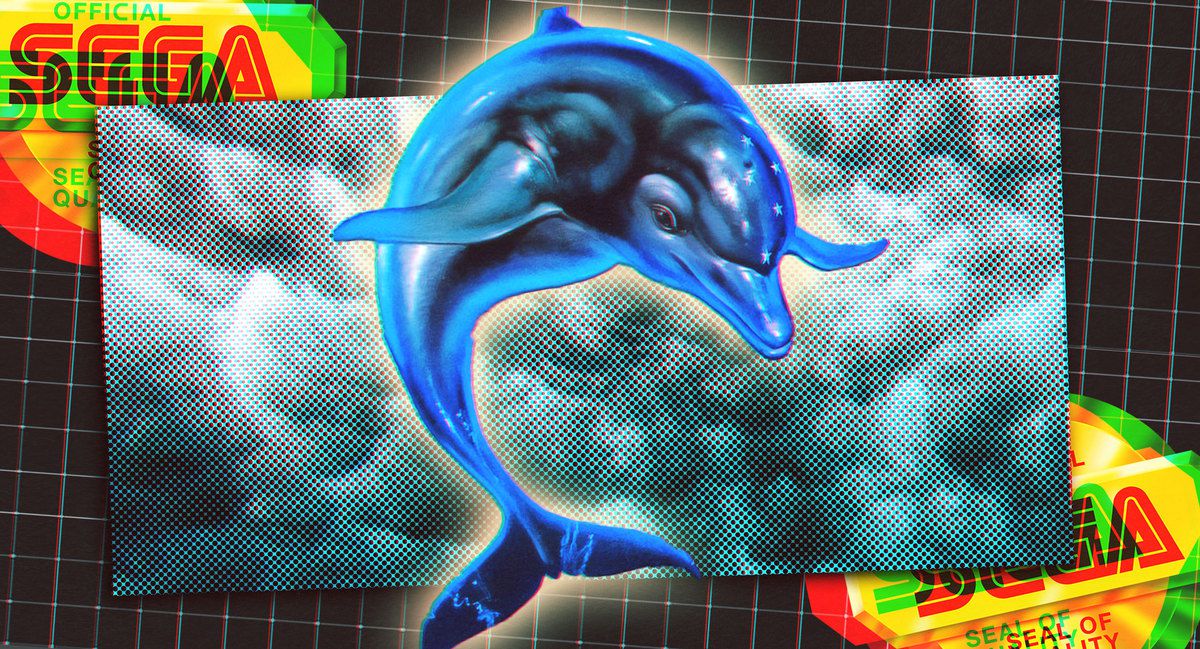
The Eerie, Influential Afterlife of ‘Ecco the Dolphin’
When we having the conference?
Post #400
🐟 👽 Thread getting moved outta misc 2023 I feel it
Feel the ocean breeze
Spanish girl and I got her on her knees
She from south America yeah she a 10
You can't see her golden eyes behind these Gucci lense
Yeah I'm getting money
Fucked her past tense
Music banging loud
And let's pass this
I'm really fucking high in my defense
Yeah she tryna fuck I can see the pretense
He already down bad why you grieve him
She already got his money now he tries to leave him
Money regenerates like a zebra
Fish scale on my back like a blade
Don't get impaled
I ain't buy pussy even if it's on sale
Got a nini and I just took her to Zales
I was healthy all I had was kale
Now I'm on some nasty shit, I need some kale
Feel the ocean breeze
Spanish girl and I got her on her knees
She from south America yeah she a 10
You can't see these golden eyes behind these Gucci lense
Feel the ocean breeze
Spanish girl and I got her on her knees
She from south America yeah she a 10
You can't see her golden eyes behind these Gucci lense
I do not fucking care
Everything I do is fucking real
Bitch I'm chilling in my mfkin layer
New whip and they staring at the lear
I'm miles past all my mfkin peers
I'm at the beach and I'm fishing off a pier
All love my life, so great if you don't that shit weird
I lost some people yeah, I had to shed some tears
@KundaliniMeanie
Need a proofread
"Consider now a second line of rebuttal, one that rejects the premises of the critique of difference. In previous chapters I have set constructionism against the traditional view of language, upon which the present critique depends for its intelligibility. I have outlined profound problems inhering in the view that language is an instrument for bearing truth, on the one hand, and rational thought on the other. The constructionist is more likely to favor a pragmatic view of language, one in which the meaning of terms or propositions is dependent on its social usage. On this account, to say that another system of meaning differs from one's own is to assert that the composite of meaning-making conditions across different groups, times, and language histories is not identical. To reach agreement regarding the similarity of propositions or rationalities, then, is always a local achievement, and this achievement is no less relevant to matters of daily life than it is to scholarly argument. That is, academic assertions about the similarities and differences in meaning systems are themselves discursive achievements. And in the present context, assertions to the effect that Aristotelian physics dif- fers from Newtonian physics and that the Western conception of magic differs from that of the Szondi are more easily demonstrated than assertions about their identity. Differences can be convincingly demonstrated by con- temporary standards with a mere show of texts or practices; in contrast, to declare an identity requires arduous interpretive work. Constructionist declarations of contextual differences are not then grounded in empirical fact, but are simply more congenial to our contemporary forms of argumentation than their opposite. Most important, rather than reach an impasse of indeterminacy, the outcome of such arguments for the human sciences is a substantial broadening and enrichment of practices."
"To illustrate, theoretical stability favors pattern maintenance among scientists. What this effectively means is that the range of interesting or compelling predictions will also be delimited. Refinements and derivations will demand attention, but not "factual domains" outside the circumscribed ontology. For example, to the extent that psychological theories of perception remained "bottom-up," as they did for many years, scientists paid exclusive attention to the effects on perception of variables in the stimulus world. The more recent development of "top-down" formulations generated interest in genetic antecedents of perception, in the possibility of native proclivities. With the shift in theoretical perspective, from environmentalism to nativism, new research challenges emerged. With regard to the effects of theoretical discourse on cultural practice, theories of well-being primarily concerned with psychological processes such as psychoanalysis and cognitive therapy) have led to an almost exclusive concern with individual actions. Aberrant behavior is the result of problematic psychological processes, and treatment is directed at the defective individual. Yet, as theories of social systems enter into the vocabulary of the scientist (and thus into the culture more generally), we gain the option of viewing an individual's problems within the context of defective groups, families, educational systems, economic institutions, and the like. In effect, to remain in the phase of normal science is to circumscribe the of prediction, delimit the possibilities for solving problems, and reduce the opportunity for realizing human potential."
We may thus envision the scientific process as composed of two opposing tendencies. The first opts toward stabilizing meaning systems, sharpening prediction, and affirming traditional values. In Bakhtin's (1981) sense, meanings move in a centripetal direction, toward uniformity and exclusion. The second aims toward a transformation in which established patterns and values are challenged and the range of available alternatives, within both science and society, is broadened. A centrifugal thrust is set in motion, unsettling convention and admitting new discourses. Under conditions of stabilization, the optimal criteria of theoretical evaluation differ from those under conditions of transformation. Stabilization favors theories that lead to maximum social coordination and value articulation. But when transformation has priority, the theorist may approach the borders of absurdity, unsettling the sedimented presumptions, and arguing critically and audaciously At the same time, successful moves toward transformation will, in the end, give way to stabilization. As the audacious becomes commonplace, the metaphoric becomes literal, value possibilities are realized in new institutions, and transformational theory becomes normalized. Ideally, the human sciences should move through periods of stabilization, decay, challenge, growth, and subsequent stabilization. Although our theories do not thus move inexorably toward greater fidelity with nature and we come no nearer to "truth" through this process, we do offer to the culture an increasing range of predictive capacities and, most important for the human sciences, an increasing range of intelligibilities and practices."
"It is largely for these reasons that many scholars today find the modernist conception of human functioning morally vacuous. The view of the ideal individual as empiricist-scientist is one that leaves the individual with no sense of ethical direction, no means of evaluating right and wrong, and no motive for challenging the status quo. The scientist qua scientist has no moral standpoint. Scientists may generate knowledge of sophisticated weapons systems, but there is nothing in science itself that admonishes (or invites) their use. The only means by which good actions can be guaranteed, from this standpoint, is through socialization and education-essentially by stamping them in. Thus, questions of value are always solved at a one-step remove from the individual actor. The single individual is destined to act as others have designed, and they in turn as still others have dictated. At no point is unfettered deliberation of the good made possible. Nor is it clear what useful outcomes would be achieved through such consideration, since there are no standards of "the good" necessarily favored by empirical study, no means of deriving what should be from what is. Questions of value are, in effect abnegated."
- Realities and Relationships, Sounds in Social Construction. Kenneth J Gergen
He is spitting venom
"There is nothing about commitment to a theory of morality that produces a moral life, and nothing about a decent and fulfilling life that demands a moral language as accompaniment. Moral principles are related to action only by virtue of the social conventions in which one participates."
"When a real world is to be reflected by a mental world and the only means of determining the match is via the mental world, then the real world will always remain opaque and the relationship between the two inexplicable."
"Consider the empiricist alternative. Since the function of theories is to picture the world as it is, competition between theories approximates a zero-sum game: if one theory is accurate, discrepant voices can be eliminated. Framed in this way, the competition between radical behaviorism and cognitivism is a fight to the death: the two theories cannot simultaneously be true. And so the terrain of contemporary psychology is dotted with warring and hostile camps, and dialogue between encampments is minimal. Yet, when one enters the world of constructionist epistemology, such warfare proves irrelevant. The game is not zero-sum with objectivity serving as the arbiter among domains. Rather, each form of theoretical intelligibility-cognitive, behaviorist, phenomenological, psychoanalytic, and the like provides the culture with discursive vehicles for carrying out social life. As the number of theoretical intelligibilities within the profession expand, so the symbolic resources of the culture are augmented. To rid the world of psychological theory would be to impoverish the landscape of social interchange."
"The pervasive stance toward psychological discourse in Western culture is decidedly pictorial. We generally accept people's accounts of their subjective states as valid (at least for them). If we are sophisticated, we may wonder if they are fully aware of their feelings, or have been misled in an attempt to protect themselves from what is "really" there. And, if we are of a scientific bent, we may wish to know the distribution of various mental states (such as loneliness or depression) in the society more generally, the conditions under which they occur (such as stress or burnout), and the means by which they can be altered (the comparative efficacy of differing therapies). However, we are unlikely to question the existence of the reality to which such terms seem to refer; and because the prevailing ontology of mental life remains generally unchallenged, we seldom inquire into the utility or desirability of such terms in daily life. If the language exists because the mental states exist, there is little reason for critical appraisal of the language. By common standards, to disapprove of the language of the mind is tanta- mount to finding the shape of the earth disagreeable.
Yet, if we view psychological discourse from a pragmatic perspective, mental language loses its function as "truth bearing." One cannot claim the right to language use on the grounds that existing terms "name what there is." At the same time, we confront significant questions concerning the existing terminologies, for the "ways we talk" are intimately intertwined with patterns of cultural life. They sustain and support certain ways of doing things and prevent others from emerging. From the pragmatic perspective it is of paramount importance, then, to inquire into the effects of the prevailing vocabularies of the mind on human relationships. Given our goals for human betterment, do these vocabularies facilitate or obstruct? And, most important for our purposes, what kinds of social patterns does the existing vocabulary of psychological deficit facilitate (or prevent)? How do the terms of the mental health professions-terms such as "neurosis," "cognitive dysfunction," "depression," "post-traumatic stress disorder," "character disorder," "repression," "narcissism," and so on-function within the culture more generally? Do they lend themselves to desirable forms of human relationship, should the vocabulary be expanded, and are there more promising alternatives? There are no simple answers to such questions; neither is there widespread discussion. My purpose here is less to develop a final answer than to generate a forum for challenging dialogue."
"Objectivity is primarily a rhetorical achievement, and in relying on this rhetoric we may be threatening both survival and morality."
"Consider first the primitive narrative of stability. Although generally devoid of dramatic value, people's capacity to identify themselves as stable units has great utility within a culture. In important respects most relationships tend toward stable patterns, and indeed, it is stabilization that enables us to speak of cultural patterns, institutions, and individual identities at all. [Often such patterns become saturated with value; to rationalize them in this way is to sustain them over time. The societal demand for stability finds its functional counterpart in the ready accessibility of the stability narrative. To successfully negotiate social life one must be capable of making him or herself intelligible as an enduring, integral, or coherent identity. In certain political arenas, for example, it is essential to demonstrate that in spite of extended absences, one is "truly rooted" in the local culture and part of its future. Or to be able to show on the more personal level that one's love, parental commitment, honesty, moral ideals, and so on have been unfailing over time, even when their outward appearance is suspicious, may be essential to continuing a relationship. In close relationships people often wish to know that others "are what they seem," that certain characteristics en- dure across time. A major way of conveying such assurance is the stability narrative. In this sense, personality traits, moral character, and personal identity are not so much the givens of social life, the building blocks of relationship, but the outcomes of relationship itself. "To be" a person of any special kind is a social achievement and requires continual conversational attention."
Quietly working.
https://www.universiteitleiden.nl/en/events/2019/10/libc-sylvius-lecture---fabrizio-benedetti
@Choking
Fascinating "existence"
We live
"You ask what that is? It is his spirit, and the perfection of his reason in that spirit. For man is a rational animal. Man's ideal state is realized when he has fulfilled the purpose for which he was born. And what is it that reason demands of him? Something very easy - that he live in accordance with his own nature. Yet this is turned into something difficult by the madness that is universal among men; we push one another into vices. And how can people be called back to spiritual well-being when no one is trying to hold them back and the crowd is urging them on?" - letters from a stoic
"My answer is this: a mass crowd. It is something to which you cannot entrust yourself yet without risk at any rate am ready to confess my own frailty in this respect never come back home with quite the same moral character I went out with; something one or other becomes un- settled where I had achieved internal peace, some other of the things I had put to flight reappears on the scene. We who are recovering from a prolonged spiritual sickness are in the same condition as invalids who have been affected to such an extent by prolonged indisposition that they cannot once be taken out of doors without ill effects. Associating with people in large numbers is actually harmful: there is not one of them that will not make some vice or other attractive to us, or leave us carrying the imprint of it or bedaubed all unawares with it."
- letters from a stoic
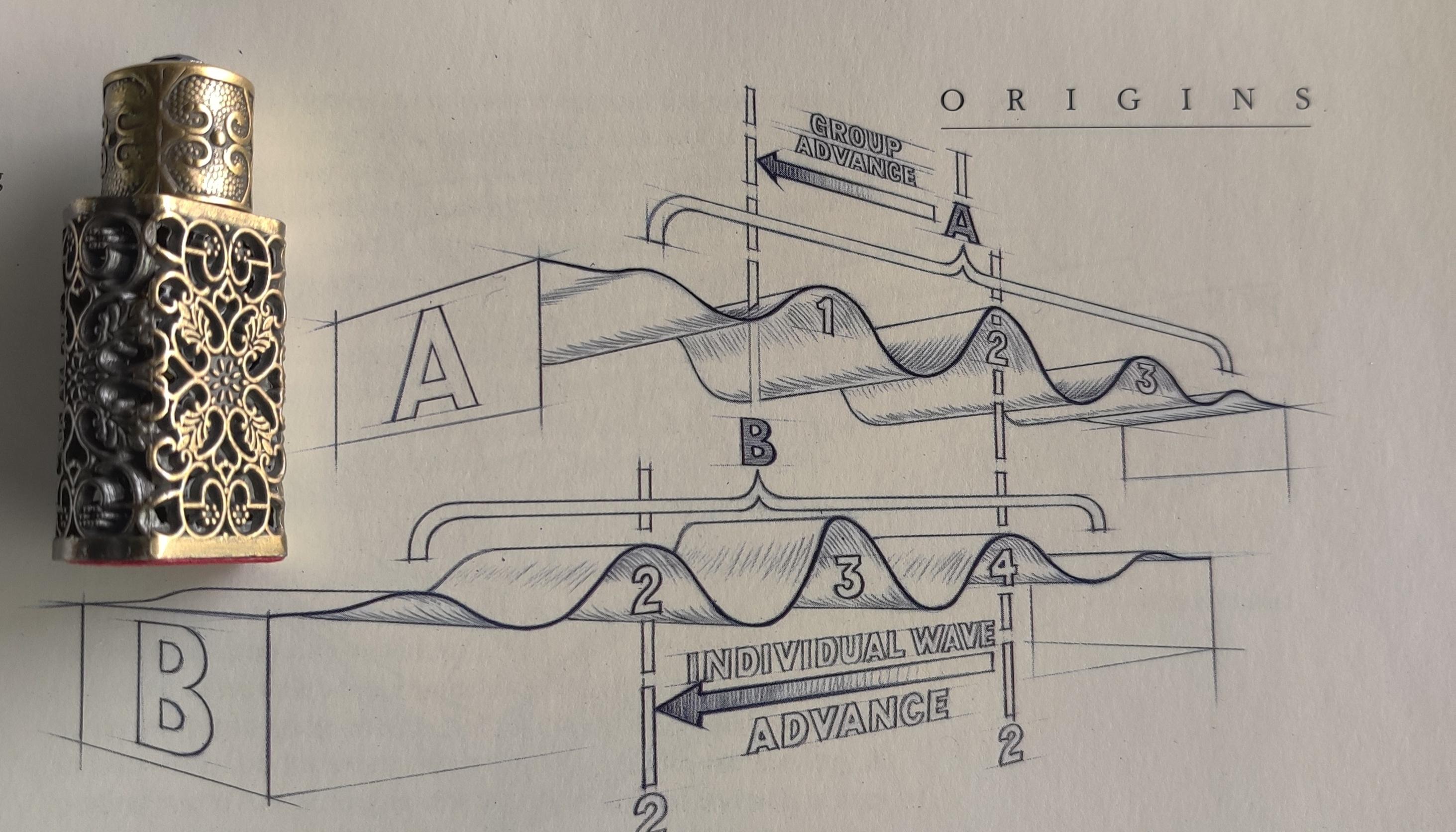
"Waves: pulses of energy, echoes of power, children of the struggle between ocean and atmosphere, endless song of circulation. Vibrations put into motion by the harmonic resonance, the insistent music of the spheres, ocean waves are the ongoing signatures of infinity, eternity and the miraculous. They are the gifts of the invisible to the visible (energy into air into liquid), the voices of intelligent silence, the incarnation of the molecular soul in corporeal reality. "
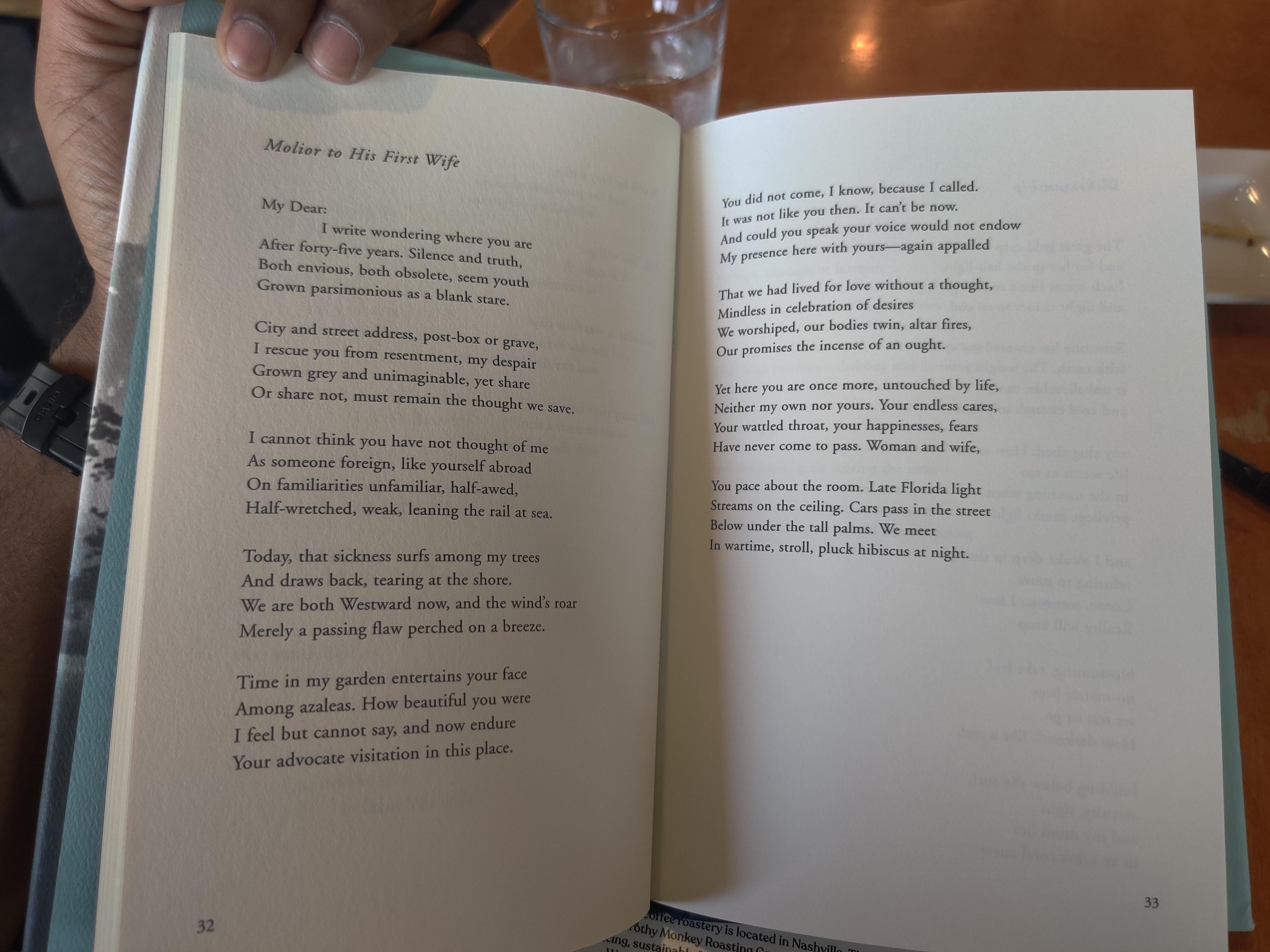

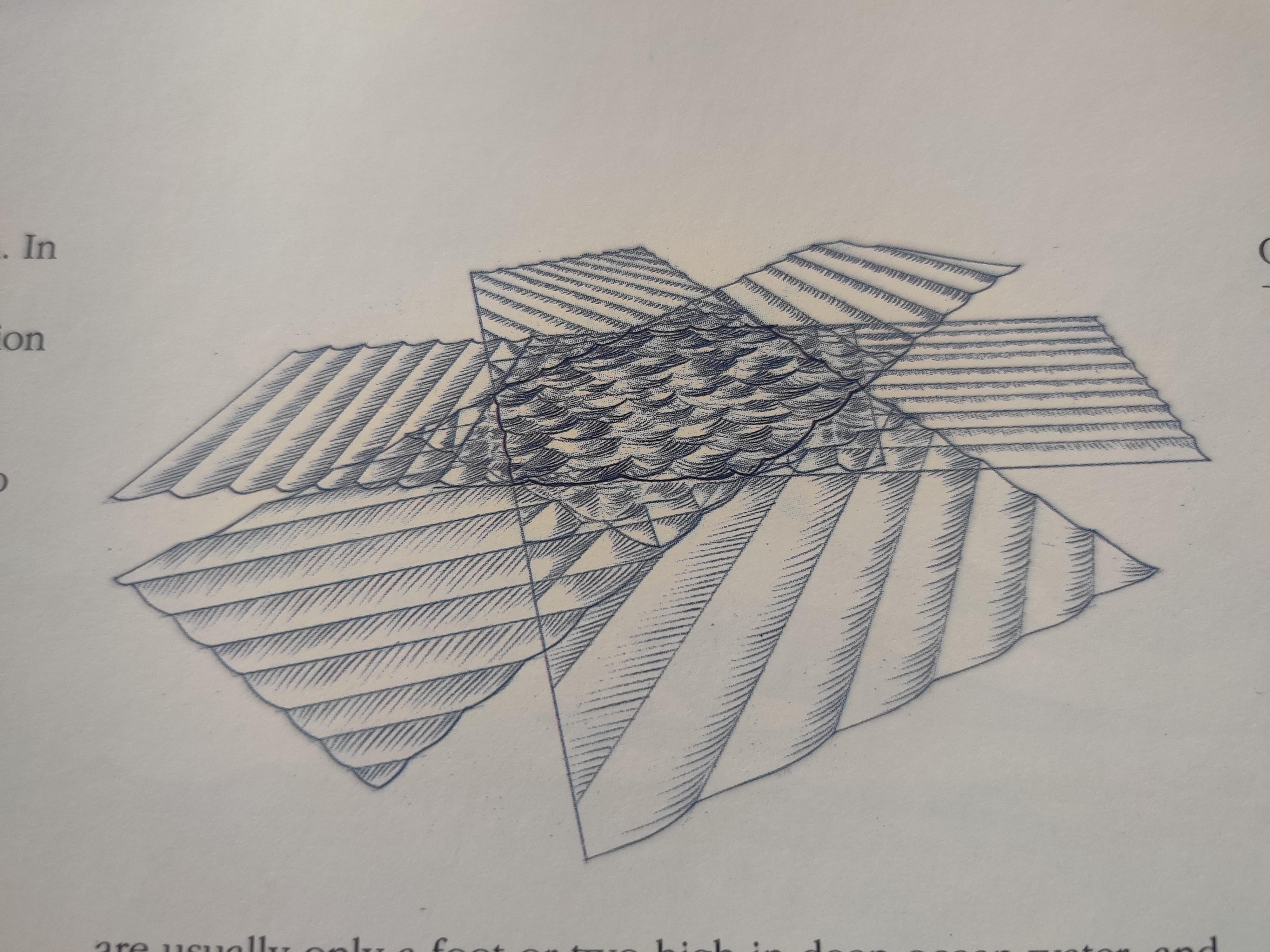

im free
fishalien.com
the future is now. in progress...
"If the doors of perception were cleansed everything would appear to man as it is: Infinate."
William Blake
"Our modern owned world is going deaf from listening to its own answers"
Motion is beyond control.
Clarity is in the ability to no longer seek the meaning in chaos.
Emergence requires no effort.
Guidance. To where or to what? It swirls in the currents of time.
Love is not for Profit: Love (and by extension, finding a spouse) is not something sought "with a view to a profit, or advancement, or celebrity". It is an affection for the beautiful object, heedless of all other considerations. Waiting until you are "fully together" because you fear you are currently inadequate mirrors the transactional error of seeking partnership for its "usefulness" or "gain". True partnership is sought for its own sake
-Action Over Waiting: The philosophy dictates that you must "live for the other person if you wish to live for yourself" The self-contented wise man "still desires a friend" if only "for the purpose of practising friendship" Waiting until you are perfectly ready means you are forgoing the practice and denying yourself the growth that comes from genuine human connection.
Defining Reality with Limits: To find what is "realistic," you must look at things simply and straightforwardly, as they truly are-neither good nor bad. Seneca provides a definition for adequate wealth as "having what is essential, and second, having what is enough". Similarly, natural desires are limited, while those springing from "false opinions" are limitless. What is realistic, therefore, is what nature demands.
Transcending Paradigms (Finding Leverage): The highest leverage point for change is to keep oneself unattached in the arena of paradigms, to stay flexible, to realize that no paradigm is "true," and to let go into "not-knowing".if you adopt the paradigm that "nothing is an external necessity, you are free to define your own path. Finding "realistic" starts here: by removing the crippling judgments applied to your situation.
Buddy please
Real

We so back
“If you want to learn about the pine, then go to the pine, if you
want to learn about the bamboo, then go to the bamboo. When you
have become one with them, then your poetry will come by itself.” - Basho
"the scope of expression is so vast that no tangible barriers define the perimeters of what art is and what is just living. It has been suggested that everything we do, every gesture and every movement is in fact art, as it is the way we are expressing ourselves in the face of the environment with which we interact. " - Juniper
"If the archer and the bow are in harmony and the ego takes no
part in the activity, then the shot will be made in the right spirit and
that is all that matters." - Juniper
" The real beauty that we can
enjoy in true and pure aesthetics is neither beautiful nor ugly, it is the
magical state that happens before any of the concepts have found
voice in the intellect."
"Perhaps the emotions aroused by
wabi sabi expressions are reactions to the chords resonating deep
within our souls, a resonance of the freedom of early childhood and
the call of the eternity surrounding us.
"within
any design the eye is naturally drawn to a feeling of sincerity."
"evokes feelings of an intangible yearn-
ing"
"The "aesthetic aura" or "metaphysical frame of mind" that connects Florida's eras is Liminality—the state of existing on a threshold."
Identity does not require permanence of objects.
It requires permanence of orientation.
"artifact-based identity (styles, buildings, aesthetics), but they can sustain process-based identity."
to be present in impermanence... liminality as condition
Presence as remaining with what is already vanishing
"What it means to remain present
when presence itself has no stable ground."
"Safron argues that "embodied self-models" form the core of the self. These are action-oriented body maps that provide a scaffolding for all higher mental processes. To maintain the integrity of the lowest layer, the high-level narrative self must remain grounded in these somatic (body-based) maps. The "feeling of willing" is actually a synesthetic percept where interoceptive (internal body) states are mapped onto effector systems"
Varela’s Paradox